The NBA's regular season has become a laboratory for offensive experimentation — pace-and-space taken to its logical extreme, with teams routinely clearing 120 points in losses that feel like scrimmages. The playoffs, as they do every spring, have delivered a corrective.
Through the conference finals, the 2026 postseason has been defined by a return to defensive intensity and, perhaps more surprisingly, a dramatic shift in how teams are generating and converting their looks. The freewheeling transition threes that pad regular-season statistics have given way to something more deliberate: half-court execution, selective shot selection, and an almost retro emphasis on getting to the line.
The three-point paradox
Teams are shooting fewer threes per game in these playoffs than at any point since 2019, yet they're making them at a higher clip. The explanation is straightforward: playoff defenses are taking away the easy ones. The corner threes off drive-and-kick actions, the pull-up transition bombs — these are being schemed out by coaching staffs with weeks to prepare. What remains are the shots that teams actually want: open looks generated through patient ball movement, or the conscience-free releases from elite shooters who've earned the right to fire regardless of contest.
The result is a more watchable product for those who found the regular season's volume shooting tedious. Every three feels consequential rather than routine.
Free throws as competitive advantage
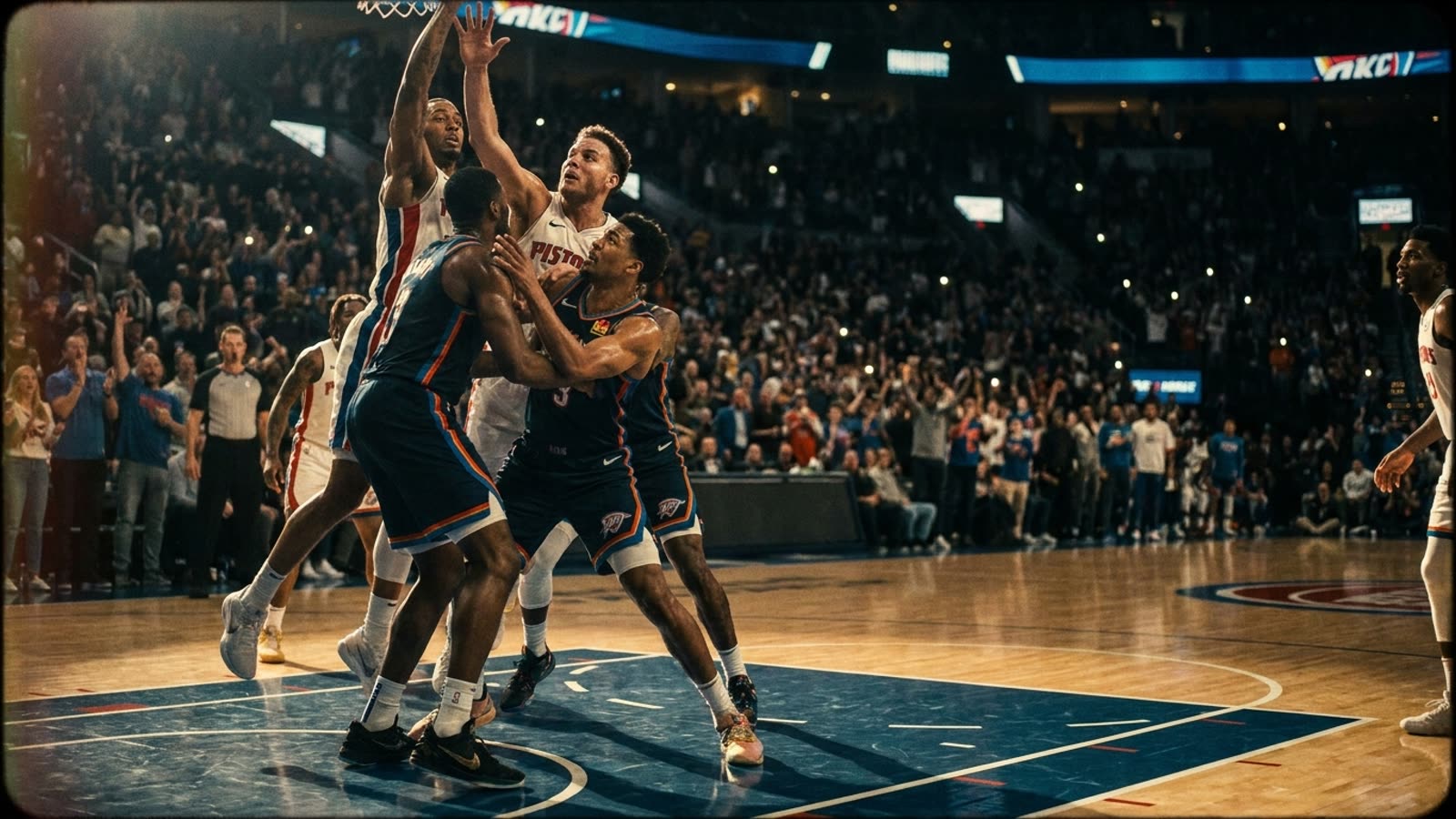
The teams advancing have one thing in common: they're getting to the stripe and converting once there. It sounds elementary, almost insultingly so, but the gap between the conference finalists and the teams they eliminated is stark. Attacking the rim, drawing contact, and calmly sinking free throws in hostile buildings has proven more valuable than any schematic innovation.
This isn't accidental. The surviving teams built their rosters around players who can create their own shot in the paint — a skill set that went somewhat undervalued during the three-point revolution's peak years. Now those investments are paying dividends in games where every possession matters and defenses are locked in.
Our take
The NBA's playoff product remains meaningfully different from its regular season, and that's a feature, not a bug. The league's 82-game schedule rewards experimentation and load management; the postseason rewards execution and toughness. What we're watching in 2026 isn't a rejection of modern basketball — it's a reminder that the sport's fundamentals reassert themselves when the stakes rise. The teams still playing understand that playoff basketball isn't about having the most threes; it's about having the right ones.