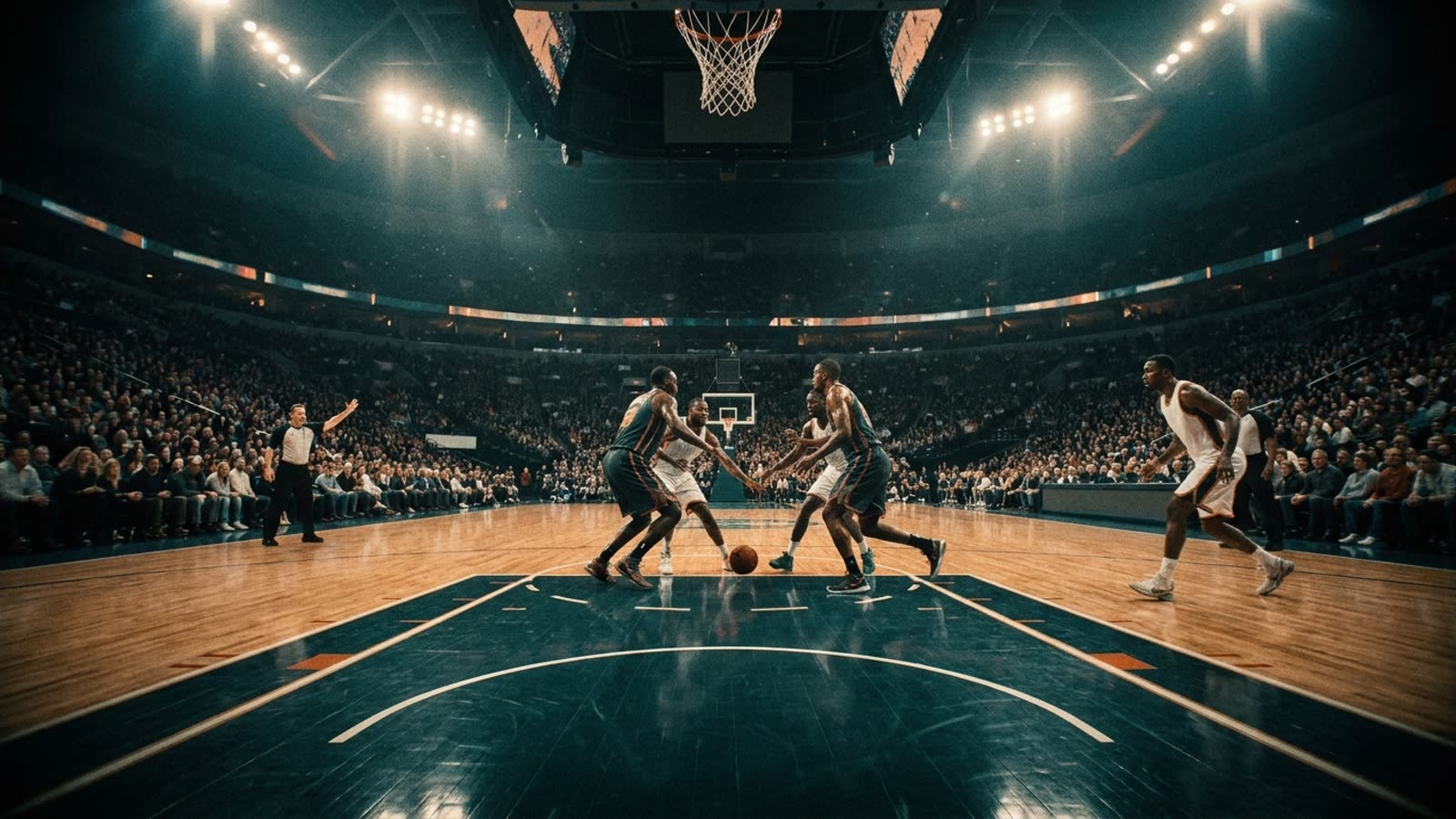
The NBA offseason is professional sports' longest job interview, conducted in public, with billions of dollars at stake and approximately thirty different definitions of success. Every general manager believes they have cracked the code. History suggests roughly three of them are correct.
This summer's market opened with the usual flurry of activity: max extensions for stars who may or may not deserve them, mid-level exceptions deployed like lottery tickets, and at least one trade that will look catastrophic within eighteen months. The league's competitive landscape, already tilted toward a handful of genuine contenders, now enters a phase where the decisions made in air-conditioned conference rooms will matter more than anything that happens on hardwood until next spring.
The contender's dilemma
Teams with championship aspirations face a peculiar challenge: how to improve a roster that is already good without mortgaging the future or disrupting chemistry. The temptation to swing for a third star is almost irresistible, yet the graveyard of failed superteams suggests caution. The most successful franchises tend to add around the margins — a defensive specialist here, a floor-spacing veteran there — rather than blowing up what works in pursuit of what might.
The luxury tax looms over every conversation. Ownership groups that once wrote checks without flinching are now asking pointed questions about return on investment. The new collective bargaining agreement's punitive second-apron penalties have fundamentally altered the calculus, forcing even the wealthiest franchises to think twice before adding salary.
The middle-class trap
Perhaps no position in professional sports is more perilous than the NBA's competitive middle: too good to tank, too flawed to contend, too expensive to rebuild quickly. These franchises face a summer of difficult choices. Do you trade your best player and accept several years of irrelevance? Do you run it back and hope for injury luck? Do you make a lateral move that changes nothing but satisfies the fanbase's demand for action?
The smart money says most will choose the path of least resistance, making incremental changes that preserve jobs without altering trajectories. The brave few who commit fully to one direction — genuine contention or genuine rebuild — will be rewarded. The rest will find themselves having this same conversation next June.
Our take
The NBA offseason rewards patience and punishes panic, yet panic remains the default setting for most front offices. The teams that will emerge stronger from this summer are those willing to resist the gravitational pull of doing something simply because something must be done. In a league where championship windows open and close with alarming speed, the greatest skill may be knowing when to act and when to wait. Most will guess wrong.