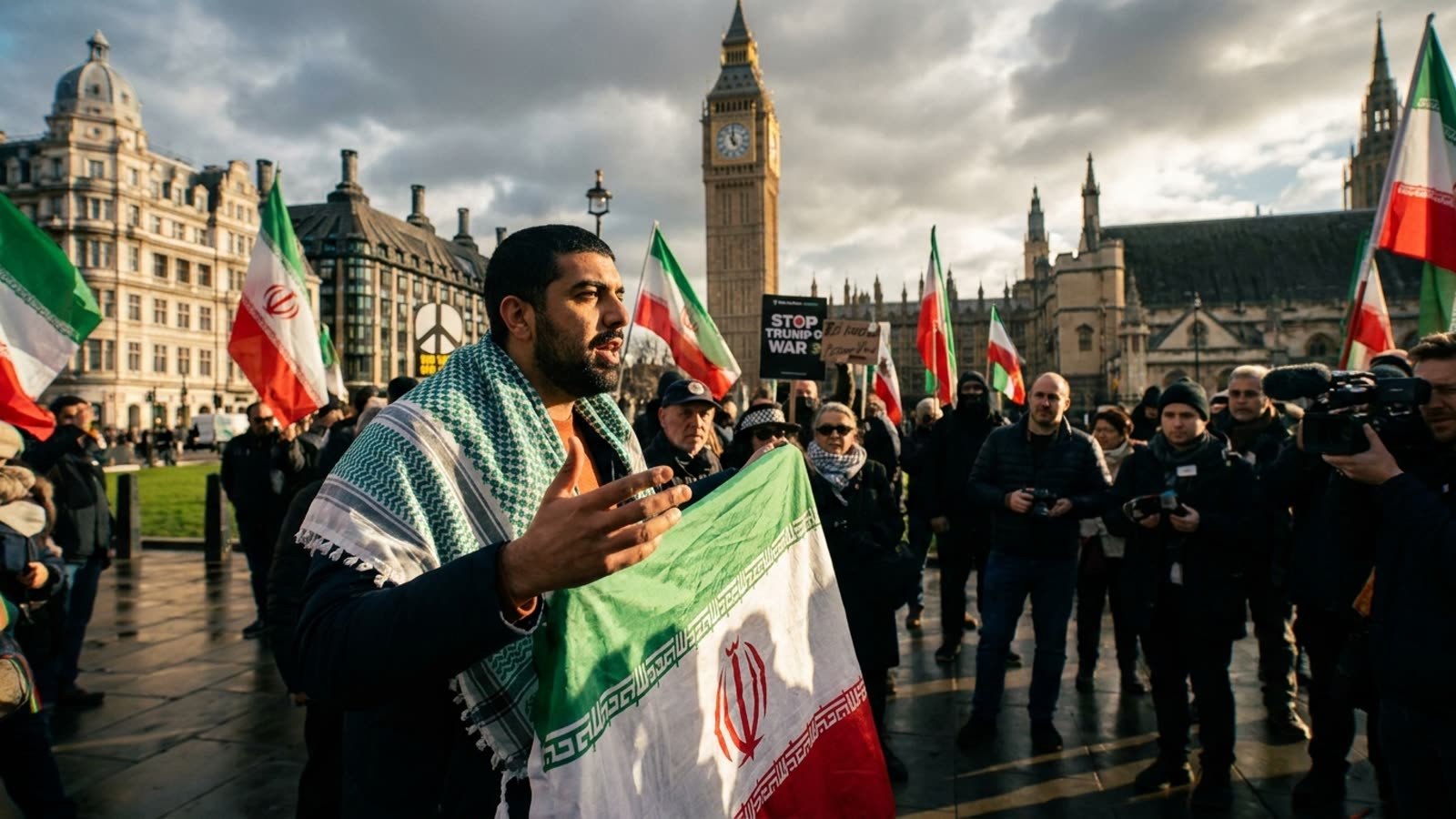
When Mothin Ali stood before cameras after being elected deputy leader of the Green Party of England and Wales in 2024, shouting "Allahu Akbar" in celebration, he could not have anticipated that the clip would become ammunition in a disinformation campaign accusing him of inciting the summer riots that convulsed Britain weeks later. This week, Ali received damages and apologies from a television presenter and a social media commentator who falsely claimed he had played a role in the disorder — a small but significant victory in the grinding war against political misinformation.
The case matters less for its legal mechanics than for what it reveals about the information ecosystem that now shapes British political life. A contextless video clip, an inflammatory interpretation, a few influential amplifiers, and suddenly a sitting councillor is being accused of fomenting violence he had nothing to do with.
The anatomy of a smear
The 2024 summer riots, triggered by misinformation about the Southport stabbings, saw far-right mobs attack mosques, asylum seeker accommodations, and minority communities across England. In the fevered atmosphere, Ali's election-night video — a spontaneous expression of faith and joy — was repackaged as evidence of Muslim triumphalism or worse. The claims spread from anonymous accounts to verified commentators to broadcast television with the frictionless ease that defines modern media.
Ali, a Leeds councillor who has spoken openly about receiving death threats, pursued legal action not primarily for compensation but for correction. The apologies he secured acknowledge what should have been obvious: celebrating an election victory is not inciting a riot.
The limits of legal remedy
Defamation law offers vindication but not prevention. By the time Ali's lawyers had extracted apologies, the false claims had already done their work — shaping perceptions, hardening prejudices, potentially endangering his safety. The settlement comes nearly two years after the original smears, an eternity in the attention economy.
Britain's libel laws remain among the most plaintiff-friendly in the democratic world, yet they function as a remedy of last resort, available mainly to those with resources and resolve. Most targets of political disinformation lack both. The structural problem — that lies travel faster than corrections and platforms profit from engagement regardless of accuracy — remains untouched.
Our take
Ali's victory is worth noting precisely because it is so rare. The incentive structure of modern media rewards speed over accuracy and outrage over nuance. A Muslim politician celebrating in Arabic was always going to be misread by those determined to misread him. That he fought back and won is admirable; that he had to fight at all is the indictment. Britain's post-riot reckoning with online harms has produced much hand-wringing and little reform. Until the cost of spreading lies exceeds the benefit, cases like Ali's will remain exceptions that prove a dispiriting rule.