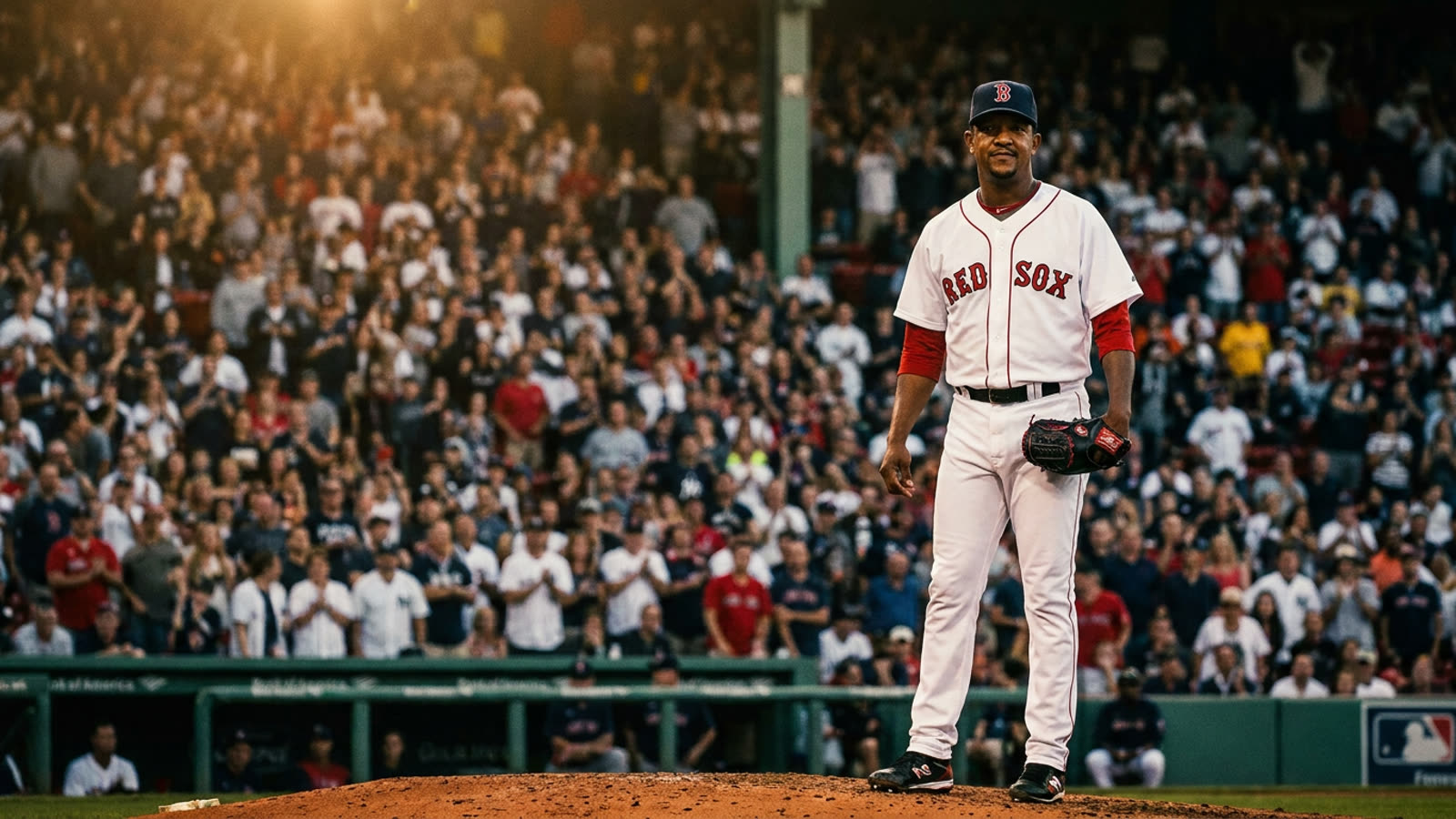
The batting averages read like typos: .143, .170, .194. Yet the players posting these numbers aren't languishing in the minors or riding the bench. They're starting every day, their names penciled into lineups across Major League Baseball as if the numbers on the back of their baseball cards weren't an embarrassment.
This isn't a bug in baseball's system. It's a feature — one that reveals how dramatically the sport's calculus around playing time has shifted, and how little traditional hitting metrics now matter when weighed against defensive value, contractual obligations, and the brutal math of replacement-level alternatives.
The defense-first bargain
The players surviving sub-.200 averages share a common trait: they do something else exceptionally well. Elite glove work at premium positions — shortstop, center field, catcher — buys an astonishing amount of offensive rope. A shortstop who saves fifteen runs defensively can hit like a pitcher and still provide positive value. Managers know this. So do front offices, which is why these struggling hitters aren't getting designated for assignment.
The calculation becomes even starker when you examine the alternatives. Minor league depth charts are thin. The replacement-level hitter available on waivers might improve the batting average by thirty points while costing twice as many runs in the field. Teams have done the math. The math says keep running out the .170 hitter.
The contract albatross factor
Some of these lineup spots aren't about optimization at all — they're about sunk costs that front offices refuse to acknowledge publicly. A player making substantial guaranteed money will get every opportunity to find his swing, even if that opportunity comes at the expense of wins in May and June. Benching a highly-paid veteran means admitting a mistake. Baseball executives, like executives everywhere, prefer to delay that admission as long as possible.
The result is a strange form of job security that exists nowhere else in professional sports. An NFL running back averaging two yards per carry gets benched by Week 4. An NBA guard shooting twenty-eight percent from three loses his rotation spot. But a baseball player can fail at his primary job — hitting — for months and retain his starting role through some combination of defensive value, contractual protection, and managerial faith.
When does the leash end?
History suggests these situations resolve themselves by the trade deadline. Either the hitter finds his stroke, or the team falls out of contention and the calculus changes. A rebuilding club has no reason to keep running out a veteran hitting .160 when a prospect needs at-bats. Contenders, meanwhile, will eventually prioritize winning over roster politics.
But we're not there yet. We're in the strange middle period where hope springs eternal and sample sizes remain small enough to dismiss. Every hitless night gets chalked up to bad luck, mechanical adjustments, or the eternal baseball excuse: it's a long season.
Our take
Baseball's tolerance for offensive futility isn't irrational — it's a rational response to a sport where value is distributed unevenly across skills and where the alternative to a struggling starter is often worse. But it does create a peculiar spectacle: millionaire athletes failing publicly, repeatedly, while keeping their jobs through a combination of defensive wizardry and organizational inertia. The .143 hitter isn't a mystery. He's a market inefficiency that baseball has decided to live with, at least until July.