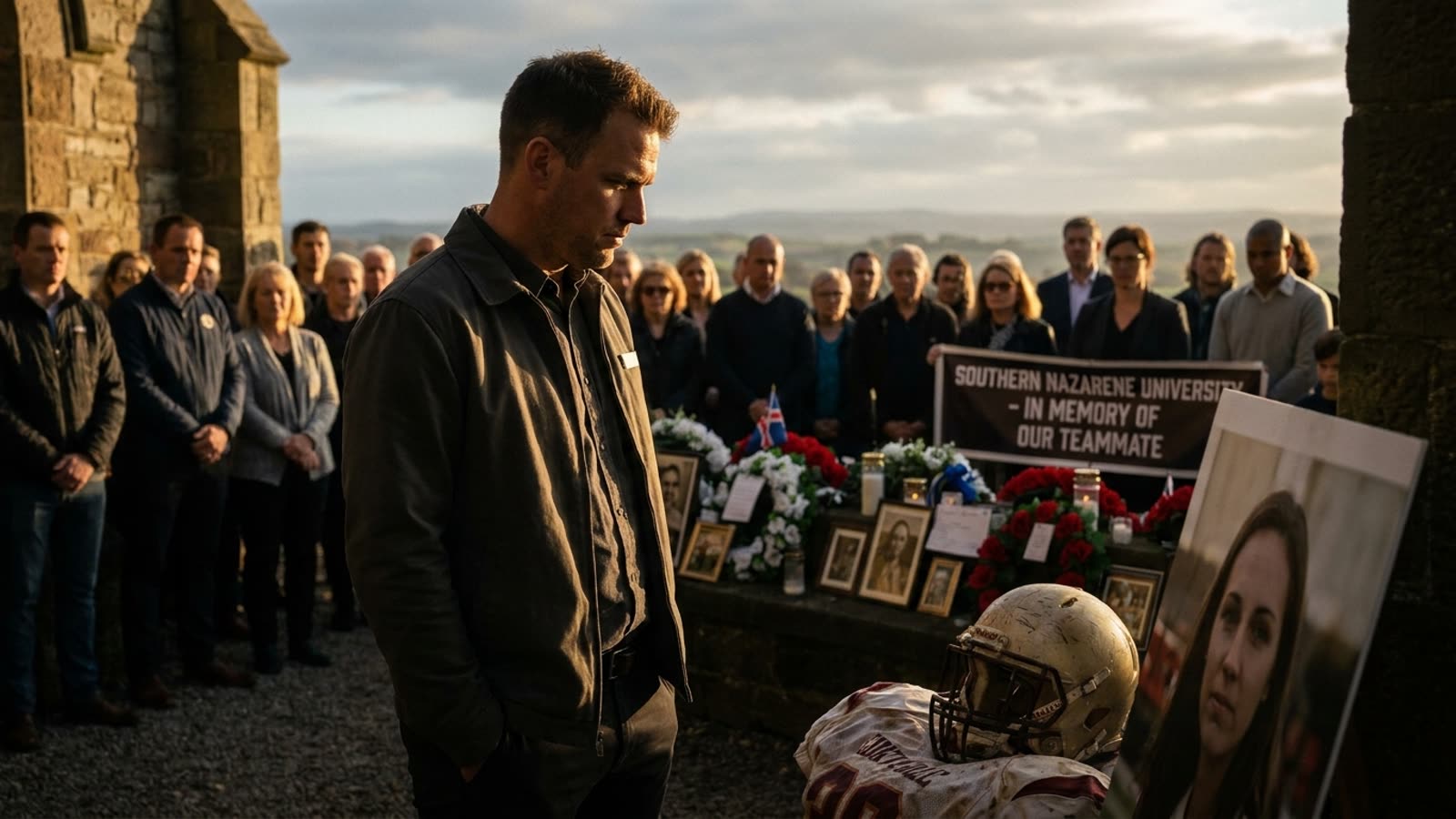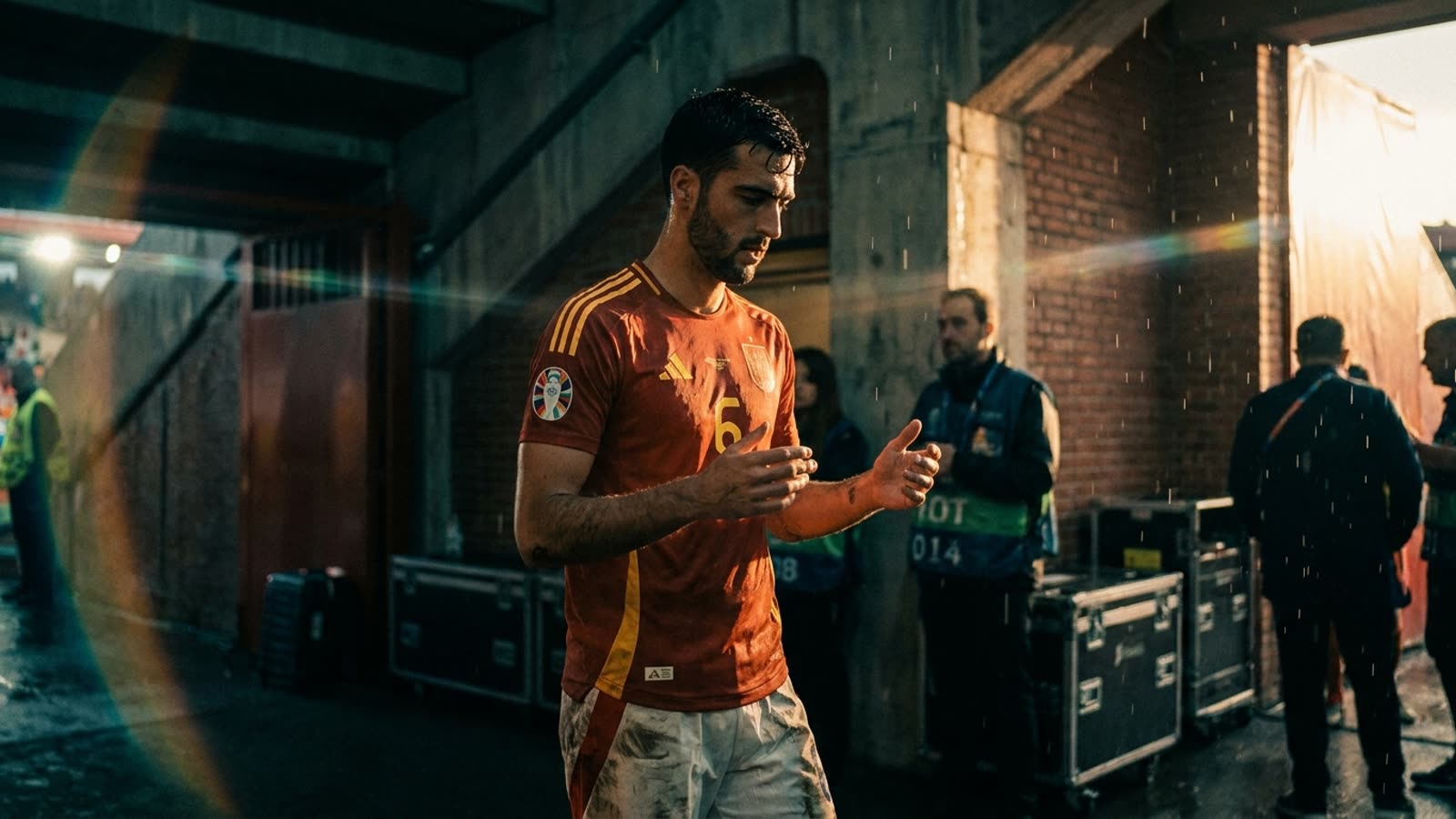
Most footballers, when they speak of defining moments, reach for goals or trophies. Mikel Merino reaches for the evening of April 11, 2017, when three pipe bombs detonated beside Borussia Dortmund's team bus as it left the L'Aroma hotel for a Champions League quarterfinal against Monaco. He was twenty years old, on loan from Newcastle, sitting in a vehicle that became a crime scene. "I'm fortunate to be alive," the Spain international said this week, with the matter-of-fact delivery of someone who has processed the statement many times.
The attack injured defender Marc Bartra, shattered windows, and left psychological wounds that players described for years afterward. A German-Russian national was later convicted of detonating the explosives in a bizarre scheme to profit from a drop in Dortmund's share price. The match was postponed by a single day. Football, as it does, moved on. Merino, as he has, did not forget.
The long aftermath
What makes Merino's reflection notable is not its existence but its timing. Nine years removed from the incident, now established at Arsenal and a European Championship winner with Spain, he volunteers the memory unprompted. Trauma literature suggests this is healthy—integration rather than suppression—but it remains vanishingly rare in elite sport, where vulnerability is often treated as competitive disadvantage. Merino's willingness to revisit the attack publicly, while preparing for a Premier League fixture against Bournemouth, suggests a player who has genuinely metabolized the experience rather than compartmentalized it.
Football's selective memory
The Dortmund bus bombing occupies an uncomfortable place in the sport's institutional memory. It was neither a stadium disaster with mass casualties nor an act of terrorism with geopolitical reverberations that demanded sustained attention. It was, in the cold calculus of news cycles, a near-miss—dramatic enough to dominate headlines for seventy-two hours, insufficiently catastrophic to force structural reckoning. UEFA's response was to reschedule the match and express condolences. The broader conversation about player safety, transit security, and the psychological support available to athletes who experience violence never truly materialized.
Merino's continued testimony functions as a corrective. Every time he speaks about the attack, he implicitly argues that survival is not the same as resolution, that the absence of fatalities does not mean the absence of harm.
Our take
There is something quietly radical about a midfielder at one of England's biggest clubs using a pre-match press conference to discuss a nine-year-old trauma. Sport prefers its narratives tidy—adversity overcome, lessons learned, page turned. Merino refuses the tidy version. He is not performing recovery; he is describing coexistence with an event that will never fully recede. In an industry that treats athletes as content engines, his candor is a small act of reclamation. The Dortmund bus attack happened. It still matters. He is still here, and he wants you to understand what that actually means.