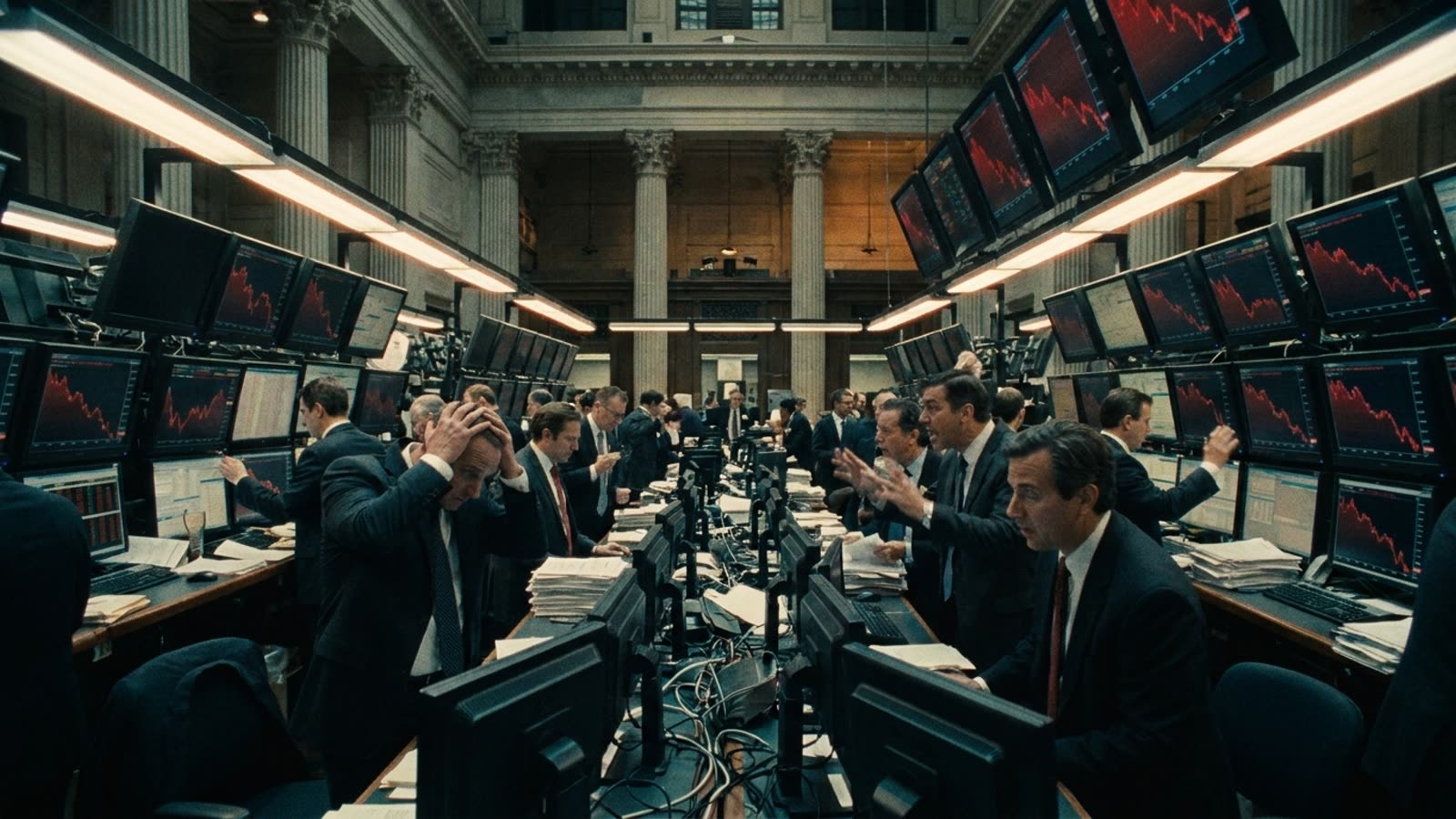
The inflation narrative that markets have been telling themselves—that price pressures were steadily, if slowly, retreating toward the Federal Reserve's 2% target—is about to collide with reality. Tomorrow's Consumer Price Index release for May is widely expected to show an acceleration in headline inflation, driven by energy costs that have surged amid Middle East tensions and shelter prices that remain stubbornly elevated. The soft landing thesis, already showing cracks, may be about to shatter.
Asset managers are sounding alarms. Major institutional investors have warned clients to brace for an "energy shock" scenario, noting that the combination of geopolitical risk in the Strait of Hormuz and OPEC+ production discipline has pushed crude prices back toward levels not seen since early 2024. Gasoline, which accounts for roughly 4% of the CPI basket but looms far larger in consumer psychology, has climbed for six consecutive weeks.
The shelter problem that won't quit
Economists have spent two years waiting for shelter inflation to normalize. The lag between real-time rent data and the CPI's methodology—which captures lease renewals rather than new listings—was supposed to deliver relief by now. It hasn't. Owner's equivalent rent, the largest single component of core CPI, continues to run above 5% year-over-year in most forecasts. The housing market's dysfunction, characterized by locked-in homeowners refusing to sell and surrender their sub-4% mortgages, has kept rental demand elevated in ways the models didn't anticipate.
This matters because the Fed has been explicit: shelter disinflation is central to their confidence in the path back to 2%. Without it, the "last mile" of the inflation fight becomes a marathon.
Markets are finally listening
The equity selloff that resumed today, with the S&P 500 and Nasdaq both declining as tech shares led losses, reflects a belated reckoning. Fed funds futures now price fewer than two cuts for the remainder of 2026, down from nearly four just six weeks ago. The two-year Treasury yield, the market's most direct expression of rate expectations, has climbed back above 4.5%.
What's notable is the speed of the sentiment shift. As recently as April, the consensus view held that the Fed would begin easing by summer, citing moderating wage growth and improving supply chains. That narrative required inflation to cooperate. It isn't cooperating.
Our take
The uncomfortable truth is that the American economy may be running hotter than policymakers want to admit. Employment remains robust, consumer spending resilient, and fiscal deficits expansive—none of which are consistent with rapid disinflation. Tomorrow's CPI print won't settle the debate, but it will likely confirm that the Fed's patience will be tested well into autumn. Investors who positioned for an imminent easing cycle are learning, once again, that fighting the last war is expensive.