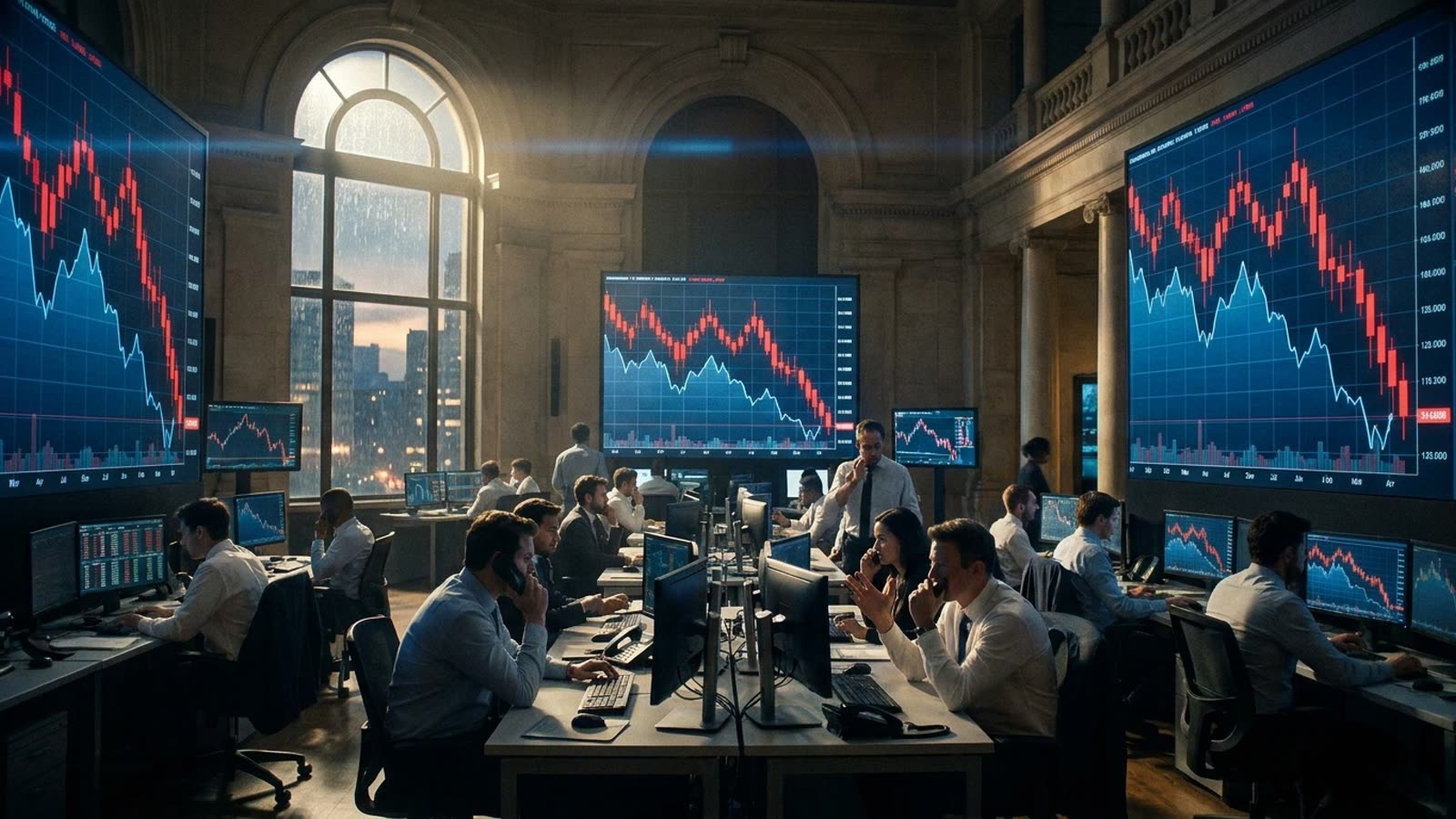
In the summer of 1720, shares in the South Sea Company reached prices that valued the enterprise at more than all the land in England. By December, the stock had collapsed by nearly ninety percent, ruining thousands of investors and triggering a political crisis that brought down a government. The episode is often treated as a quaint tale of Georgian folly, a cautionary fable about tulips and human gullibility. This framing misses the point. The South Sea Bubble was not an aberration but a template — one that subsequent generations have followed with remarkable fidelity.
The mechanics deserve more attention than the madness. The South Sea Company had been granted a monopoly on British trade with South America, a privilege that sounded lucrative but produced almost no actual commerce. What the company did possess was political connections and a scheme: it would assume a portion of the national debt in exchange for the right to issue new shares. The debt-for-equity swap was complex enough to seem sophisticated, and the company's directors talked up future profits with the confidence of founders pitching venture capitalists.
The architecture of a mania
What made the bubble possible was not stupidity but structure. The company offered shares on installment plans, allowing buyers to control stock with small down payments. This leverage amplified gains on the way up and devastation on the way down. Meanwhile, a constellation of smaller "bubble companies" emerged to ride the wave, some with business plans as vague as "carrying on an undertaking of great advantage, but nobody to know what it is." Parliament eventually passed the Bubble Act to suppress these imitators, but the legislation came too late and may have accelerated the crash by draining liquidity from the market.
The political dimension was inseparable from the financial one. Members of Parliament held South Sea stock; some had received shares as bribes. When the collapse came, the Chancellor of the Exchequer was sent to the Tower of London, and the Postmaster General died before he could face inquiry. The intertwining of public officials and private speculation was not incidental to the bubble — it was constitutive of it.
Why the pattern persists
Every subsequent mania has rhymed with 1720. The railway speculation of the 1840s, the roaring twenties, the dot-com frenzy, the housing bubble of the mid-2000s — each featured the same ingredients: a plausible technological or commercial premise stretched beyond recognition, leverage that magnified both enthusiasm and ruin, and regulatory frameworks that arrived too late or were captured by the interests they were meant to police. The specific assets change; the human dynamics do not.
This persistence is not evidence of collective amnesia. Markets do not forget bubbles; they discount the probability of being caught in one. Each generation of speculators believes it has learned from the last, that this time the fundamentals are real, that the fools are elsewhere. The South Sea directors were not unsophisticated; they were among the most connected financiers of their era. Isaac Newton, who lost a fortune in the crash, reportedly said he could calculate the motions of heavenly bodies but not the madness of people. Even geniuses are not immune when leverage and narrative align.
Our take
The South Sea Bubble endures as a reference point not because it was the largest crash or the most destructive but because it was the first to reveal the full anatomy of speculative excess in a modern financial system. The lesson is not that bubbles can be prevented — they probably cannot — but that their severity depends on leverage, on the entanglement of public and private interests, and on the willingness of participants to believe that complexity equals value. Three centuries on, these remain the variables worth watching.