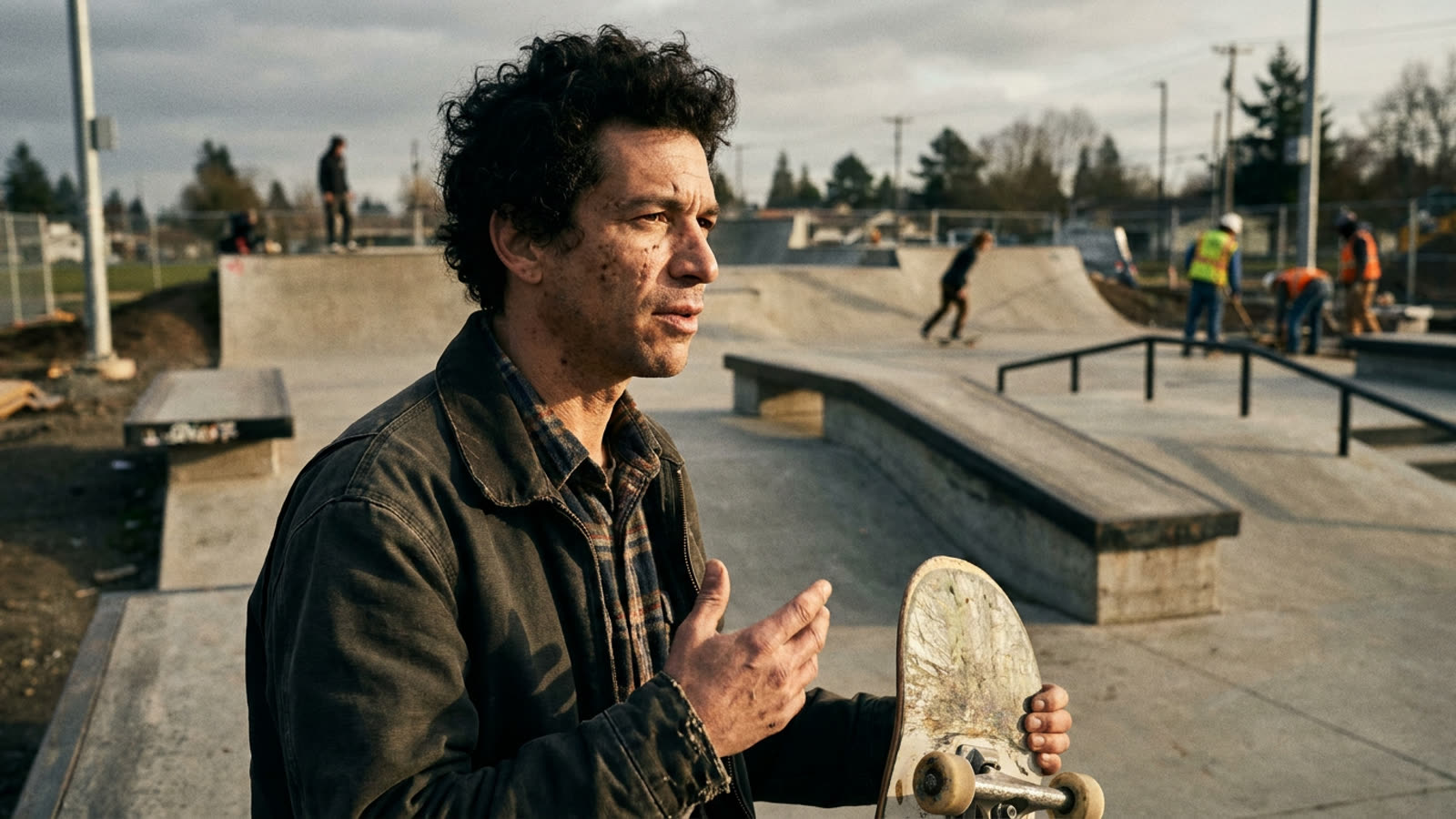
Marc Johnson was never the loudest name in skateboarding, but he might have been the most quietly influential. The professional skateboarder, who helped define the aesthetic and technical vocabulary of street skating through the late 1990s and 2000s, has died at 49. The cause of death has not been publicly disclosed.
Johnson's passing marks the loss of a figure who represented something increasingly rare in action sports: genuine artistic credibility without the performance of it. While contemporaries chased energy-drink sponsorships and reality television, Johnson remained focused on the craft itself, treating skateboarding as a medium rather than merely a career.
The anti-celebrity skater
In an era when skateboarding was becoming big business—culminating in its eventual Olympic debut—Johnson moved in the opposite direction. His video parts, particularly in landmark releases like Fully Flared (2007) and The Flare (2017), were studied by younger skaters not just for their technical difficulty but for their composition, timing, and the way they suggested skateboarding could be cinema.
His longtime association with Girl Skateboards and Lakai footwear placed him at the center of skating's most aesthetically minded companies. These weren't brands chasing mainstream crossover; they were operations run by skaters who cared about graphic design, film quality, and the cultural positioning of their sport. Johnson fit perfectly.
A different kind of influence
The tributes already circulating from professional skaters reveal something notable: Johnson was a skater's skater, respected most intensely by those who understood the difficulty of what he made look effortless. His style—smooth, deliberate, almost meditative—stood in contrast to the increasingly athletic direction the sport has taken since its professionalization.
He was also, by all accounts, thoughtful in ways that didn't always translate to the broader public. Interviews with Johnson often veered into discussions of philosophy, music, and visual art. He seemed genuinely uninterested in celebrity, which in 2026's attention economy reads as almost countercultural.
Our take
Marc Johnson's death at 49 is a reminder that skateboarding's golden era—the period when it was neither underground nor fully corporate—produced artists who never received their proper cultural due. He made a sport look like poetry and never seemed to care whether anyone outside the community noticed. That indifference to external validation was, in retrospect, the most valuable thing about him.