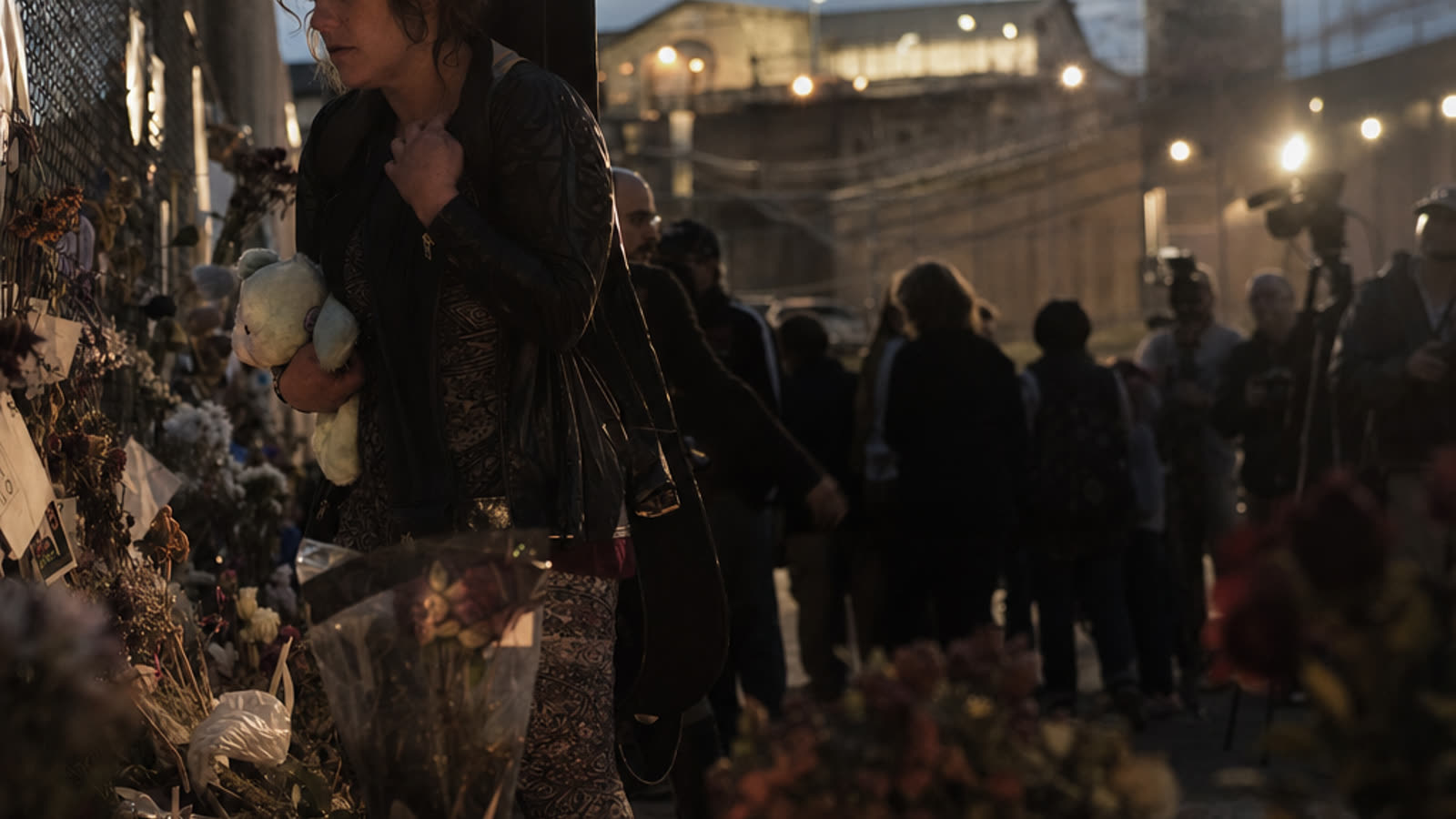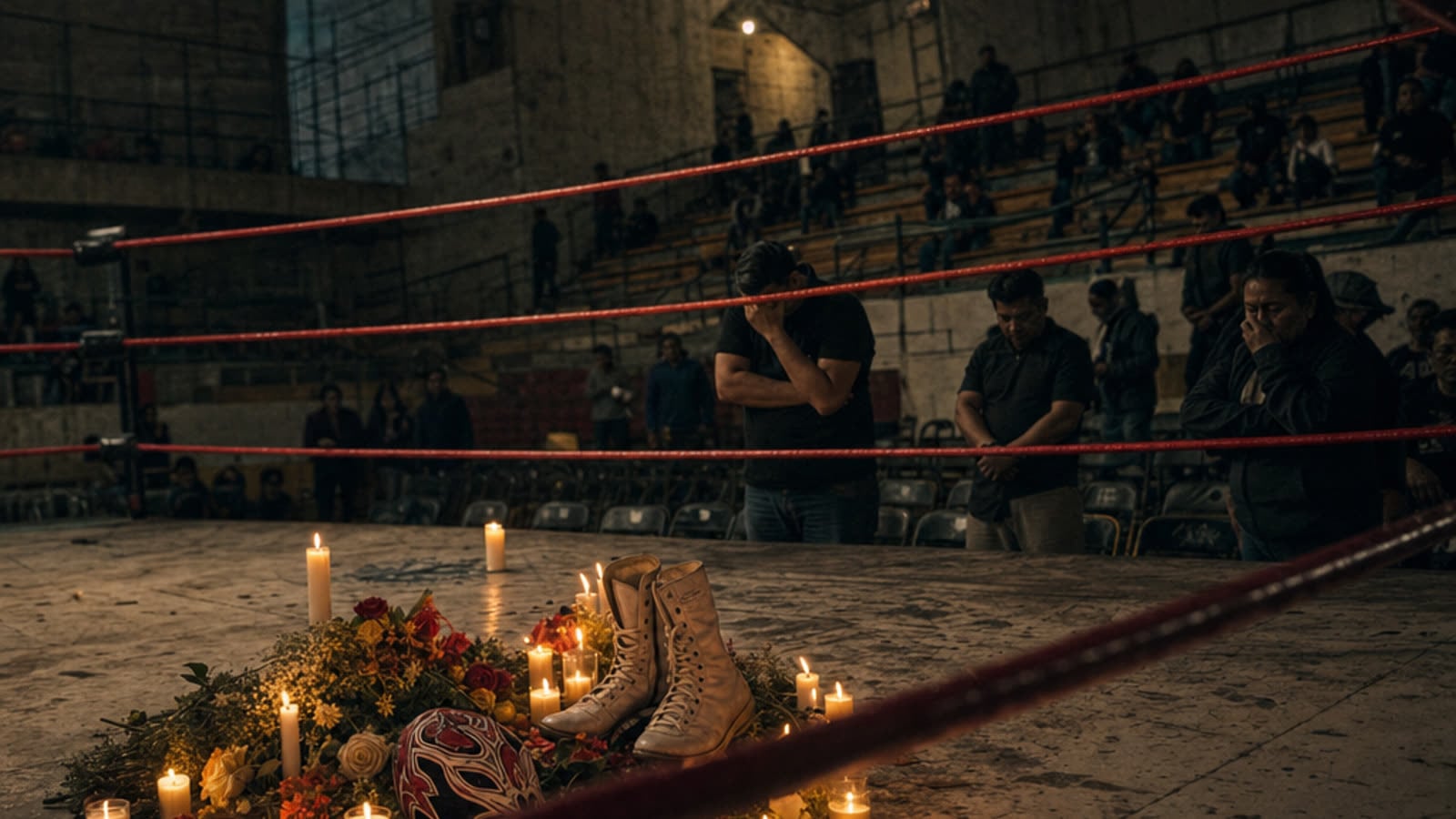
The death of a lucha libre wrestler during a live performance this week has reopened a wound that Mexico's beloved masked wrestling tradition prefers to keep bandaged beneath spandex and sequins.
Lucha libre occupies a peculiar space in Mexican culture—part athletic competition, part telenovela, part religious ritual. The masks aren't costumes; they're identities. Wrestlers have been buried in them. Families have passed them down through generations. When a luchador dies in the ring, it's not just a workplace fatality. It's a rupture in a mythology that millions of Mexicans grew up believing was, if not exactly real, then certainly protected by some unspoken covenant between performer and audience.
The Theater of Invincibility
Professional wrestling worldwide operates on a tacit agreement: the violence looks devastating but the performers go home. Lucha libre has always pushed this contract harder than its American or Japanese counterparts. The high-flying style—invented in Mexico and exported globally—demands more aerial risk. The pace is faster. The safety margins are thinner. And the economic realities of independent Mexican wrestling circuits mean medical personnel, when present at all, are often undertrained and underequipped.
The result is a sport that produces spectacular highlights and quiet tragedies in roughly equal measure. Deaths in the ring, while not common, are not unprecedented either. What's changed is the smartphone in every audience member's pocket, turning private horror into viral content within minutes.
A Business Model Built on Bodies
Mexico's wrestling ecosystem ranges from CMLL and AAA—major promotions with television deals and corporate sponsors—down to countless small-time operations running shows in municipal auditoriums and converted warehouses. The economics at the bottom are brutal. Wrestlers work for modest payouts, often without contracts, health insurance, or the leverage to refuse dangerous spots. The mask that grants mystique also grants anonymity, making it easier for promoters to treat performers as interchangeable.
Reform efforts have sputtered for decades. Calls for mandatory medical screenings, ringside physicians, and standardized safety protocols emerge after every tragedy, then fade as the next card gets booked and the turnstiles keep spinning.
Our take
Lucha libre's magic has always depended on a kind of collective suspension of disbelief—not about who wins, but about whether anyone truly gets hurt. That bargain feels increasingly untenable. Mexico doesn't need to sanitize its wrestling into something unrecognizable. But it does need to decide whether the spectacle is worth the occasional sacrifice, or whether the performers behind the masks deserve the same protections as any other worker whose job involves calculated physical risk. The masks can stay. The medieval labor practices shouldn't.