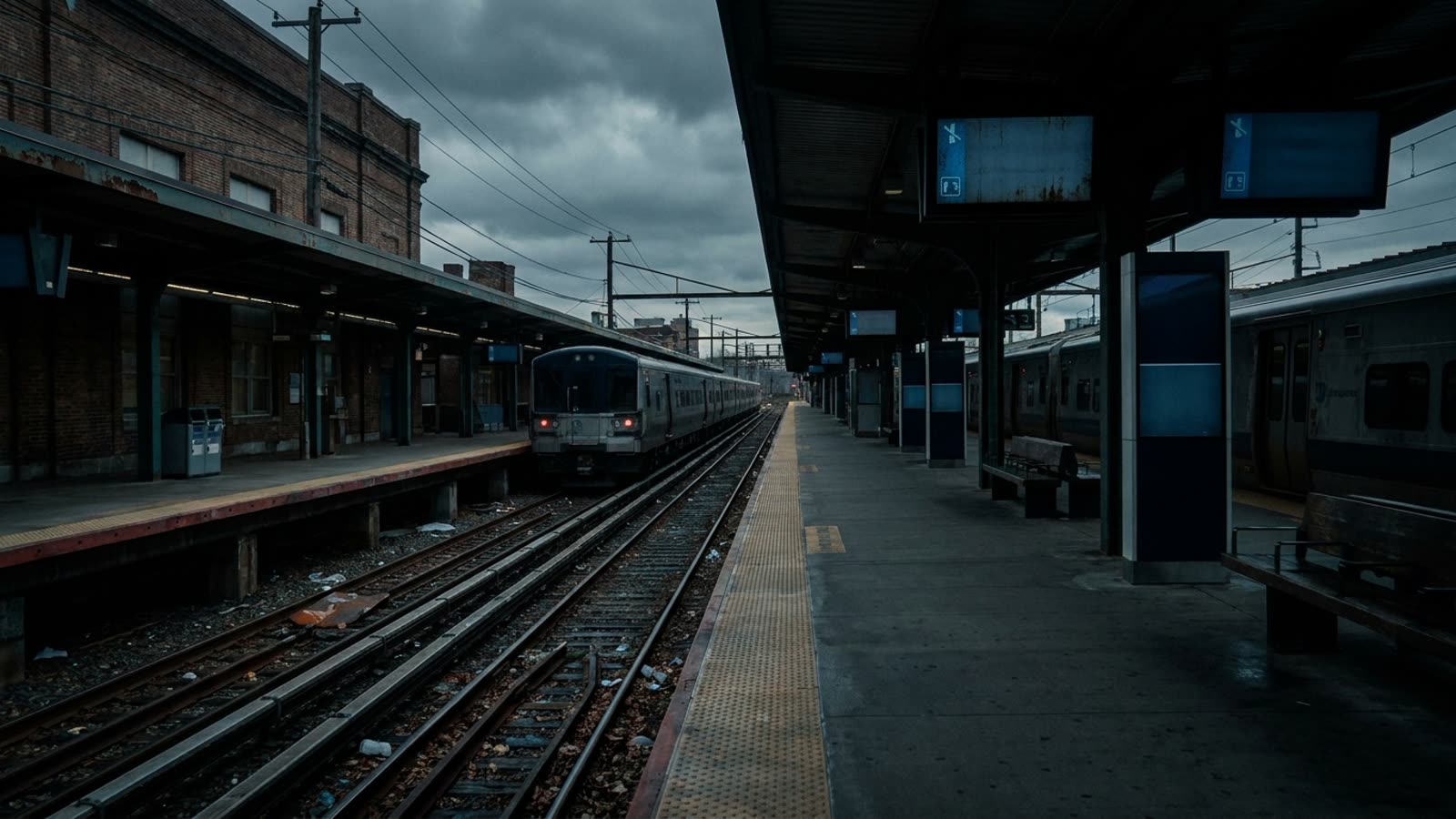
The Long Island Rail Road stopped running on Saturday morning, marking the first strike on the nation's busiest passenger rail service in more than three decades. For the 400,000 commuters who depend on the LIRR to reach Manhattan each day, the shutdown is an immediate crisis. For the rest of the country, it is a preview of what happens when aging infrastructure, labor tensions, and political paralysis collide.
The walkout comes after three years of contract negotiations that produced nothing but acrimony. Federal mediators intervened twice; both times, talks collapsed. A last-minute bargaining session on Friday night ended without agreement, and by dawn, picket lines had formed at Penn Station and Jamaica. The Metropolitan Transportation Authority, which operates the LIRR, called the strike "reckless." Union leaders countered that workers have been patient long enough.
The economics of paralysis
The LIRR is not merely a convenience; it is a load-bearing pillar of the New York metropolitan economy. Nassau and Suffolk counties together generate more than $200 billion in annual GDP, and a significant share of that economic activity depends on frictionless access to Manhattan's job market. Every day the strike continues, businesses on both ends of the line hemorrhage productivity. Hotels, restaurants, and parking garages near suburban stations will see a brief windfall; everyone else will absorb losses.
The timing is particularly brutal. May is conference season, graduation season, and the unofficial start of summer tourism. Employers who had finally coaxed workers back to the office now face a workforce that literally cannot get there. Remote work, once an emergency measure, will reassert itself as the default—potentially undoing months of return-to-office momentum.
Why federal intervention failed
Under the Railway Labor Act, the federal government has broad authority to delay or prevent strikes on railroads. The Biden and then the current administration both invoked that authority, buying time for negotiations. But buying time is not the same as solving problems. The core disputes—wages that have lagged inflation, health-care costs, and scheduling flexibility—remain unresolved. Federal mediators can bring parties to the table; they cannot force them to agree.
The LIRR's troubles also reflect a deeper structural issue: American transit agencies are caught between rising labor costs and political resistance to fare hikes or tax increases. The MTA's finances were already precarious before the pandemic; post-pandemic ridership recovery has been slower than projected. There is no easy money to give workers, and no political appetite to find it.
Our take
Strikes are blunt instruments, and this one will inflict real pain on people who had no seat at the bargaining table. But the workers are not wrong to feel aggrieved. Three years without a contract, in an era of persistent inflation, is a long time to wait. The MTA and state officials had ample warning that this day was coming; they chose to gamble that the unions would blink. Now everyone pays the price. If there is a lesson here, it is that infrastructure is not just steel and concrete—it is also the people who keep the trains running. Neglect either, and the system breaks.