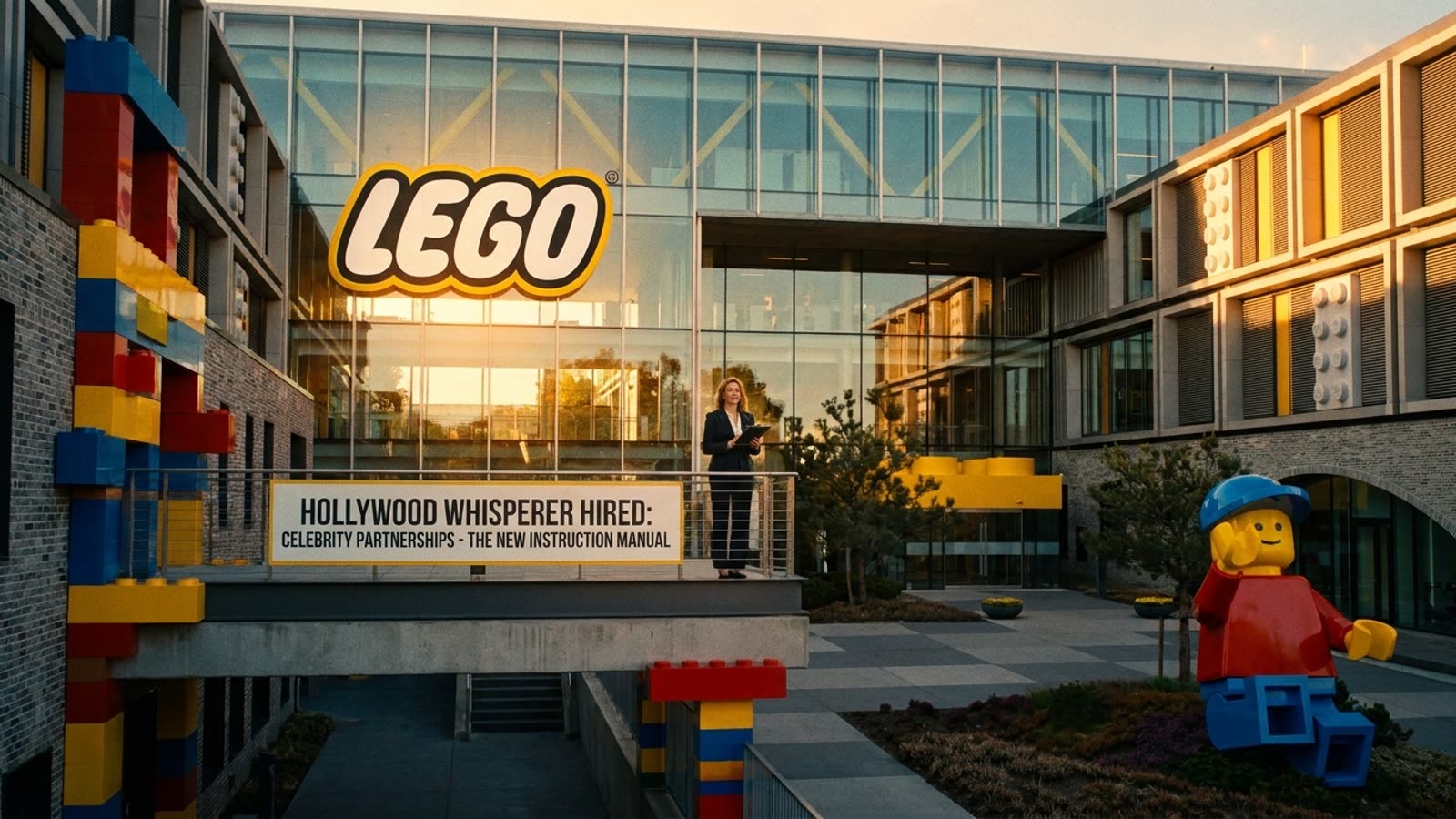
The Lego Group has done something it has never done in its 94-year history: it has created a role specifically designed to court famous people. Kelsey Gray Sherman, a veteran of WME's brand partnerships division, has been appointed the company's first head of celebrity talent and brand first partnerships, a title so unwieldy it practically clicks together like the product it represents.
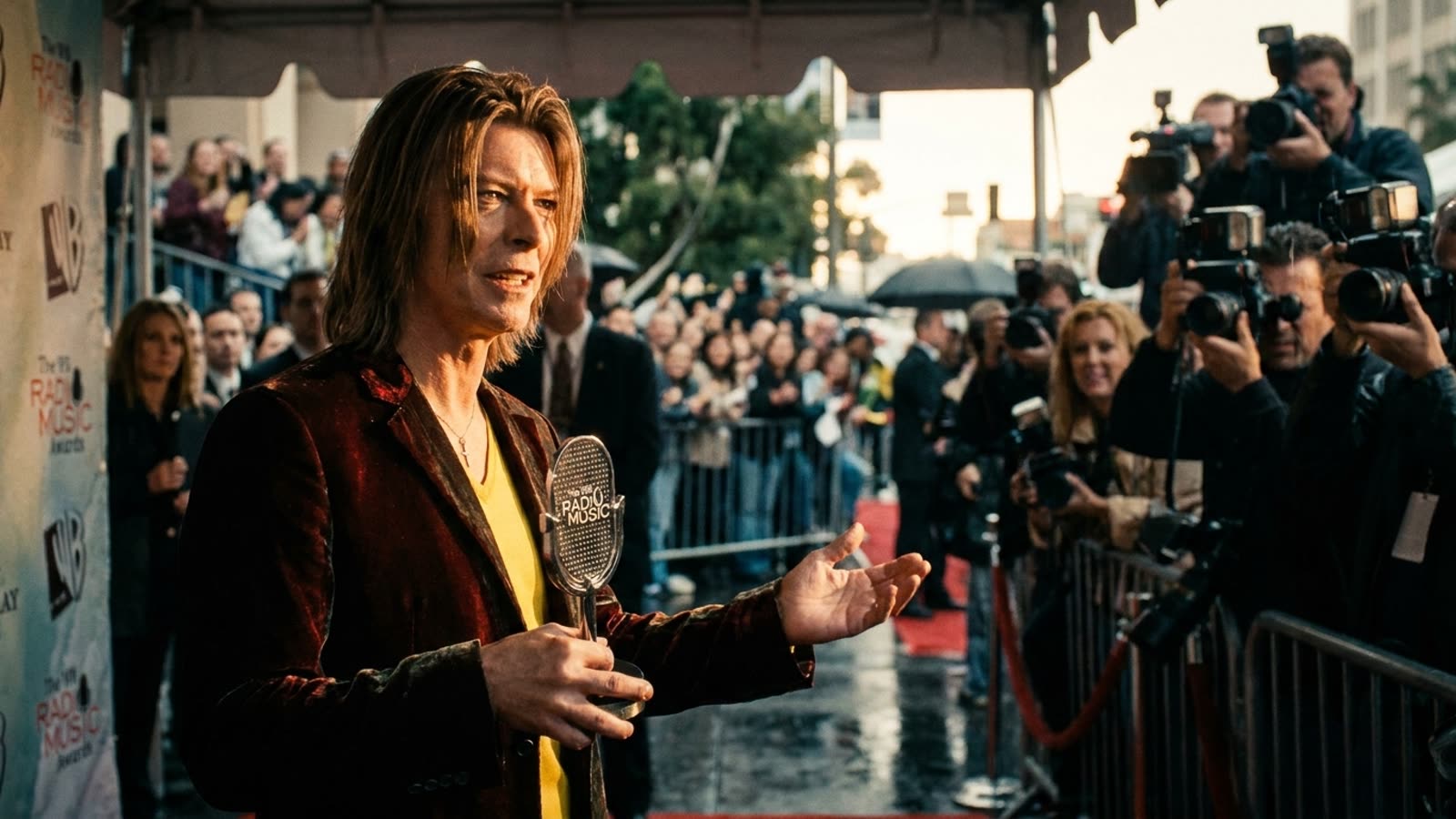
The hire is not merely an HR footnote. It represents a strategic pivot for a company that has long benefited from celebrity endorsement without having to pay for it. Ryan Gosling built Lego sets on talk shows. David Beckham credited the bricks with helping his mental health. Pharrell designed a documentary about himself using Lego animation. All of this happened organically, because famous people, like everyone else, apparently enjoy snapping small plastic pieces together while ignoring their phones.
The organic era is over
What Lego has recognized is that organic celebrity affection, while charming, is unreliable. The company now competes not just with other toys but with every form of entertainment vying for a child's attention—and, increasingly, an adult's. The Adult Fan of Lego (AFOL) market has become a genuine revenue driver, with sets priced at several hundred dollars targeting nostalgic millennials and stressed-out executives. Celebrity partnerships can accelerate that market, but they require professional cultivation.
Sherman's background is instructive. At WME, she specialized in connecting brands with talent in ways that felt less like sponsorship and more like collaboration. The distinction matters enormously in an era when audiences have developed finely tuned radar for inauthenticity. A celebrity holding a product is advertising; a celebrity designing a product is content.
The collaboration economy
Lego has already experimented with this model. Its partnerships with franchises like Star Wars, Harry Potter, and Botanical Collection have generated billions. But franchise licensing is transactional. What Sherman presumably brings is the ability to create bespoke relationships—imagine a Beyoncé-designed Lego set, or a Timothée Chalamet architecture series, or whatever Taylor Swift touches turning into a $400 collectible that sells out in eleven minutes.
The risk, of course, is that such partnerships dilute the brand's earnest, wholesome reputation. Lego has survived for nearly a century by being resolutely uncool in the best sense—a toy that promises nothing except the satisfaction of building something. Adding celebrity sheen could make it feel like every other lifestyle brand chasing influencer credibility.
Our take
Lego's decision to professionalize celebrity relationships is probably inevitable and possibly regrettable. The company has thrived precisely because it never needed a Hollywood whisperer—famous people came to it, not the other way around. But in a world where attention is the scarcest resource and every brand is competing for cultural relevance, even the most beloved toymaker must play the game. The question is whether Lego can engineer celebrity partnerships as elegantly as it engineers its bricks, or whether the whole thing will feel like following someone else's instructions.