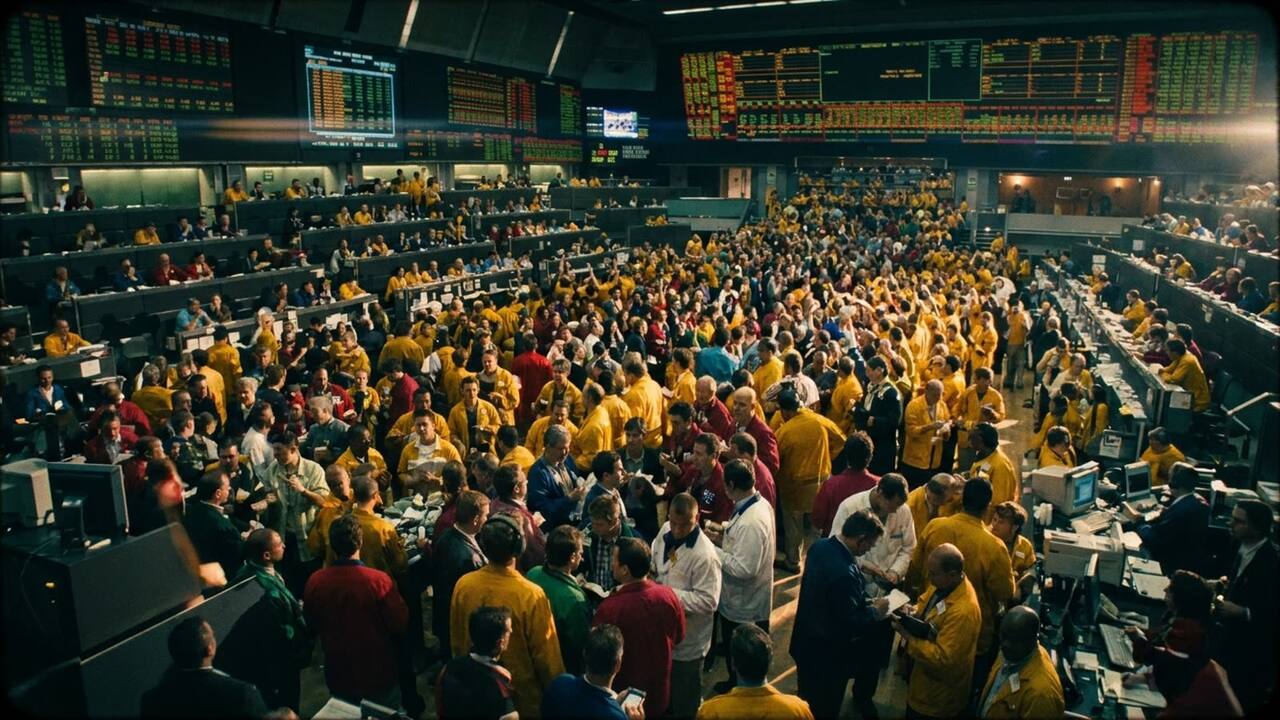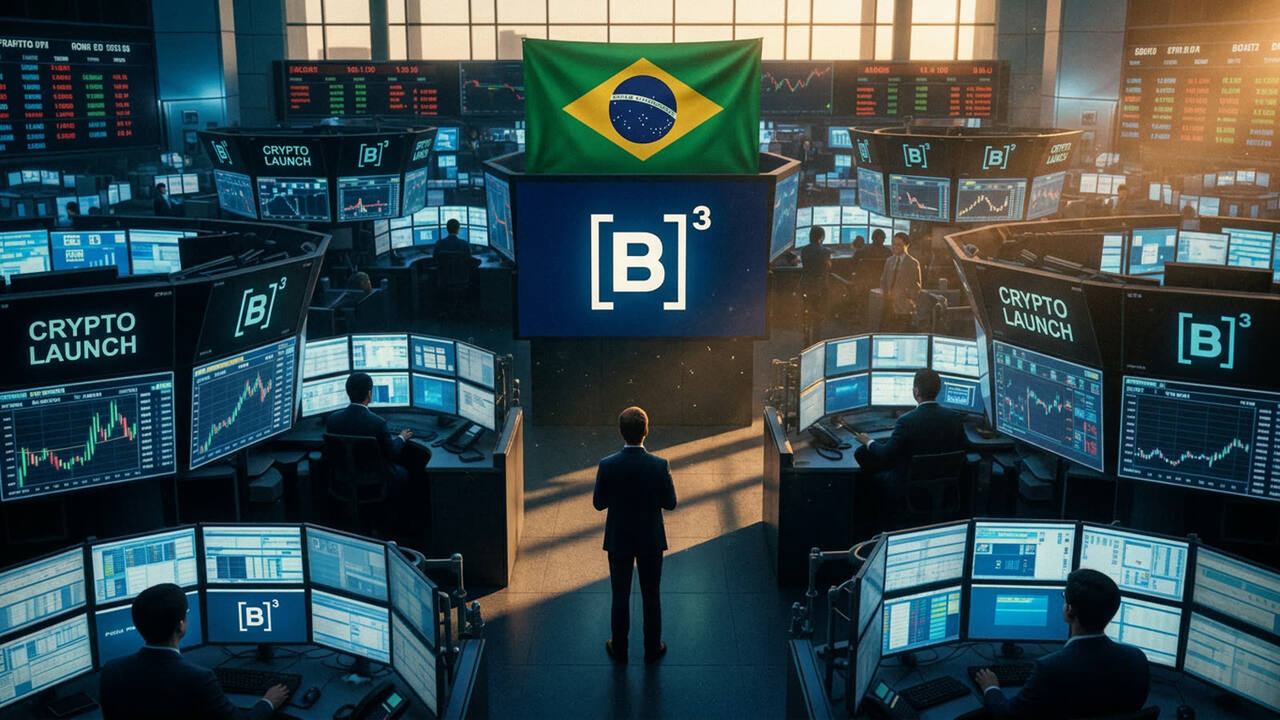
When Brazil's B3 exchange announced options contracts on bitcoin, ether, and solana futures this week, the headline felt almost quaint — another exchange adding crypto products. But the subtext matters far more than the product itself: Latin America's largest stock exchange, with $900 billion in listed equities and a century of institutional credibility, has decided that cryptocurrency derivatives belong in the same regulatory sandbox as Petrobras shares and sovereign bonds.
This is not a fintech startup chasing retail traders. This is the infrastructure backbone of the region's largest economy declaring that digital assets have graduated from speculative curiosity to allocable asset class.
Why derivatives matter more than spot
Institutional investors rarely buy spot crypto directly. Custody is complicated, accounting treatment is murky, and fiduciary boards get nervous about holding bearer assets on unregulated platforms. Derivatives solve this elegantly — exposure without possession. When CME launched bitcoin futures in 2017, it opened the door for pension funds and endowments to gain crypto exposure through familiar instruments on familiar rails.
B3 is now replicating that playbook for Latin American institutions. Brazilian pension funds, family offices, and asset managers can now construct hedged positions, generate yield through covered calls, or express directional views — all within the regulatory perimeter of CVM, Brazil's securities commission. The inclusion of solana alongside bitcoin and ether is particularly notable; it suggests B3 sees demand beyond the two blue-chip tokens.
The emerging market race for crypto infrastructure
Brazil is not acting in isolation. Mexico's Bolsa Mexicana has explored tokenized securities. Argentina, amid its perpetual currency crisis, has seen dollarization debates increasingly include stablecoin alternatives. Chile and Colombia have both advanced regulatory frameworks for digital assets.
But infrastructure is different from regulation. B3's move creates actual plumbing — clearing, settlement, margin requirements — that transforms crypto from a regulatory concept into a tradable reality. For institutional allocators comparing emerging market exposures, the presence of regulated derivatives infrastructure becomes a genuine differentiator.
The dollar question underneath
There is a subversive element to all of this. Latin American currencies have historically been volatile against the dollar; Brazil's real has swung wildly over the past decade. Crypto derivatives give local institutions another tool to hedge dollar exposure — or to express views on dollar weakness — without relying solely on traditional FX markets. The timing, amid renewed questions about U.S. fiscal trajectory and dollar reserve status, is unlikely coincidental.
Our take
B3's crypto options launch will not move bitcoin's price or capture global headlines. But it represents something more durable: the slow, unglamorous work of building regulated infrastructure that lets serious money participate in digital assets. The crypto industry has spent years demanding institutional adoption while offering institutions few tools they could actually use. Brazil just built some of those tools. Other emerging markets will follow, or watch their capital markets become less relevant to the next generation of asset allocation.