South Korean television has always been a few years ahead of the cultural curve, from K-pop's global conquest to the streaming dominance of Squid Game. Now it's pioneering something stranger: prime-time romantic rejection by artificial intelligence.
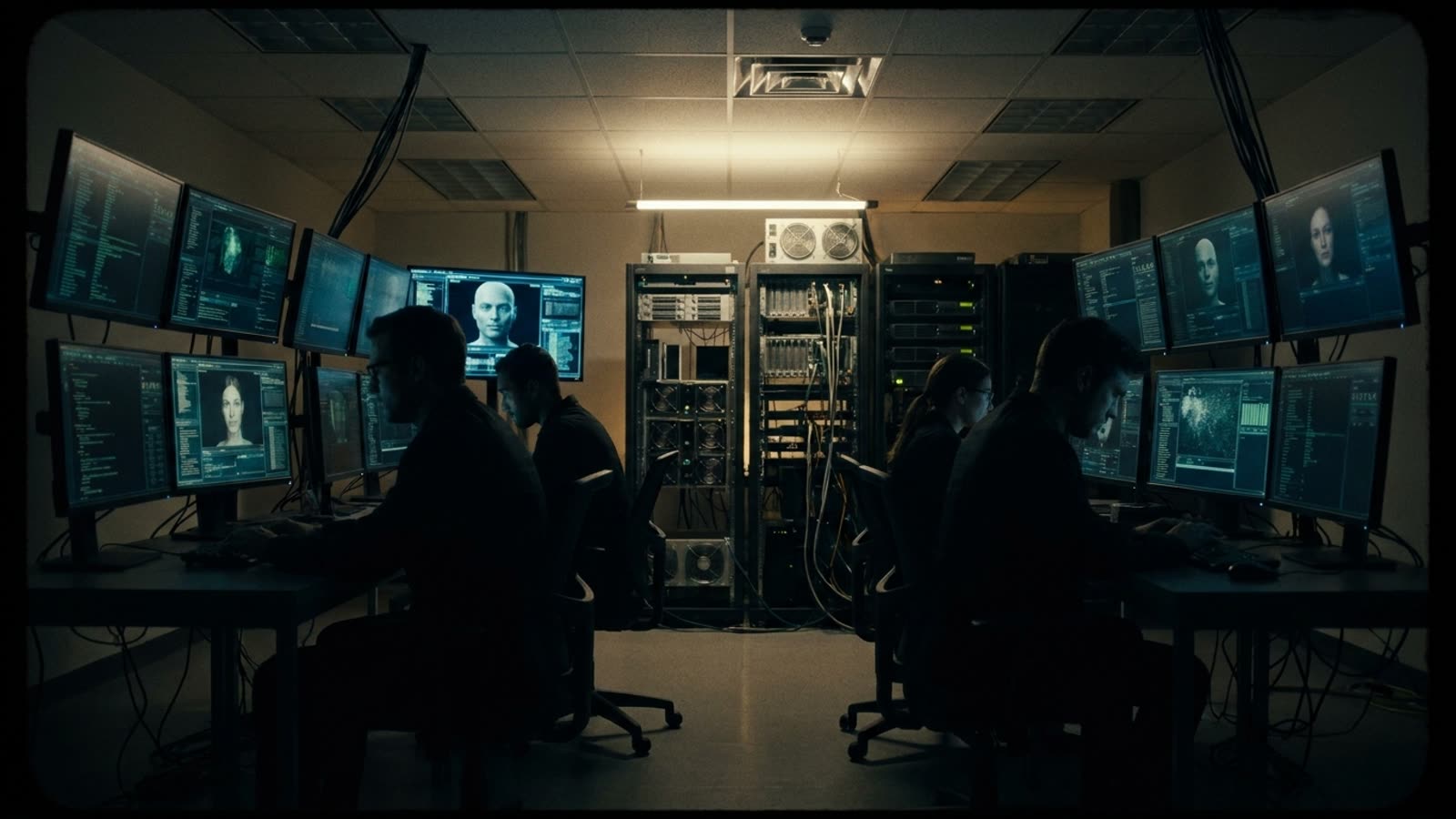
The premise of the unnamed new reality show is disarmingly simple. Three celebrities date AI avatars—not actors, not holograms, but conversational agents rendered as idealized digital companions. The humans sing, dance, and bare their souls. The AIs respond with uncanny fluency, occasional wit, and the emotional range of a very sophisticated customer-service bot. Then, inevitably, the humans get dumped.
Why Korea, why now
South Korea has become the world's most enthusiastic early adopter of AI companionship. Chatbot apps like Luda and Iruda accumulated millions of users before Western counterparts gained traction, and Korean consumers have proven unusually willing to form parasocial bonds with synthetic personalities. The country's demographic pressures—a fertility rate below one child per woman, a punishing work culture, and widespread social isolation—have created a population primed to experiment with alternatives to traditional relationships.
The show's producers are betting that discomfort is the point. Watching attractive celebrities fail to charm algorithms makes for compelling television precisely because it externalizes anxieties viewers already feel about their own digital lives. The AI avatars are designed to be almost-but-not-quite convincing, their occasional glitches and non sequiturs serving as reminders that the uncanny valley remains uncrossed.
The intimacy business
What makes the Korean experiment significant is its commercial honesty. Western AI companies have generally downplayed the romantic potential of their products, wary of regulatory scrutiny and reputational risk. Korean entertainment is taking the opposite approach, turning synthetic intimacy into a spectacle and, in doing so, normalizing it.
The show arrives as AI companion apps are quietly becoming a substantial business globally. Character.AI, Replika, and their competitors have tens of millions of users, many of whom describe their AI relationships in terms indistinguishable from human attachment. The Korean format suggests that the next phase won't be hidden in private chat logs but broadcast for mass audiences—part dating show, part technology demonstration, part group therapy session.
Our take
There's something clarifying about watching a celebrity get rejected by software on national television. It strips away the pretense that AI companions are merely tools or toys and forces the question of what, exactly, we're building. South Korea's willingness to stage this drama publicly, with all its awkwardness and pathos, is more honest than the West's tendency to treat synthetic relationships as a niche curiosity. The show may be entertainment, but the loneliness it exploits is real, and the technology filling that void is improving faster than our ability to understand what it means.