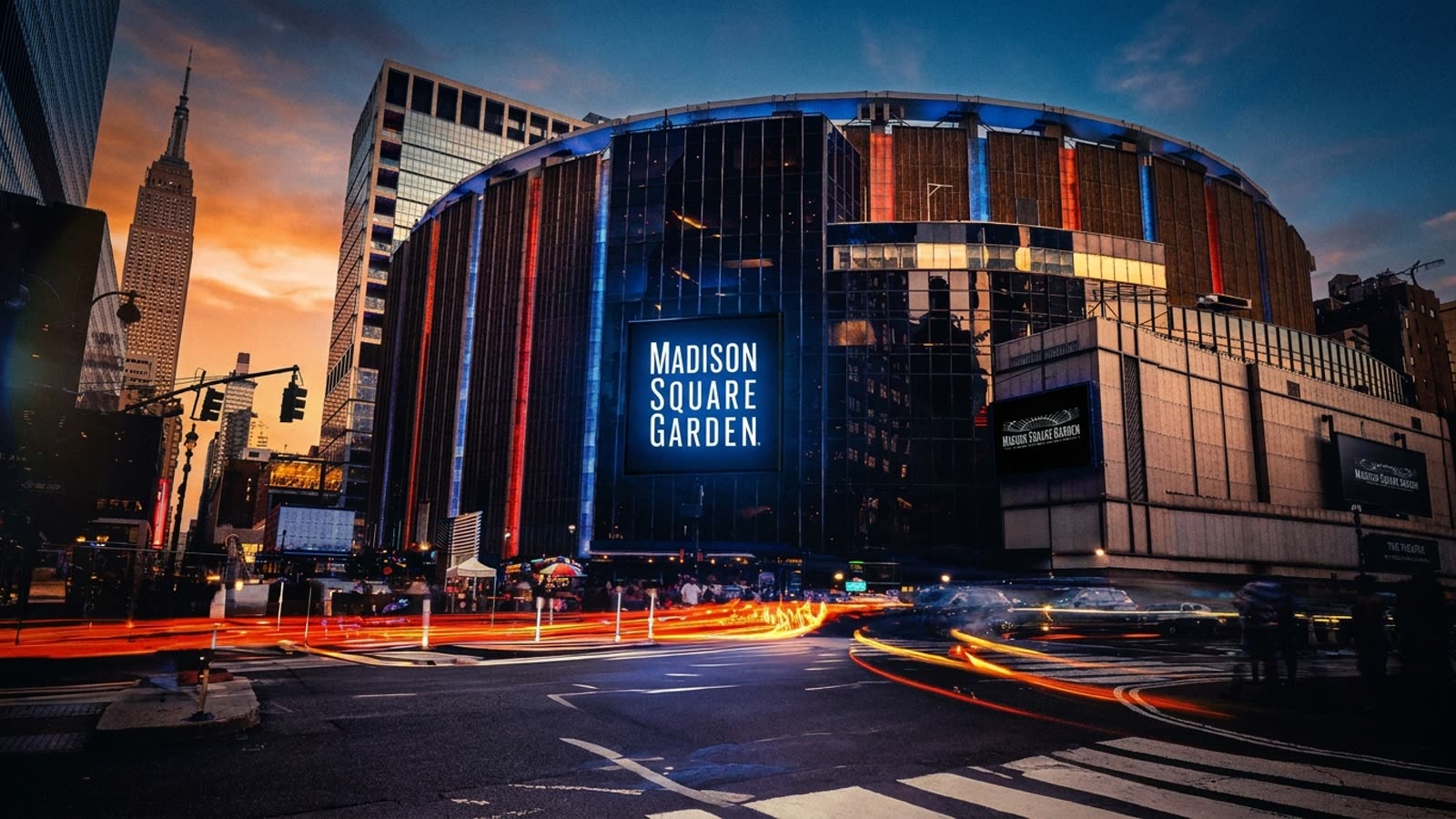
The courtside seats at Madison Square Garden during an NBA Finals game cost somewhere between $15,000 and $50,000, depending on whom you know and how badly you need to be seen. But the real price of admission is understanding a social contract that exists nowhere in writing and violates constantly in practice.
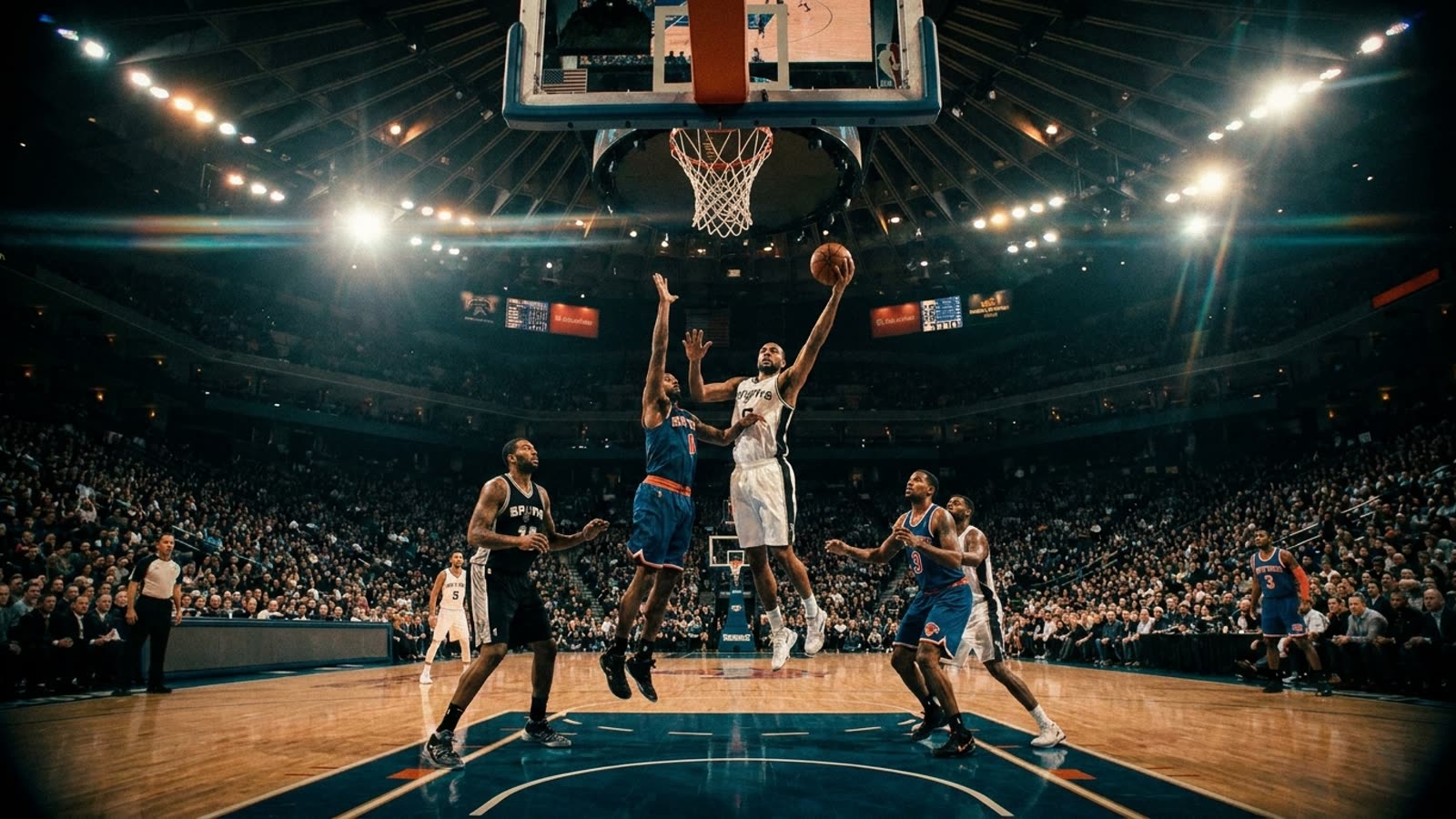
As the Knicks host the Spurs for Game 4 of what has become an unexpectedly competitive Finals series, the celebrity row at MSG has reasserted itself as American sports' most peculiar theater of class performance. Spike Lee, the godfather of courtside fandom, still occupies his usual spot near the Knicks bench, but the ecosystem around him has evolved into something stranger and more codified than the casual viewer might imagine.
The invisible rulebook
The unwritten rules are specific and ruthlessly enforced through social consequences rather than security intervention. You do not stand during play unless the crowd stands. You do not address players directly unless they address you first. You do not wear the visiting team's colors—not because it's prohibited, but because it marks you as someone who purchased access without understanding context. You absolutely do not take selfies during live action, though the timeout selfie has become grudgingly acceptable.
The hierarchy is equally precise. Legacy fans—those whose families have held seats for generations—occupy a different social stratum than celebrities, who rank above hedge fund managers, who rank above tech founders, who rank above anyone whose wealth is too recent or too loud. A courtside regular can identify an interloper within seconds, not by their clothes but by their body language: the wrong kind of enthusiasm, the tendency to look around rather than at the court, the fatal error of appearing impressed by proximity to famous people.
Why New York is different
Other arenas have celebrity rows. Los Angeles has Jack Nicholson's seat at Lakers games, a throne that has outlasted multiple ownership groups and arena renovations. Miami had its moment during the LeBron era. But Madison Square Garden operates under a different theory of celebrity attendance entirely.
In Los Angeles, the celebrity is the show. The camera finds them, lingers, invites the audience to participate in mutual recognition. At MSG, the celebrity is supposed to disappear into the crowd—to be present but not performing, to watch basketball rather than be watched watching basketball. This is, of course, a performance in itself, and everyone involved understands the contradiction. The studied casualness of a billionaire in a vintage Knicks cap requires more effort than any red carpet appearance.
The current Finals run has intensified these dynamics. The Knicks haven't competed for a championship in decades, and the courtside population has turned over substantially since their last serious playoff run. New money sits next to old money, and both sit next to people whose money is so old it no longer registers as money at all. The tension is productive in its way—it keeps everyone slightly nervous, slightly on their best behavior.
Our take
There's something almost touching about the elaborate social choreography of celebrity row, a reminder that extreme wealth doesn't eliminate status anxiety but merely relocates it. The people paying $40,000 to watch a basketball game are still worried about whether they're doing it right, still scanning the room to see who's scanning them. The Knicks might win or lose Game 4, but the real competition—for belonging, for recognition, for the appearance of effortless presence—never ends. It just moves to the next timeout.