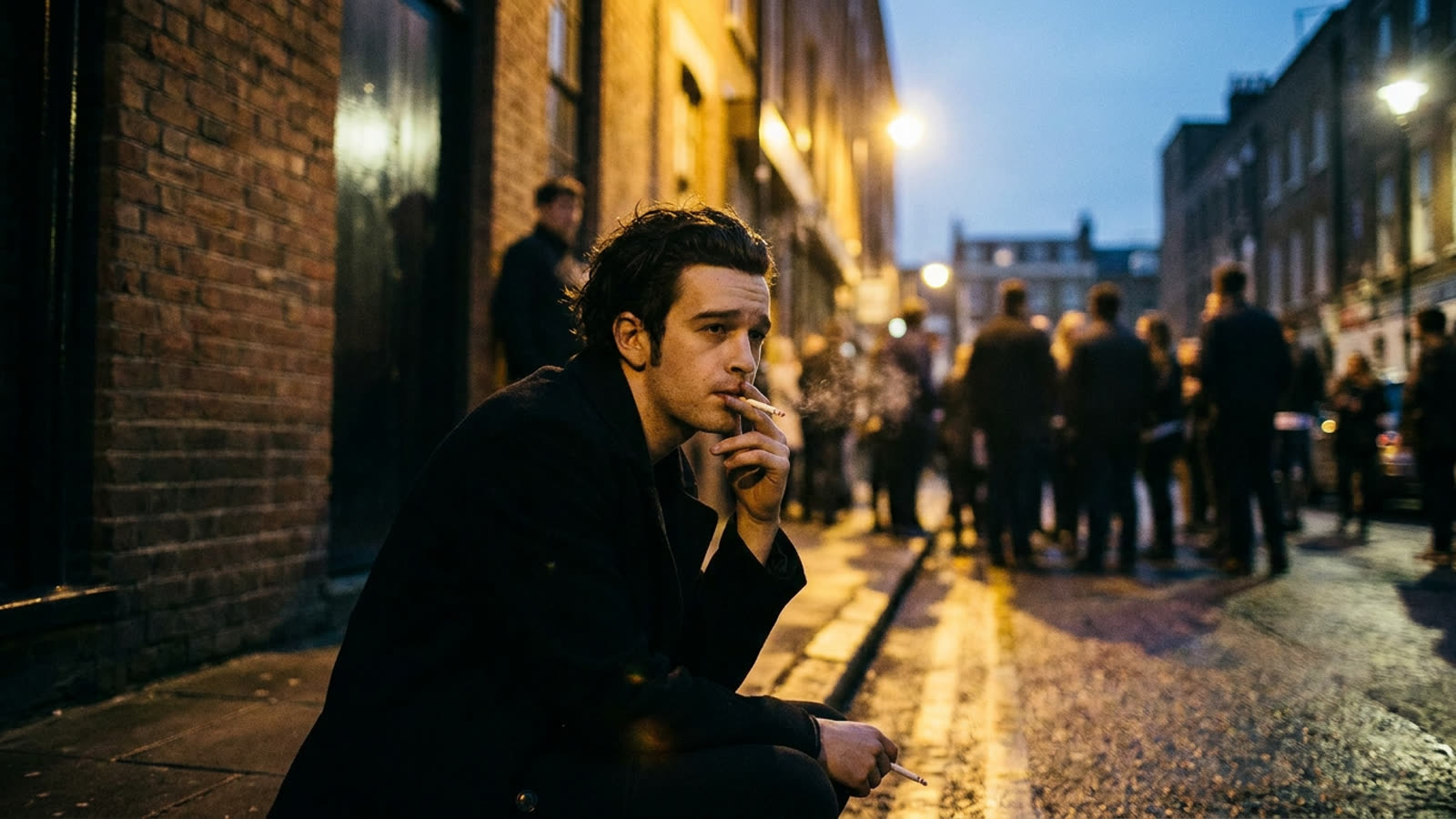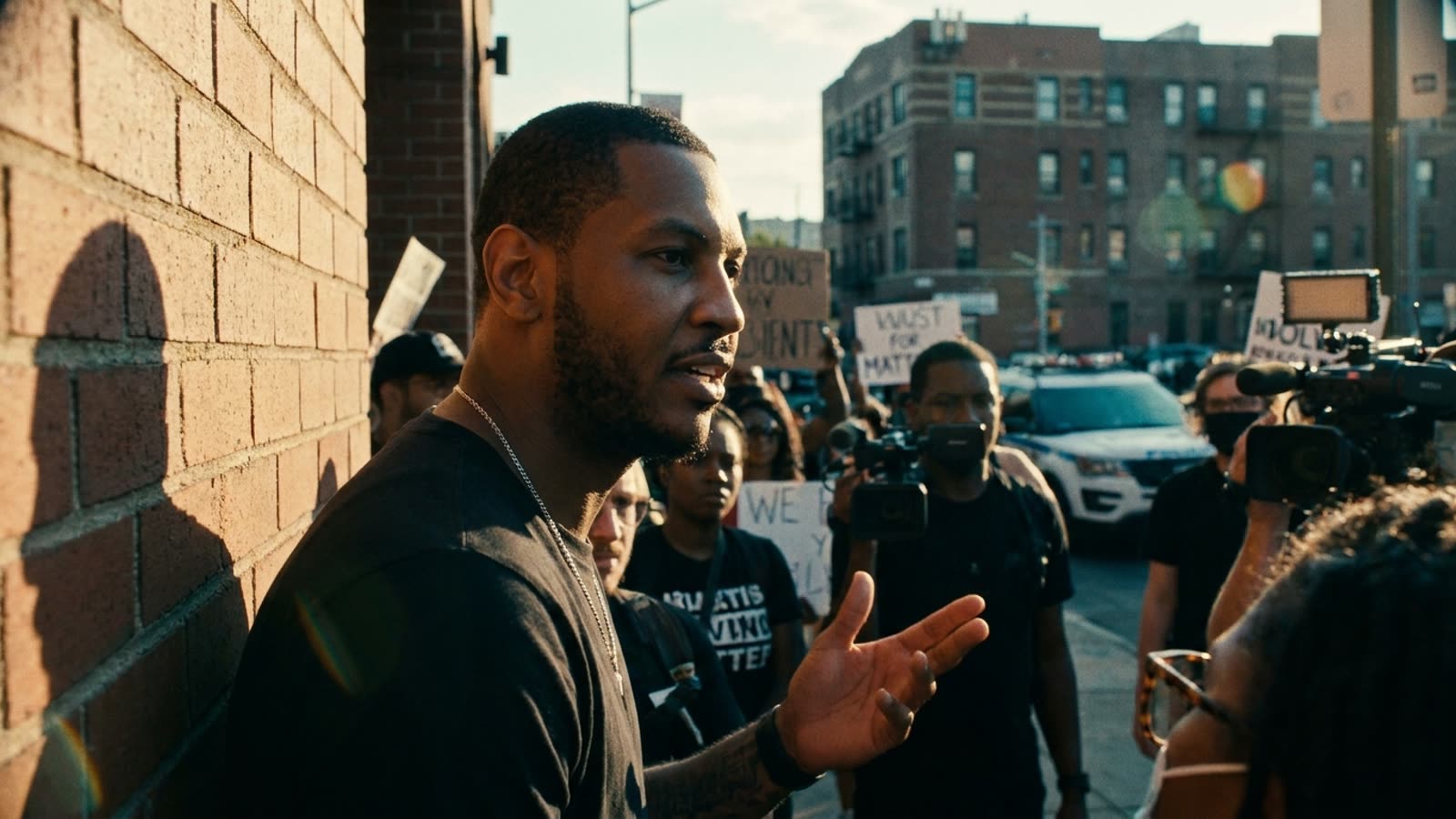
The bodycam footage released this week showing Karmelo Anthony—son of NBA legend Carmelo Anthony—weeping to police officers after allegedly killing Austin Metcalf is precisely the kind of content that breaks the internet while revealing nothing new about the case and everything about us.
Anthony, 17, was arrested in May and charged with first-degree murder in connection with Metcalf's death. The newly surfaced video shows a distraught teenager in the immediate aftermath, tears streaming, voice cracking. It is, by any measure, difficult to watch. It is also, by any legal measure, largely irrelevant to the question of guilt or innocence.
The Performance of Grief
What the footage has accomplished is something more insidious: it has shifted the discourse from the victim to the accused, from the facts of the case to the aesthetics of remorse. Social media commentary has fractured predictably—some users citing the tears as evidence of humanity, others dismissing them as manipulation. Neither camp seems particularly interested in Austin Metcalf, whose life ended violently and whose family must now watch their tragedy become content.
The release of such footage, while technically within the bounds of public records law, raises uncomfortable questions about whose suffering gets amplified and why. A bodycam video of an unknown teenager crying after an alleged murder would not trend. The Anthony surname is doing considerable work here.
Celebrity Adjacency as Shield
Karmelo Anthony is not a celebrity. He is the child of one, which in the American imagination confers a strange half-status: famous enough to generate headlines, sympathetic enough to benefit from his father's goodwill, yet legally identical to any other defendant. The court will treat him as the latter. The public has already decided to treat him as the former.
Carmelo Anthony himself has remained publicly silent, a choice that is both understandable and strategically sound. The elder Anthony's legacy—fifteen seasons in the NBA, ten All-Star selections, an Olympic gold medal—will inevitably be invoked as context, as if basketball statistics have any bearing on a homicide case.
Our take
The bodycam footage is not evidence of innocence or guilt. It is evidence of how thoroughly we have confused emotional display with moral truth, and how reflexively we extend the benefit of the doubt to those adjacent to fame. Austin Metcalf deserves a justice system that weighs facts, not a content ecosystem that weighs engagement. He is unlikely to get it.