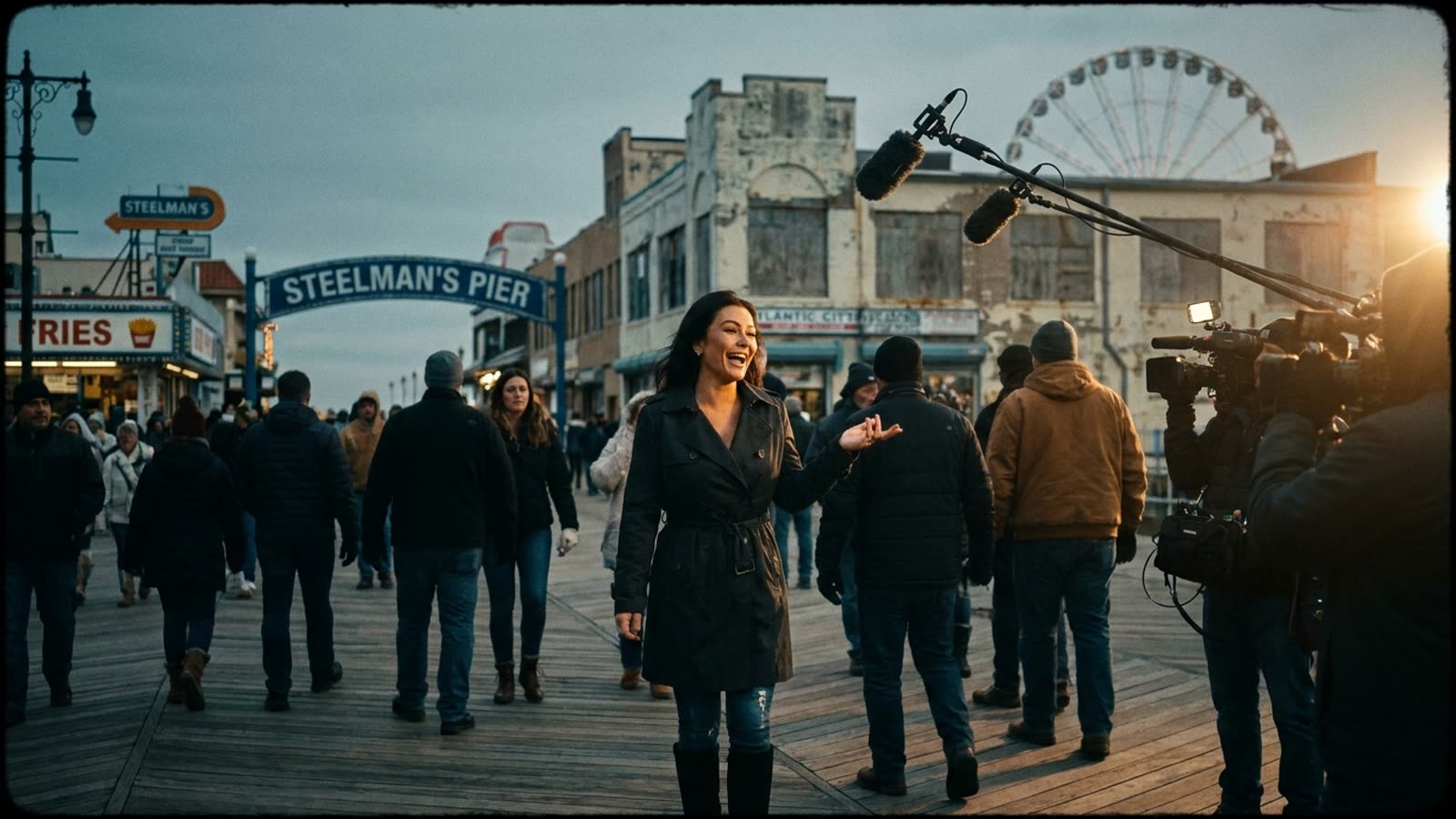
The remarkable thing about Jenni "JWoww" Farley is not that she became famous for getting into hot-tub altercations on the Seaside Heights boardwalk. It's that she's still famous for it, fifteen years later, in an entertainment landscape that has supposedly moved on from the spray-tan era of reality television.
Farley, now 40, continues to command tabloid attention and social media engagement that would make many scripted-television actors envious. Her Instagram following hovers around nine million. She remains a cast member on Jersey Shore: Family Vacation, which Paramount has renewed repeatedly despite — or because of — the fact that its stars are now middle-aged parents arguing about coparenting schedules instead of club promoters.
The economics of nostalgia casting
The original Jersey Shore was MTV's most-watched series ever when it peaked in 2011. The network understood something that streaming platforms are only now rediscovering: audiences form parasocial relationships with reality personalities that are stickier than those with fictional characters. You can recast a sitcom; you cannot recast Snooki.
This explains why Paramount keeps writing checks. Family Vacation doesn't need to match its predecessor's ratings — it needs to retain a core audience that has aged alongside the cast and will reliably tune in, providing predictable advertising revenue in an era of fragmented attention. Farley and her castmates are, in economic terms, a known quantity with minimal development risk.
The second-act playbook
Farley has executed the standard reality-star diversification strategy with reasonable competence. There's the skincare line, the fitness content, the occasional podcast appearance. None of it has broken through to mainstream cultural relevance, but none of it needs to. The goal is not to become a mogul; it's to maintain enough visibility to justify continued casting.
What distinguishes Farley from castmates who have faded is a certain strategic discipline. She has managed her public image through a divorce, custody disputes, and the inevitable aging-out-of-the-party-girl-persona transition without generating the kind of scandal that gets you edited out of reunion specials. In reality television, survival is its own form of success.
Our take
JWoww's endurance is less a testament to her individual talents than to the strange immortality that reality television confers on its earliest adopters. She arrived at precisely the right moment — after The Real World had normalized the format, before the market became saturated — and has simply refused to leave. There's something almost admirable about it, in the way there's something admirable about any small business that outlasts its trendier competitors. She's not an icon. She's a franchise.