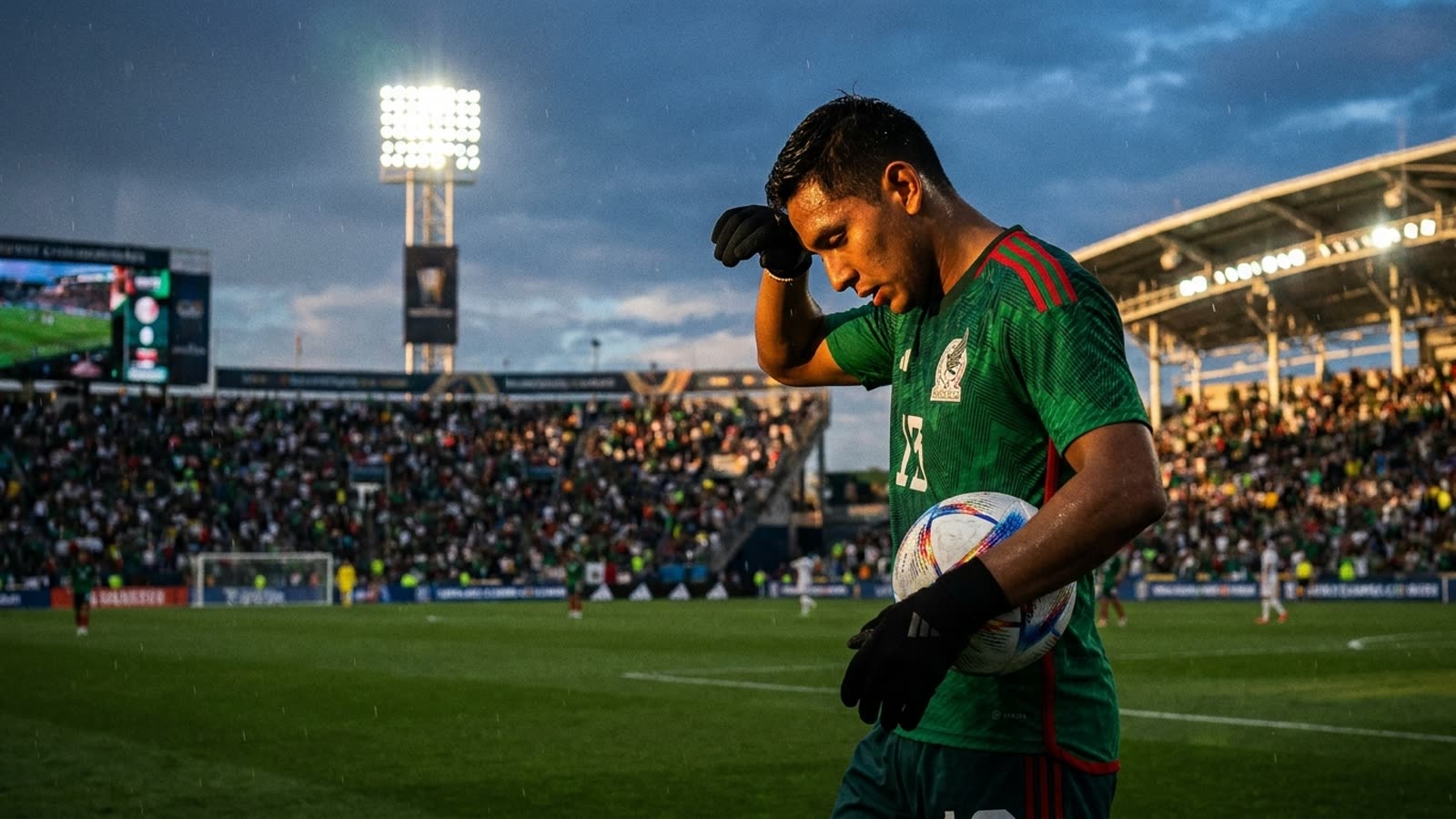
Julián Gutiérrez did not grow up dreaming of El Azteca. He grew up in Pilsen, the Mexican-American enclave on Chicago's Lower West Side, playing futsal in church gyms and watching Liga MX on grainy streams while his classmates followed the Bears. When he committed to Mexico's youth system at 17, American soccer Twitter called it a betrayal. When he started against Poland in Mexico's World Cup opener last week, he proved it was something far more complicated: a choice, made freely, about which version of himself felt most true.
Gutiérrez's story is not unprecedented—plenty of dual-nationals have picked one federation over another—but his timing makes it unusually charged. The United States and Mexico are co-hosting this tournament, and the two programs have spent years competing for the same talent pool along the border and in diaspora communities. Gutiérrez could have waited for a USMNT call-up that scouts say was coming. He chose not to.
The talent that made both federations call
Gutiérrez's appeal is easy to see: a left-footed central midfielder with the spatial awareness of a chess prodigy and the engine of a box-to-box workhorse. He came through Chivas' academy after being spotted at a U.S. Soccer Development Academy showcase—a detail that still stings in Chicago—and broke into the first team at 20. By 22 he was starting in Liga MX playoffs. By 23 he was wearing the green shirt in a World Cup.
His performance against Poland was quietly excellent: 91% pass completion, three key passes, and the composure to dictate tempo when Mexico needed to slow the game after going ahead. He is not the star of this team—that remains Edson Álvarez—but he may be its most intriguing subplot.
Why the choice still rankles
American fans have long memories for dual-nationals who picked elsewhere, and Gutiérrez's decision arrived at a particularly sensitive moment. U.S. Soccer had just lost a recruiting battle for another Mexican-American prospect, and the federation's outreach to Latino communities was under internal review. Gutiérrez's departure became a symbol of what critics called institutional neglect.
Mexico, for its part, embraced him without reservation. Manager Javier Aguirre has called Gutiérrez "as Mexican as anyone in the squad," a pointed rebuttal to those who questioned whether a kid from Illinois could truly represent El Tri. The statement was generous, but it also papered over a real tension: Gutiérrez's Spanish is fluent but accented, his cultural references occasionally misaligned with teammates raised in Guadalajara or Mexico City. Belonging is not a binary.
Our take
The Gutiérrez discourse reveals how poorly equipped both federations—and fans—are to discuss identity without reducing it to loyalty tests. He is not a traitor to America; he is an American who felt more seen by Mexico. That distinction matters. Dual-nationals are not prizes to be won or defectors to be mourned. They are people navigating overlapping inheritances, and the ones who choose thoughtfully deserve respect regardless of which jersey they pull on. Gutiérrez's World Cup is just beginning. The conversation he's started will outlast it.