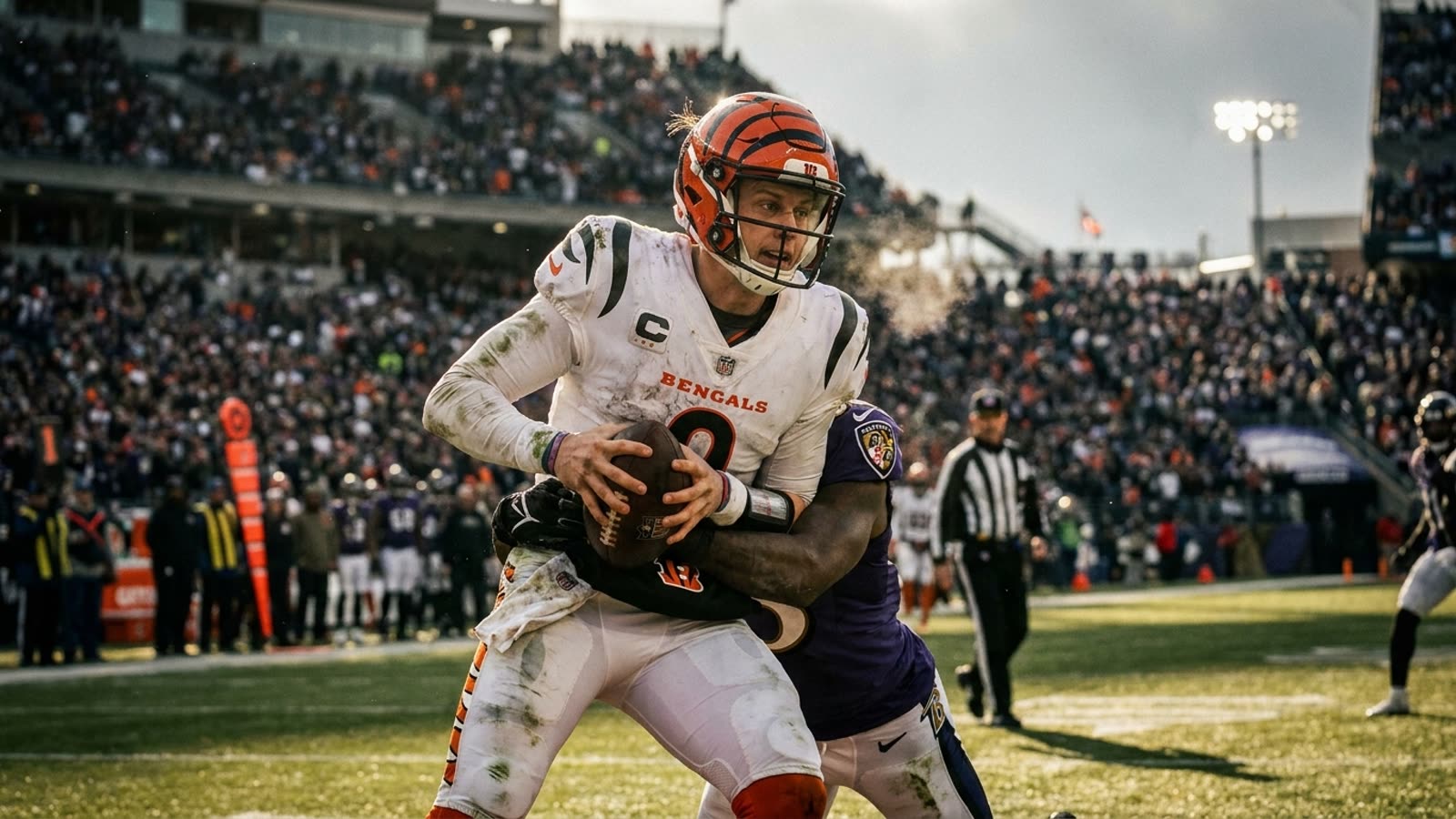
The Cincinnati Bengals have spent the better part of four years living in the NFL's most frustrating purgatory: good enough to reach a Super Bowl, not quite good enough to win one, and perpetually strapped for the cap space to close the gap. On Monday, Joe Burrow agreed to restructure his contract, converting a significant portion of his 2026 base salary into a signing bonus and pushing money into future years. The move is accounting, not altruism, but it tells you everything about where the franchise stands.
Burrow, who signed his five-year, $275 million extension in 2023, was already the highest-paid player in league history at the time of that deal. Restructures like this one don't reduce what he's owed; they simply rearrange when the Bengals pay it. The immediate effect is cap relief—likely in the range of $15-20 million, based on typical restructure mechanics—that Cincinnati can deploy this summer on roster reinforcements.
The calculus of contention
For a team that lost Super Bowl LVI to the Rams and has since suffered an AFC Championship defeat and a heartbreaking wild-card exit, the math is simple: Burrow's prime is now. He turned 29 in December. His arm remains elite, his processing speed otherworldly, but the injury history—a torn ACL in 2020, a calf strain that derailed 2023, a wrist fracture that cost him most of 2024—means every healthy season is precious.
The Bengals understand this. They've watched Patrick Mahomes and the Chiefs collect three Lombardi trophies while Cincinnati has collected moral victories. A restructure signals that owner Mike Brown, historically reluctant to spend aggressively, has accepted that windows don't stay open forever.
What the money buys
The freed cap space won't transform the roster overnight, but it provides options. Cincinnati could pursue a veteran pass-rusher to complement Trey Hendrickson, add secondary depth, or simply retain key contributors heading into free agency next spring. The Bengals have Ja'Marr Chase and Tee Higgins under contract through 2026, giving Burrow the receiving corps that makes him most dangerous. What they've lacked is defensive consistency and offensive line stability—problems that money alone doesn't solve but certainly helps address.
The restructure also pushes more dead money into future years, a gamble that assumes Burrow will remain healthy and productive. If he does, the Bengals will happily pay the bill. If he doesn't, they'll be dealing with cap consequences well into the next decade.
Our take
This is the NFL's version of going all-in without actually trading draft picks. The Bengals are betting that their quarterback, when healthy, is good enough to win it all, and that the only thing standing between Cincinnati and a championship is the margin of error that comes with a deeper roster. They might be right. Burrow has outplayed Mahomes in head-to-head matchups. He's dragged mediocre supporting casts to conference championship games. But the NFL doesn't award trophies for potential, and the Bengals have been one play away too many times to trust that talent alone will get them over the hump. The restructure is a statement of intent. Now Cincinnati has to prove it was more than creative accounting.