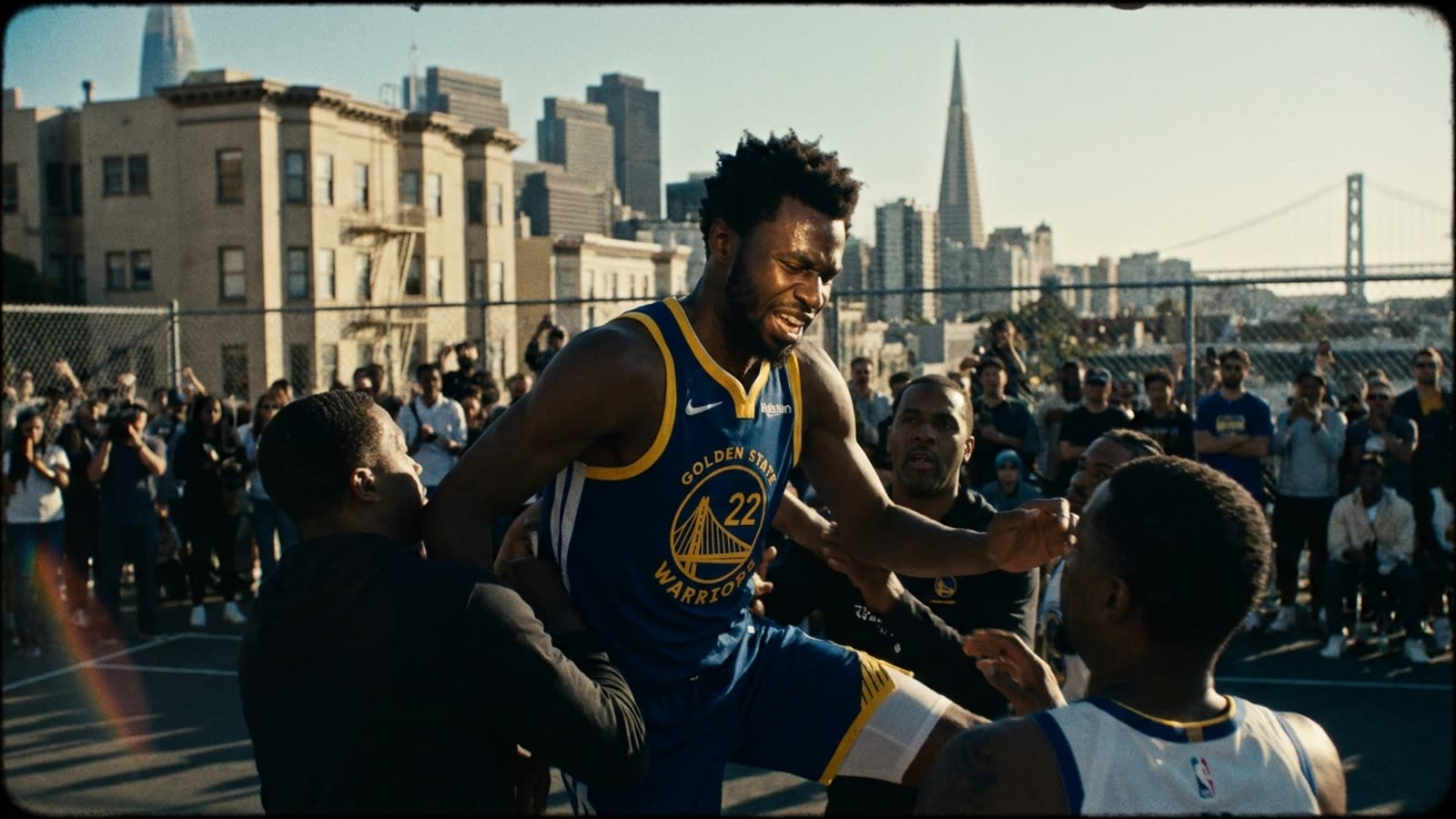
The Warriors had options this summer. They chose nostalgia, loyalty, and a 37-year-old wing who spent most of last spring watching his team lose from the bench with a strained hamstring. Jimmy Butler's return to Golden State isn't just a roster decision—it's a philosophical statement about how the franchise sees its championship window, which is to say, barely ajar and closing fast.
Butler arrived in the Bay Area before last season as the missing piece, the two-way closer who would slot beside Stephen Curry and provide the playoff intensity the Warriors had lacked since Kevin Durant's departure. Instead, he played through nagging injuries, looked a step slower than his Miami peak, and then watched helplessly as Denver ended Golden State's season in five games. "I felt I let them down," Butler told ESPN this week. "That's not something I forget."
The quiet offseason gamble
While the Lakers added youth and the Nuggets retooled around Nikola Jokić, the Warriors stood pat. No blockbuster trades, no splashy free-agent signings. The front office's logic, according to league sources, was straightforward: a healthy Butler is still a top-twenty player, Curry remains Curry, and the Western Conference is chaotic enough that a hot stretch could carry them deep. It's a reasonable bet. It's also the kind of reasoning that precedes a lottery appearance.
The problem is that Butler's body has been unreasonable for years. He has played more than 65 games exactly once since 2020. His three-point shooting, never a strength, dipped to a career-low last season. And the Warriors' supporting cast—Andrew Wiggins, Jonathan Kuminga, a patchwork bench—requires Butler to be the connective tissue on both ends. If he can't stay on the floor, the experiment fails.
Why rivals are watching
Executives around the league aren't dismissing Golden State, though. Butler's playoff track record—the 2023 Finals run with Miami, the near-upsets of Boston and Milwaukee—suggests he elevates when the games matter most. One Western Conference GM told ESPN the Warriors are "the team nobody wants to see in a seven-game series," provided Butler and Curry are both upright. That's a significant proviso, but it's not nothing.
The schedule offers early tests. A November stretch against Denver, Phoenix, and Minnesota will reveal whether Butler's conditioning has improved or whether last year's decline was permanent. By December, we'll know if this is a redemption arc or a farewell tour.
Our take
Butler's mission is admirable, and his self-awareness about last season's failure is refreshing in an era of athlete deflection. But sentiment doesn't win playoff series, and the Warriors are asking a lot from a player whose prime ended several seasons ago. Golden State is betting on memory—of Butler's toughness, of Curry's magic, of a franchise that once made the improbable routine. Sometimes memory delivers. More often, it just makes the decline harder to watch.