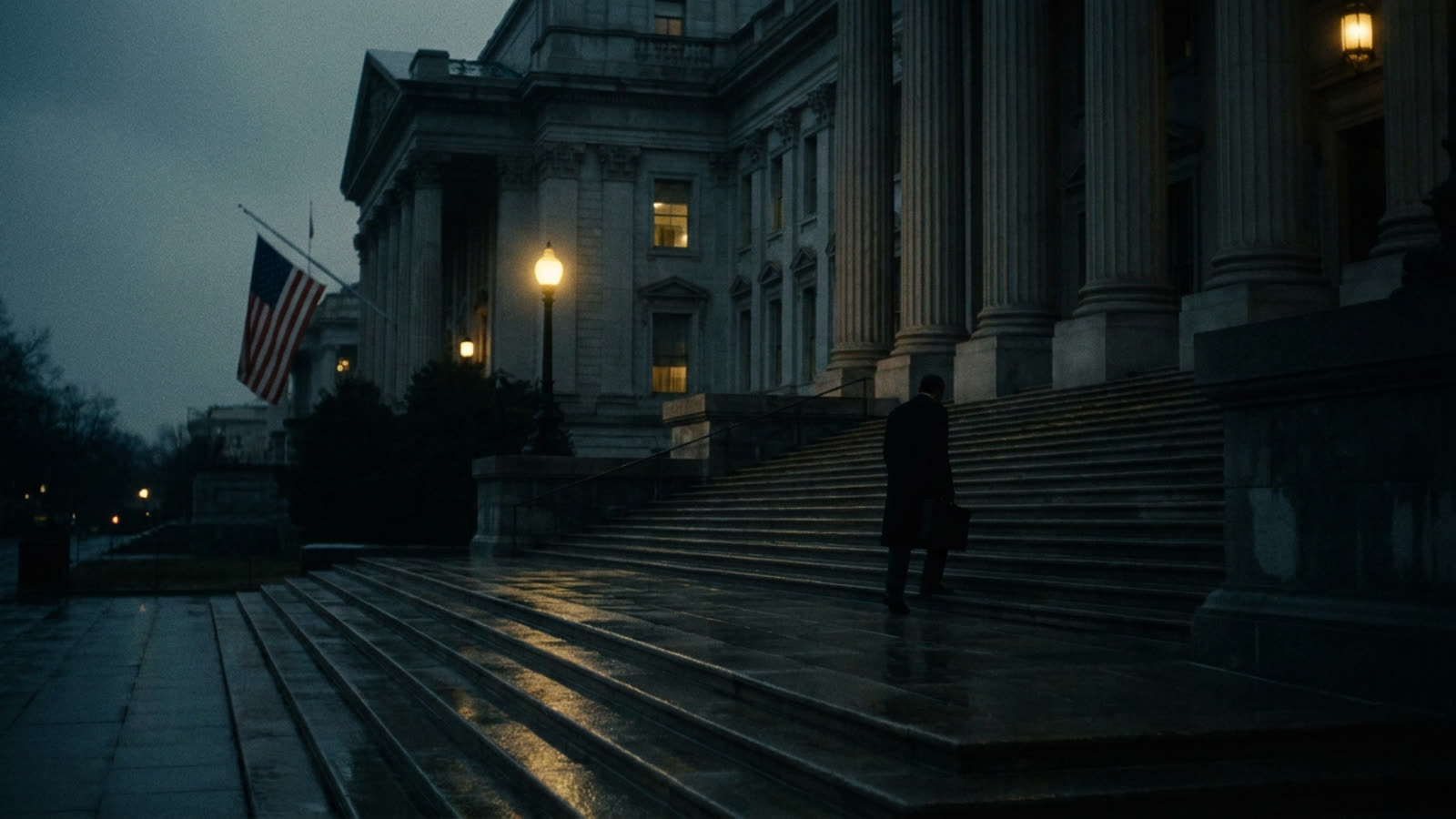
The North Atlantic Treaty Organization has survived the Cold War, the Balkans, Afghanistan, and countless prophecies of its obsolescence. What it may not survive is its own members publicly contradicting each other over a war that half of them never wanted.
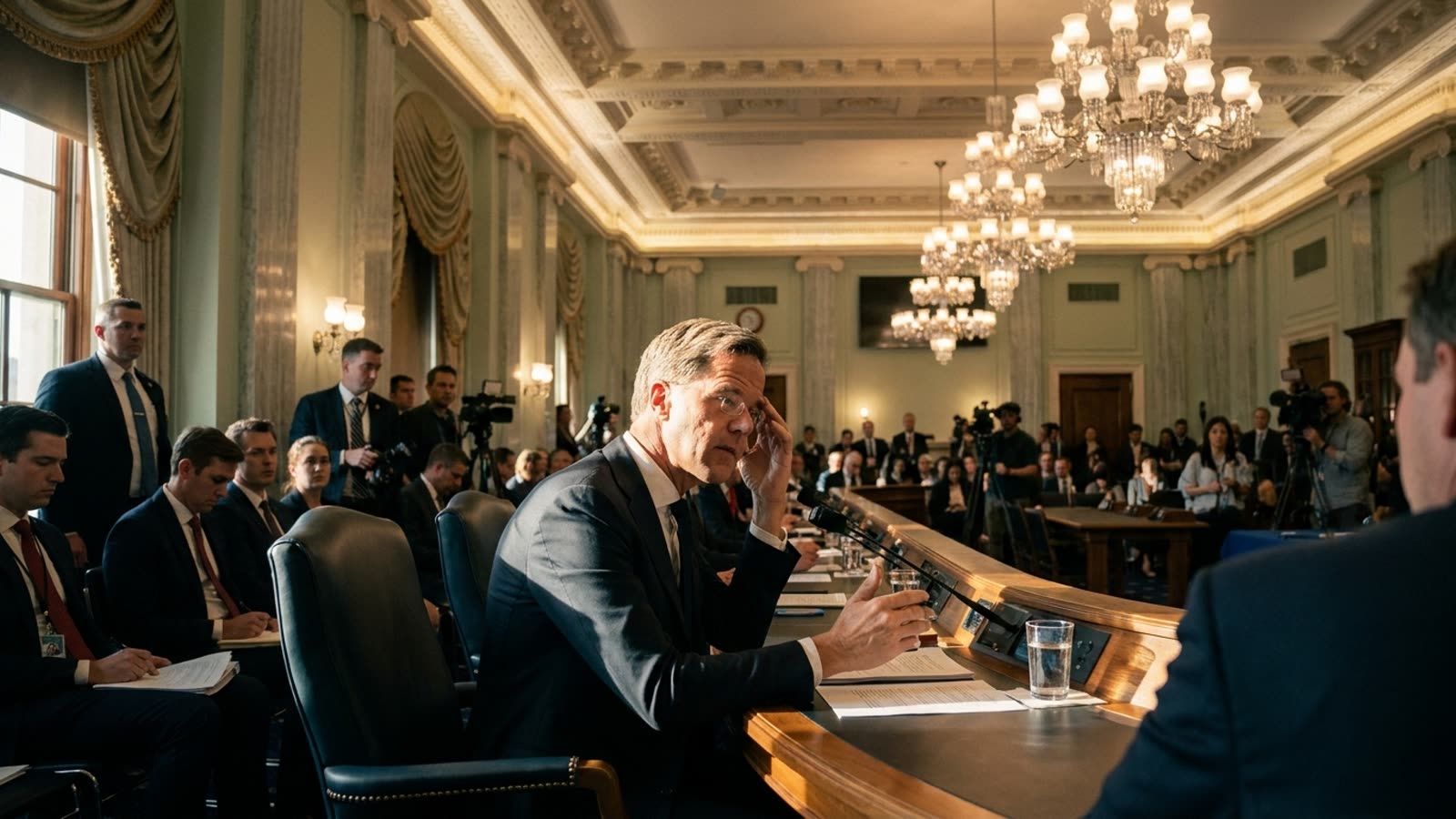
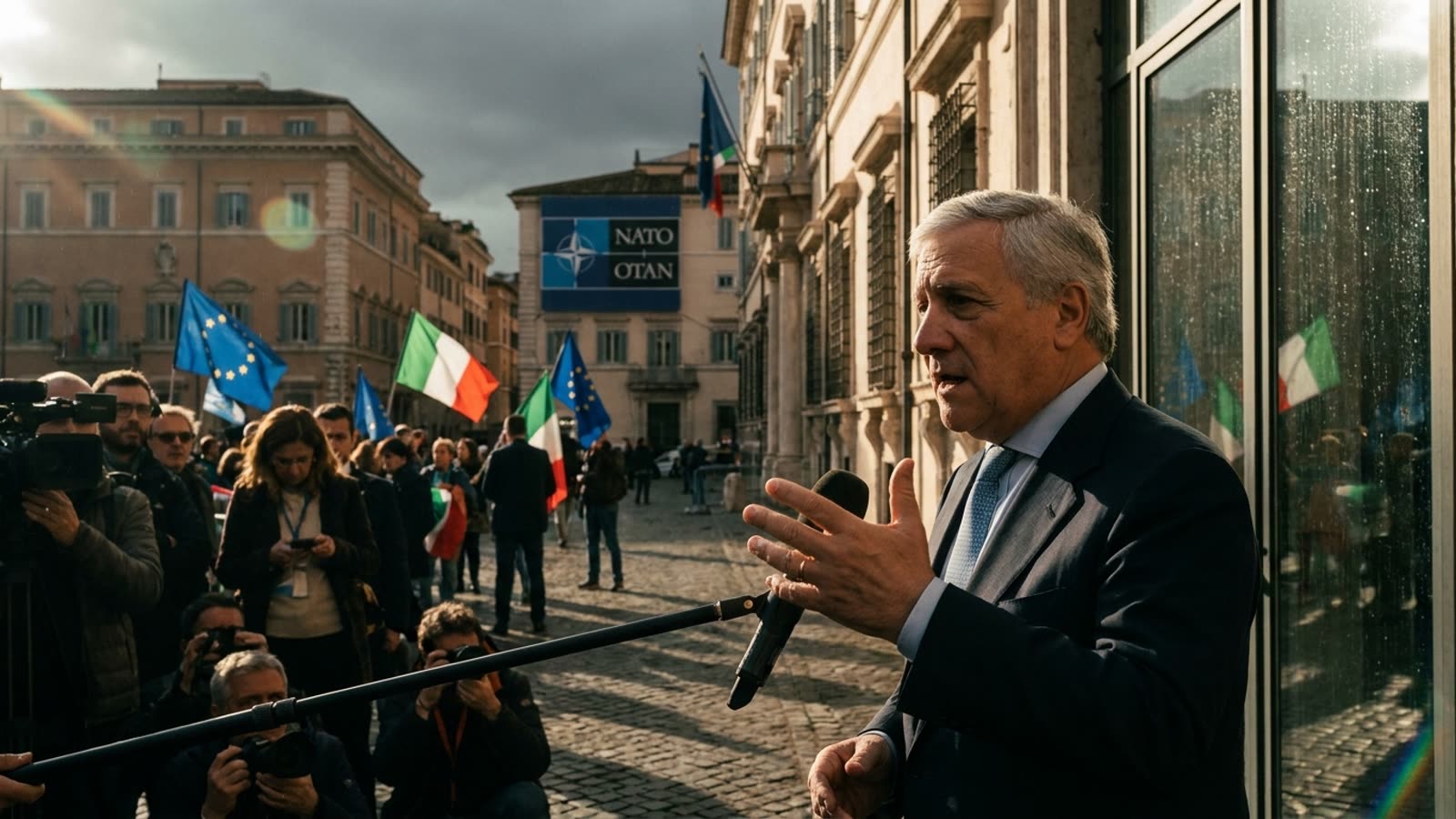
Italy's rebuke of NATO Secretary General Mark Rutte this week was remarkable not for its diplomatic content—Rome has long been squeamish about the Iran campaign—but for its tone. Foreign Minister Antonio Tajani did not issue a measured statement through channels. He went on television and accused Rutte of overstepping his mandate by suggesting that American bases on Italian soil could be used for operations against Tehran without explicit Italian consent. "NATO is a defensive alliance," Tajani said, in a formulation that sounded less like a legal clarification and more like a warning.
The sovereignty question
The technical issue is narrow but explosive. American military installations in Italy operate under a 1954 bilateral agreement and subsequent protocols that grant Washington considerable operational flexibility. But the legal framework assumes a shared threat perception. When the United States launched strikes against Iranian targets earlier this year, it did so under Article 51 self-defense claims that many European governments regard as legally dubious. Italy never formally endorsed the campaign. Neither did Germany, France, or Spain.
Rutte's comments—made at a press conference in Brussels—implied that NATO infrastructure is available for American operations regardless of individual member objections. This is not, strictly speaking, NATO doctrine. But it is increasingly American practice, and Rutte's willingness to validate it publicly suggests he has chosen sides in an internal debate that was supposed to remain internal.
The Meloni calculation
Prime Minister Giorgia Meloni faces an impossible domestic equation. Her coalition depends on nationalist voters who resent American hegemony and leftist voters who oppose military adventurism. Supporting the Iran campaign would fracture her government. Opposing it too loudly would invite Washington's wrath at a moment when Italy needs American support on migration, trade, and European defense funding. The Rutte rebuke threads this needle: Rome appears sovereign and principled without actually withdrawing from any alliance commitments.
But the performance has costs. Every public disagreement between NATO members is a data point for adversaries calculating alliance cohesion. Moscow and Beijing are watching. So is Tehran.
The deeper fracture
The Italy-NATO spat is a symptom of a structural problem the alliance has avoided confronting since the Trump administration's return to power. NATO was designed for collective defense against a common enemy. The Iran conflict is not collective—it is an American project that some members tolerate, others quietly oppose, and none except Britain enthusiastically support. The alliance has no mechanism for managing a war that only one member wants to fight.
Rutte's job is to paper over these contradictions. Tajani's job is to expose them when domestic politics demands. Neither man is wrong about his institutional role. But the spectacle of a NATO secretary general being publicly dressed down by a founding member suggests the papering-over is failing.
Our take
NATO's greatest asset has always been the perception of unity, not the reality. Adversaries assumed that an attack on one would trigger a response from all, and that assumption deterred aggression for seven decades. The Iran conflict is eroding that perception in real time. Italy's rebuke of Rutte is not a crisis—it is a symptom of a crisis that began when Washington decided to fight a war its allies did not want and expected them to provide the infrastructure anyway. The alliance will survive this episode. Whether it survives the next five years of similar episodes is a different question.