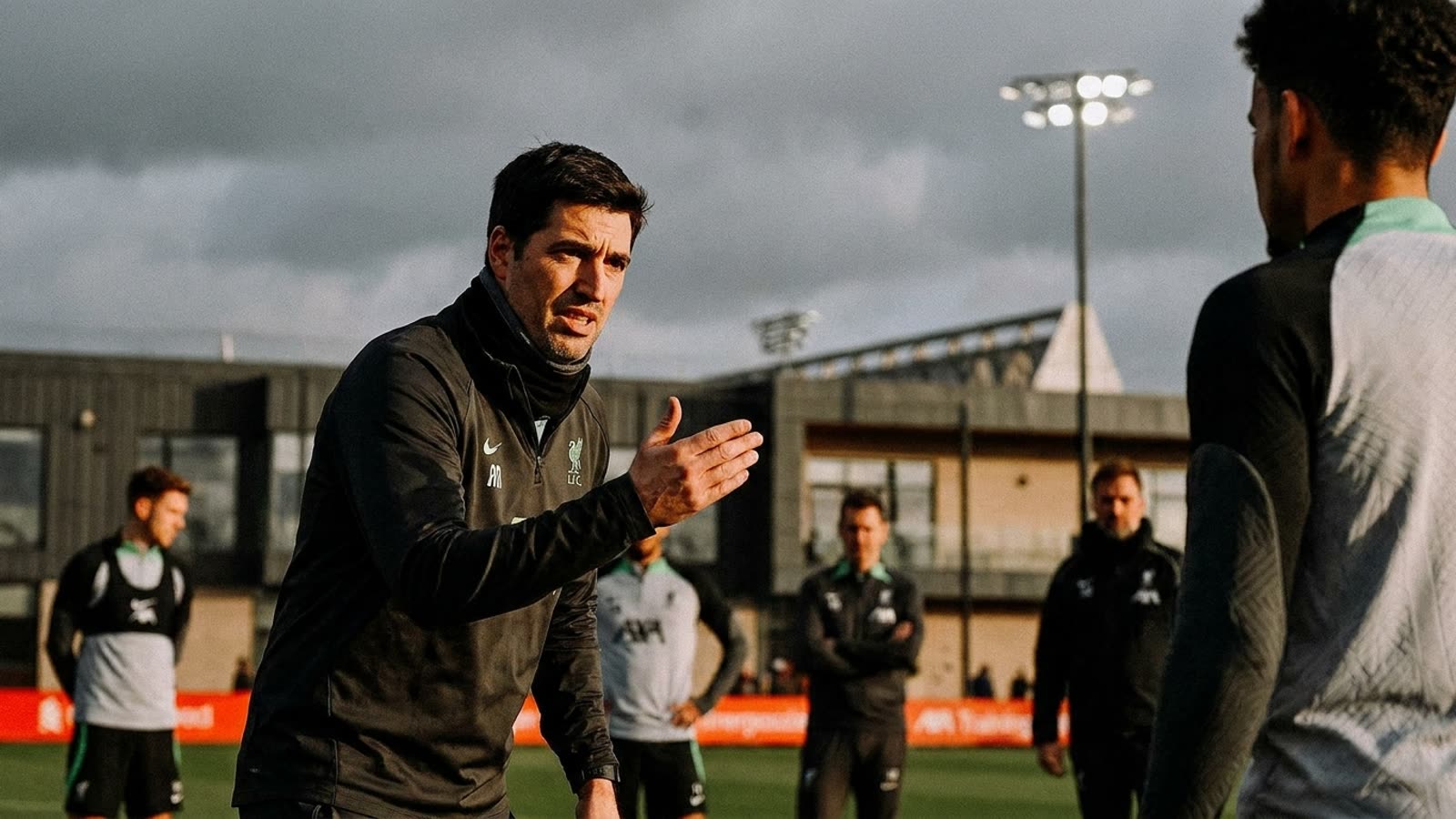
Somewhere between Jürgen Klopp's tearful farewell and the club's underwhelming transition season, Liverpool forgot how to be frightening. The stadium still sold out, the Kop still sang, but the suffocating intensity that once made Anfield a graveyard for title ambitions had dissipated into something more polite, more manageable. Ander Iraola, the 44-year-old Basque appointed in the summer after a revelatory spell at Bournemouth, has spent three months reminding everyone what Liverpool is supposed to feel like.
The pressing resurrection
Iraola's teams at Rayo Vallecano and Bournemouth were defined by structured aggression—high defensive lines, coordinated pressing triggers, and a willingness to trade chaos for territorial dominance. At Liverpool, he inherited a squad that had grown comfortable sitting in medium blocks and counter-pressing only when convenient. The transformation has been immediate and measurable. Liverpool's PPDA (passes allowed per defensive action) has dropped from 11.2 last season to 8.4 under Iraola, the lowest figure in the Premier League. Opponents are being harried into mistakes in their own third at a rate not seen since the 2019-20 title-winning campaign.
The personnel decisions have been equally decisive. Iraola has trusted Alexis Mac Allister as the fulcrum of his midfield press, deploying him higher than his predecessors dared. Ryan Gravenberch, a player who seemed destined for the rotation fringes, has become the ball-winning shield that allows the front line to hunt without fear of exposure.
Rotation without resentment
Klopp's final seasons were marked by squad management friction—players who expected minutes growing restless, depth options losing sharpness through inactivity. Iraola has approached rotation with the transparency of a man who knows he cannot afford to lose the dressing room. Every player who has been rested has been told why, and every substitute who has entered has been given meaningful assignments rather than caretaker minutes. The result is a squad that looks fresher in October than it has in years, with injury rates down and performance metrics stable across the XI.
Mohamed Salah, now 34 and entering the final year of his contract, has been managed with particular care. Iraola has limited his minutes in lower-stakes matches while ensuring he starts every significant fixture at full intensity. The Egyptian has responded with seven goals in nine league appearances, his movement sharper than it was in the second half of last season.
The Arsenal examination
Mikel Arteta's champions arrive at Anfield on Sunday having won their last six league matches, their own pressing system humming at peak efficiency. This is the fixture that will determine whether Liverpool's revival is structural or merely a function of favorable early scheduling. Arsenal's midfield—Declan Rice, Martin Ødegaard, and the increasingly influential Ethan Nwaneri—has the technical quality to play through pressure that has overwhelmed lesser opponents. If Iraola's press can disrupt Arsenal's build-up, it will signal that Liverpool are genuine title contenders. If Arsenal carve through it, the feel-good factor may prove to be nothing more than a pleasant autumn illusion.
Our take
Iraola was a gamble—a manager with no trophies, no Champions League experience, and a reputation built on overachievement with limited resources. Three months in, the gamble looks inspired. Liverpool feel dangerous again, the kind of team that opponents dread visiting. Whether that dread translates into a title challenge depends on Sunday's result, but the direction of travel is unmistakable. Anfield has its edge back.