When analysts tally the cost of the Iran conflict, they will count lives, infrastructure, and diplomatic capital. But one figure stands apart for its sheer scale: more than one billion barrels of oil supply vanished from global markets during the fighting. That is roughly equivalent to wiping out all of Norway's annual production—twice over. Yet Brent crude, which spiked briefly above $95 during the war's most intense phase, now trades in the low $70s. The dog that didn't bark tells us more about the new energy order than the disruption itself.
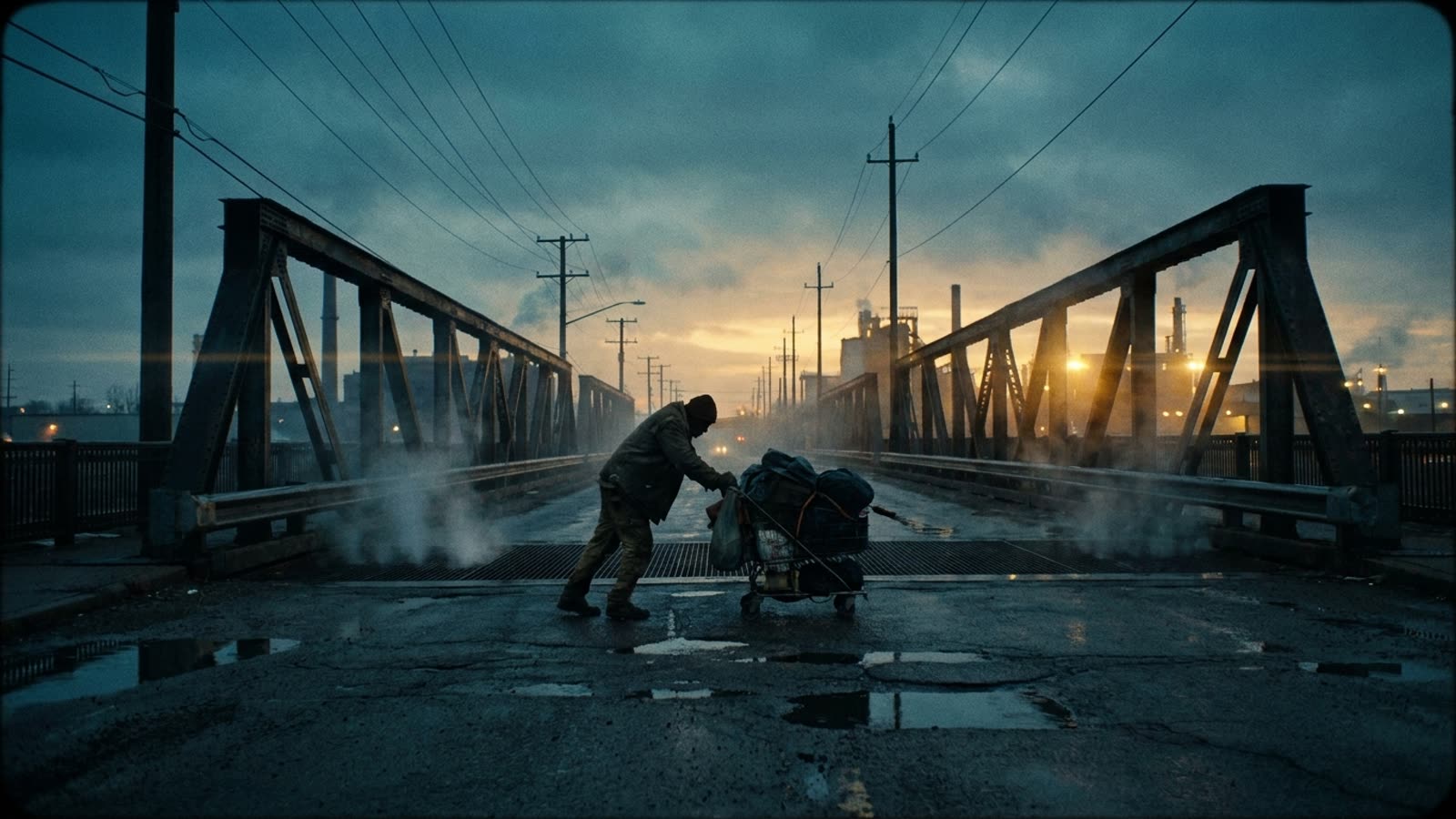
The loss is real and documented. Iranian exports, already constrained by sanctions, collapsed further as port infrastructure came under attack and insurers fled. Regional transit through the Strait of Hormuz slowed as shippers rerouted. Secondary effects rippled through Iraqi and Kuwaiti flows. By any historical standard, this should have been a 1973-style shock.
Why the market shrugged
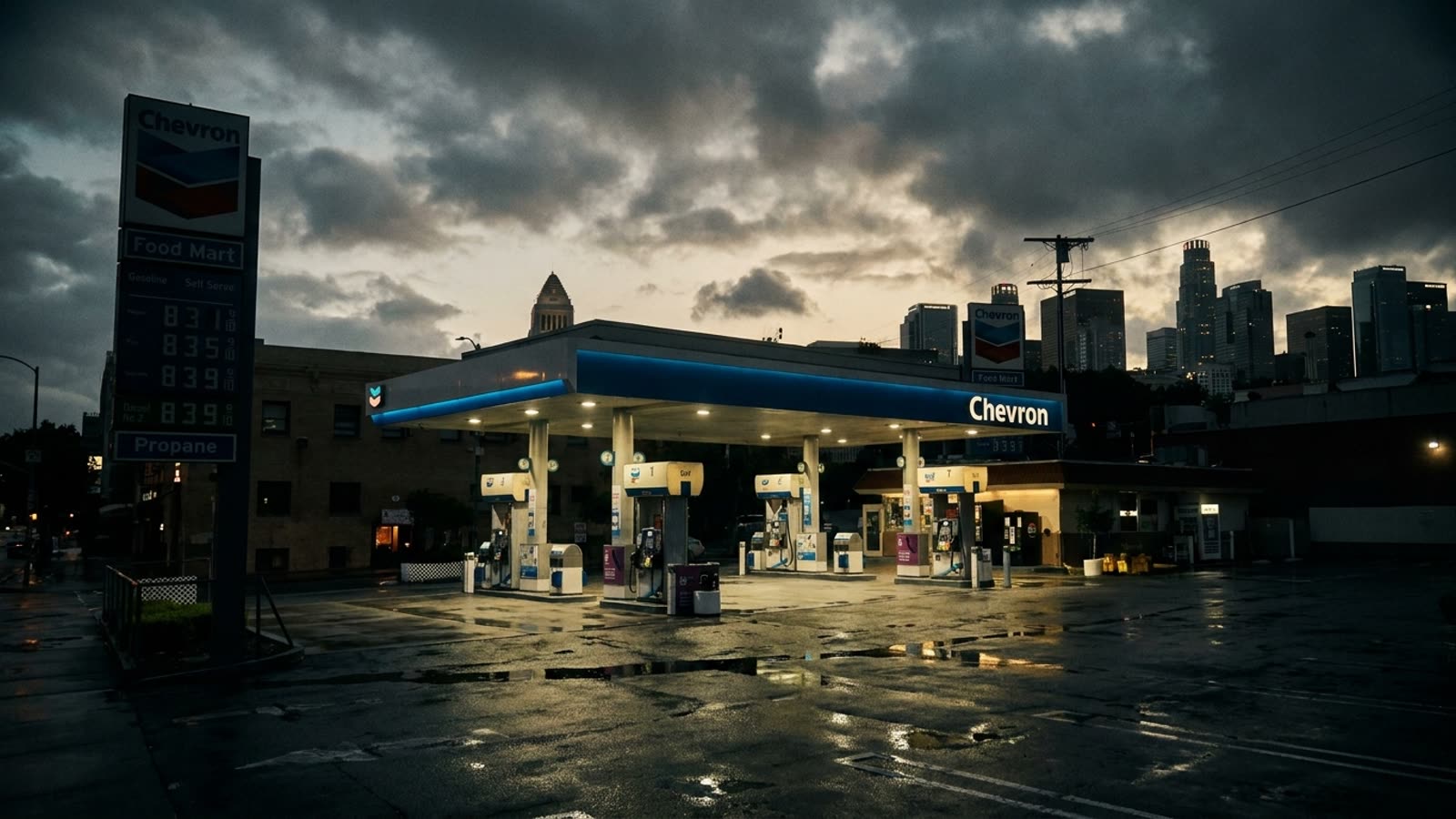
Three structural shifts explain the muted response. First, American shale producers have become the world's swing capacity. When prices spiked, Permian rigs that had been idled at $65 economics roared back at $85. The response time—weeks, not years—is something OPEC never had to contend with during previous Gulf crises.
Second, strategic petroleum reserves did their job. The United States, Europe, Japan, and South Korea released coordinated volumes that smoothed the worst of the spot-market panic. Critics who called these reserves inadequate after the 2022 drawdowns were proven wrong; the barrels were there when needed.
Third, demand growth has structurally slowed. Chinese consumption, once the engine of every oil bull case, has plateaued as electric vehicles claim a quarter of new car sales. European demand continues its long decline. The billion barrels lost were barrels the world could, it turns out, live without.
The geopolitical recalibration
For decades, the threat of Middle Eastern supply disruption gave Gulf states implicit leverage over Western foreign policy. That leverage has not disappeared, but it has diminished. Washington's willingness to pursue a harder line on Iran—culminating in the recent framework talks that critics call too lenient and hawks call overdue—was enabled partly by confidence that an oil shock could be managed.
This does not mean energy security is solved. A simultaneous disruption in the Gulf and a Russian export collapse would still stress markets badly. But the single-point-of-failure anxiety that defined American energy policy from the 1970s through the 2000s has faded. Policymakers have more room to maneuver, and they know it.
Our take
The billion-barrel loss is a milestone worth marking—not because it changed the world, but because it revealed how much the world had already changed. The United States is no longer hostage to Gulf tanker routes. Renewables and EVs are not yet dominant, but they are large enough to bend the demand curve. Strategic reserves work. Shale responds. The Iran conflict was a stress test, and the global energy system passed. That should inform how we think about the next crisis, and the next set of negotiations. The oil weapon is not broken, but it is duller than it used to be.