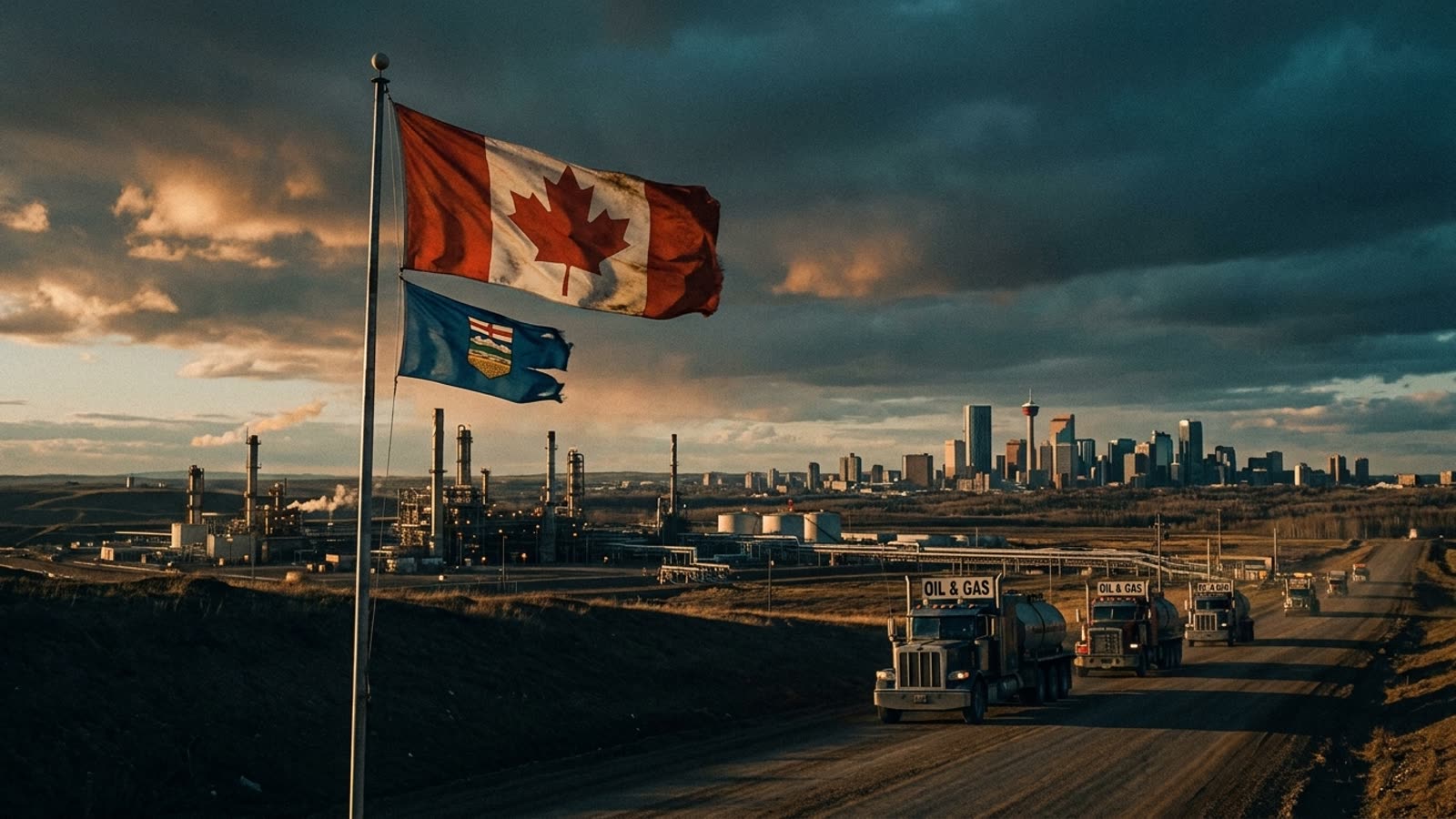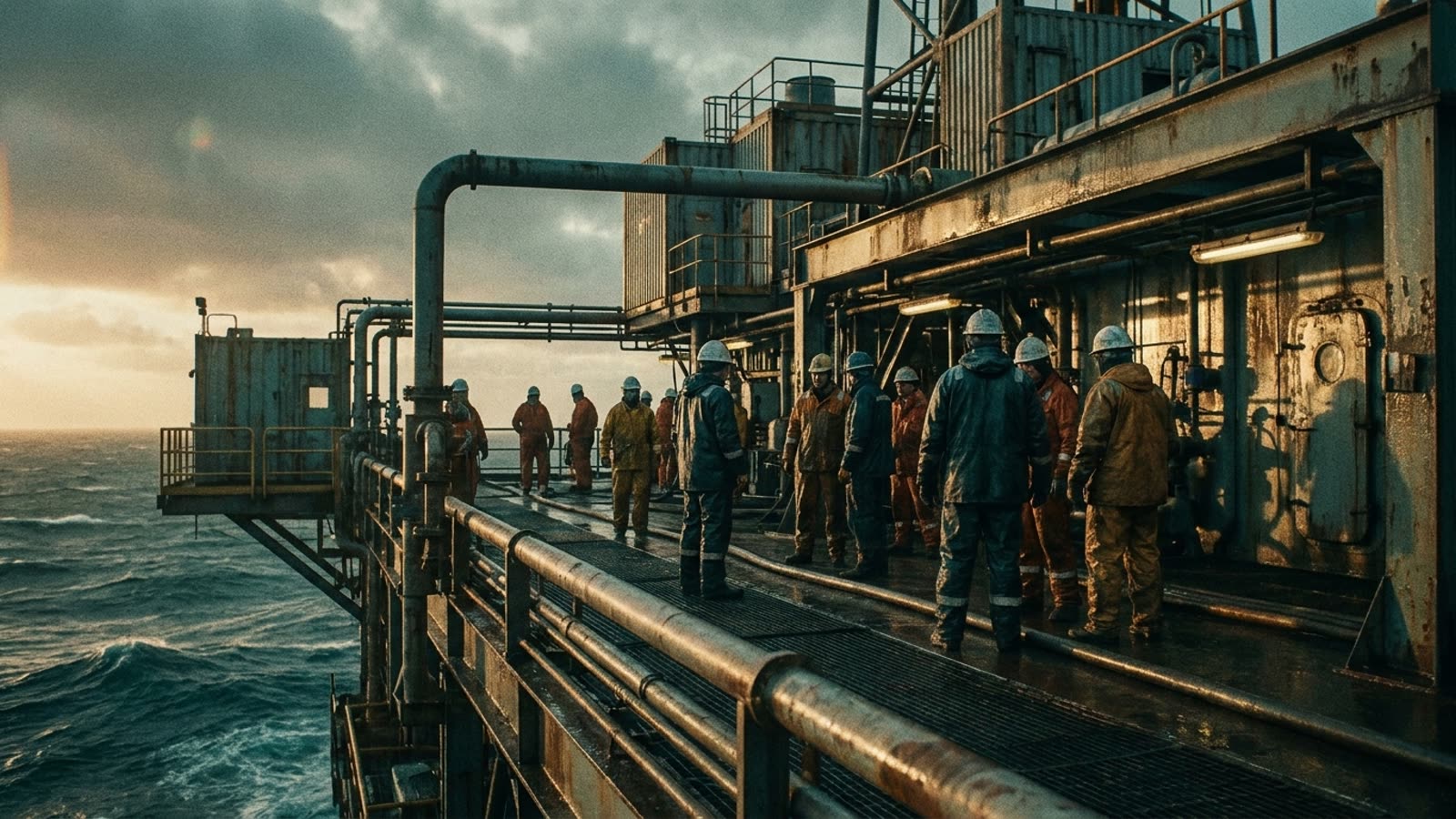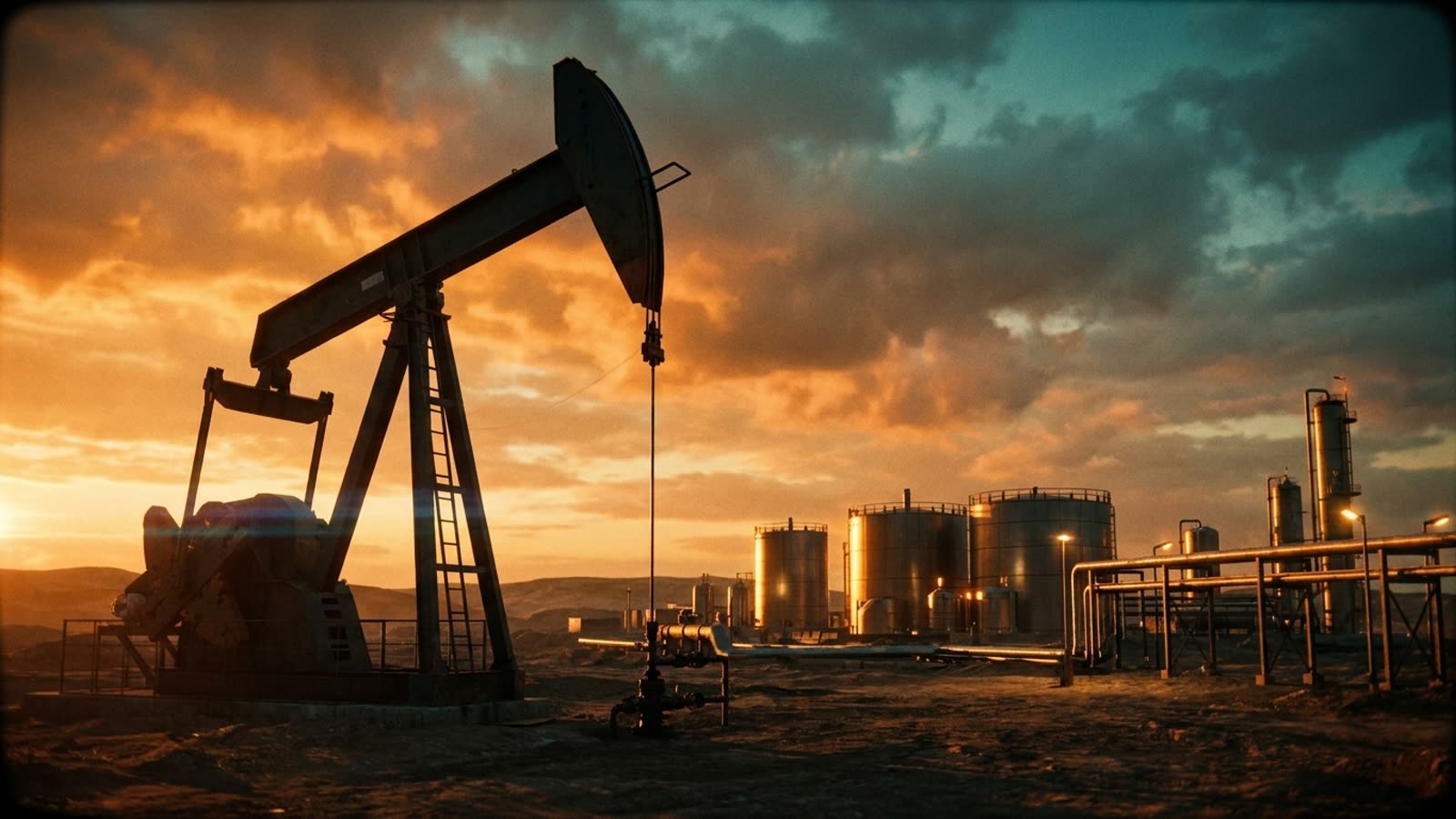
The Strait of Hormuz disruption that accompanied the Iran conflict has done what decades of energy-independence rhetoric could not: it has made the Americas the center of gravity for global oil production and investment.
The numbers are striking. Since hostilities began, Canada, the United States, Brazil, Guyana, and Argentina have collectively absorbed the lion's share of capital fleeing Middle Eastern exposure. Buyers who once accepted the geopolitical risk premium of Gulf crude—because the volumes were simply too large to ignore—have discovered that Western Hemisphere supply is deeper, more diversified, and considerably less likely to be interdicted by naval mines or missile strikes.
The new geography of energy security
For European and Asian importers, the lesson has been expensive but clarifying. When Hormuz transit became unreliable, the theoretical advantages of American shale, Canadian oil sands, and South American offshore fields became concrete necessities. Investment that might have trickled into these basins over a decade has arrived in months.
Guyana, a country of fewer than 800,000 people, now finds itself courted by every major international oil company. Brazil's pre-salt fields, once considered too technically demanding and too far from major markets, are suddenly ideally positioned. Argentina's Vaca Muerta shale formation—long dismissed as a stranded asset in a country with chronic macroeconomic dysfunction—is attracting serious capital for the first time.
The Gulf's uncertain future
The question now is whether this shift is cyclical or structural. Previous oil shocks eventually faded, and capital returned to wherever the geology was most favorable. But the Iran conflict has coincided with—and accelerated—two other trends: the long-term energy transition and growing investor wariness about autocratic petrostate risk.
Saudi Arabia and the UAE remain formidable producers with the lowest extraction costs on earth. But their customers are now diversifying with a urgency that suggests permanent portfolio rebalancing rather than temporary hedging. The premium that Gulf producers once commanded for reliability has inverted into a discount for instability.
Our take
Energy markets have short memories, and the Americas' newfound dominance will face its own challenges—pipeline politics, environmental litigation, and the eventual return of some Gulf supply. But the Iran war has accomplished something that seemed impossible five years ago: it has made the Western Hemisphere look like the safe bet. For producers from Calgary to Buenos Aires, the geopolitical chaos half a world away is the best thing that ever happened to their balance sheets.