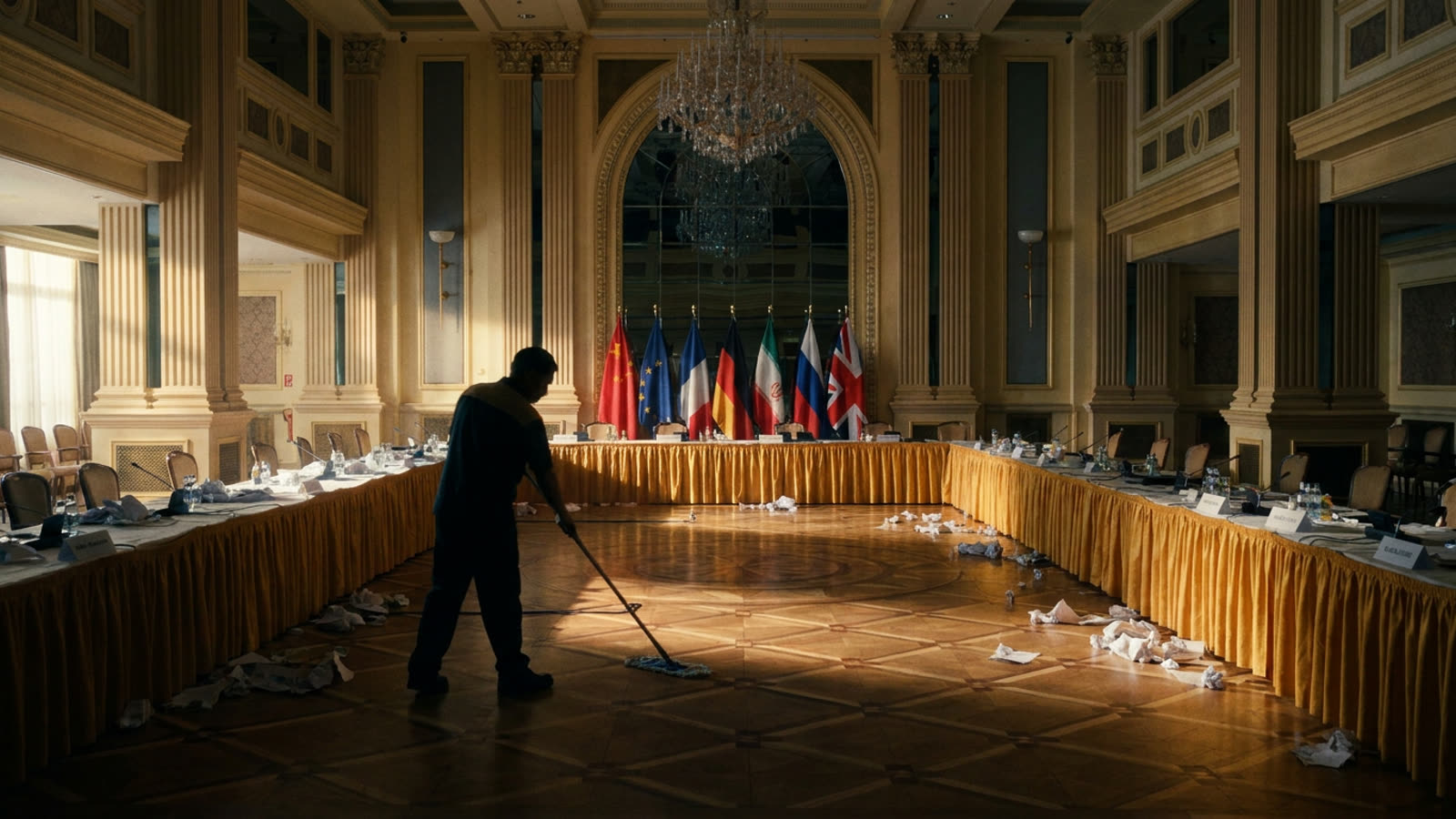
The 2015 Joint Comprehensive Plan of Action was, in Donald Trump's telling, "the worst deal ever negotiated." He withdrew the United States from it in 2018, reimposed crushing sanctions, and made its destruction a cornerstone of his first-term foreign policy. Now, with a comprehensive Iran peace agreement reportedly days away from signing, the administration is dusting off the very architecture it once torched.
The reversal is less hypocritical than it appears — and more revealing. Trump's objection to the JCPOA was never really about nonproliferation mechanics. It was about ownership. A deal negotiated by Barack Obama could not, by definition, be a good deal. A deal negotiated by Trump, even one borrowing liberally from its predecessor's verification protocols and enrichment caps, becomes the greatest diplomatic achievement in modern history.
What the original deal actually did
The JCPOA imposed strict limits on Iran's uranium enrichment, capped its stockpile, and subjected its nuclear facilities to intrusive international inspections. In exchange, the United States and European partners lifted nuclear-related sanctions. The agreement was imperfect — it did not address Iran's ballistic missile program or regional proxy activities — but it verifiably froze Tehran's path to a nuclear weapon.
After American withdrawal, Iran gradually breached the agreement's limits, enriching uranium to near-weapons-grade levels. The leverage that sanctions were supposed to provide instead accelerated the very proliferation risk they were meant to prevent.
The Sunday gambit
Trump's announcement that a comprehensive agreement will be signed Sunday has already drawn pushback from Tehran, which disputes the timeline. This is classic Trump negotiating theater: declare victory before the deal is done, forcing the other party to either play along or look like the obstacle. Iran's foreign ministry has pointedly noted that "significant details remain unresolved."
The broader context matters. The Pakistan-brokered peace framework announced earlier this week has created unexpected diplomatic momentum. Riyadh and Tehran are talking. The Gulf states smell an opportunity to lock in regional stability. Trump, ever alert to a signing ceremony, wants to claim credit for the entire realignment.
Why the framework looks familiar
Administration officials have been careful to avoid the phrase "JCPOA 2.0," but the emerging deal reportedly includes enrichment caps, enhanced IAEA access, and phased sanctions relief — the core elements of the agreement Trump abandoned. The additions appear to be modest: some language on ballistic missiles, vague commitments on regional behavior, and a longer sunset clause.
In other words, the same deal with a new cover page and a different president's signature.
Our take
There is nothing wrong with a president changing his mind when circumstances change. The problem is pretending circumstances, rather than ego, drove the original decision. Trump killed the JCPOA because Obama built it. He may now revive it because he can put his name on the resurrection. If the result is a verifiable freeze on Iran's nuclear program and reduced regional tensions, the cynicism is forgivable. But no one should mistake this for strategic consistency — it is branding, applied to geopolitics.