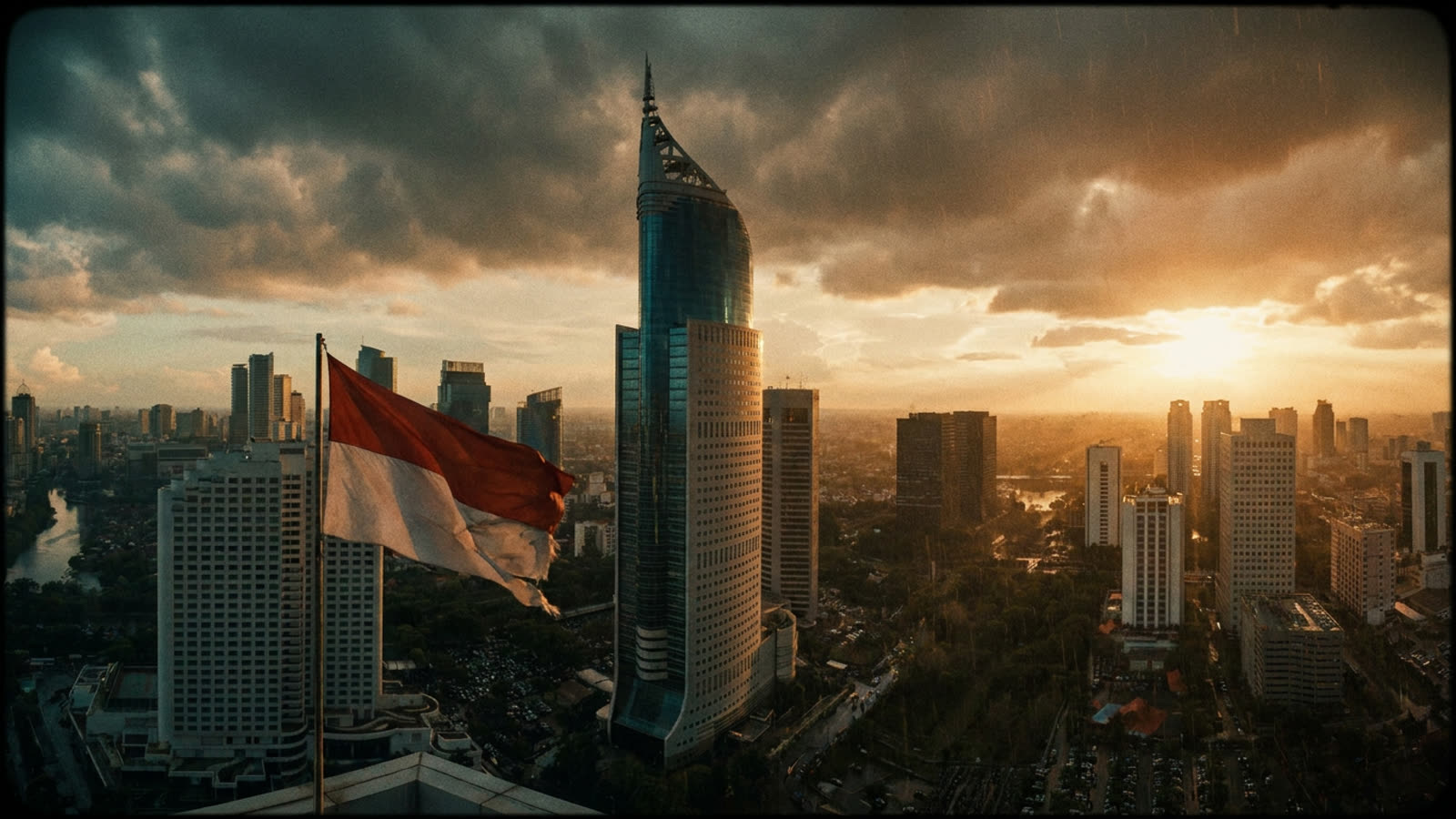
Indonesia's decision to block Polymarket lands at a curious moment: prediction markets have never been more vindicated, nor more vulnerable. The platform, which allows users to wager on everything from election outcomes to Federal Reserve decisions, has outperformed traditional polling with embarrassing consistency. Jakarta's response is to treat it like an offshore casino.
The Indonesian government's framing—"online gambling in disguise"—is technically defensible and intellectually lazy in equal measure. Yes, users stake money on uncertain outcomes. But the same description applies to commodity futures, insurance contracts, and most of venture capital. The distinction regulators draw is aesthetic, not functional: prediction markets feel like gambling because ordinary people can participate and the questions are legible to non-specialists.
The accuracy problem
Polymarket's track record creates a genuine headache for governments. During the 2024 U.S. presidential election, the platform's odds proved more reliable than aggregated polling. Similar patterns emerged in Brexit forecasting and central bank policy predictions. When a tool consistently outperforms credentialed experts, the experts' patrons grow uncomfortable.
Indonesia's ban follows restrictions in the United States, where Polymarket already blocks American users from most markets. France has investigated the platform. Singapore treats crypto prediction markets as unlicensed gambling. The pattern suggests regulators are less concerned with consumer protection than with information asymmetry—specifically, the asymmetry that emerges when markets reveal what insiders already know.
The Southeast Asian context
Jakarta's move carries particular weight given Indonesia's 280 million population and its government's broader ambitions in digital finance. The country has oscillated between crypto skepticism and cautious embrace, banning cryptocurrency as payment while permitting it as a commodity for trading. Prediction markets apparently fall on the wrong side of that line.
The timing also matters. Indonesia holds legislative elections in 2029, and the current administration has shown little appetite for tools that might quantify public sentiment outside official channels. A functioning prediction market on Indonesian politics would be, at minimum, awkward for incumbents.
Our take
Indonesia's ban is a reminder that prediction markets threaten something more fundamental than gambling laws: they threaten the monopoly on authoritative forecasting that governments and legacy media have long enjoyed. When a Telegram-adjacent platform staffed by anonymous traders consistently beats the New York Times polling average, someone's credibility suffers. The response—treating accurate information aggregation as vice—tells you more about the regulators than the regulated.