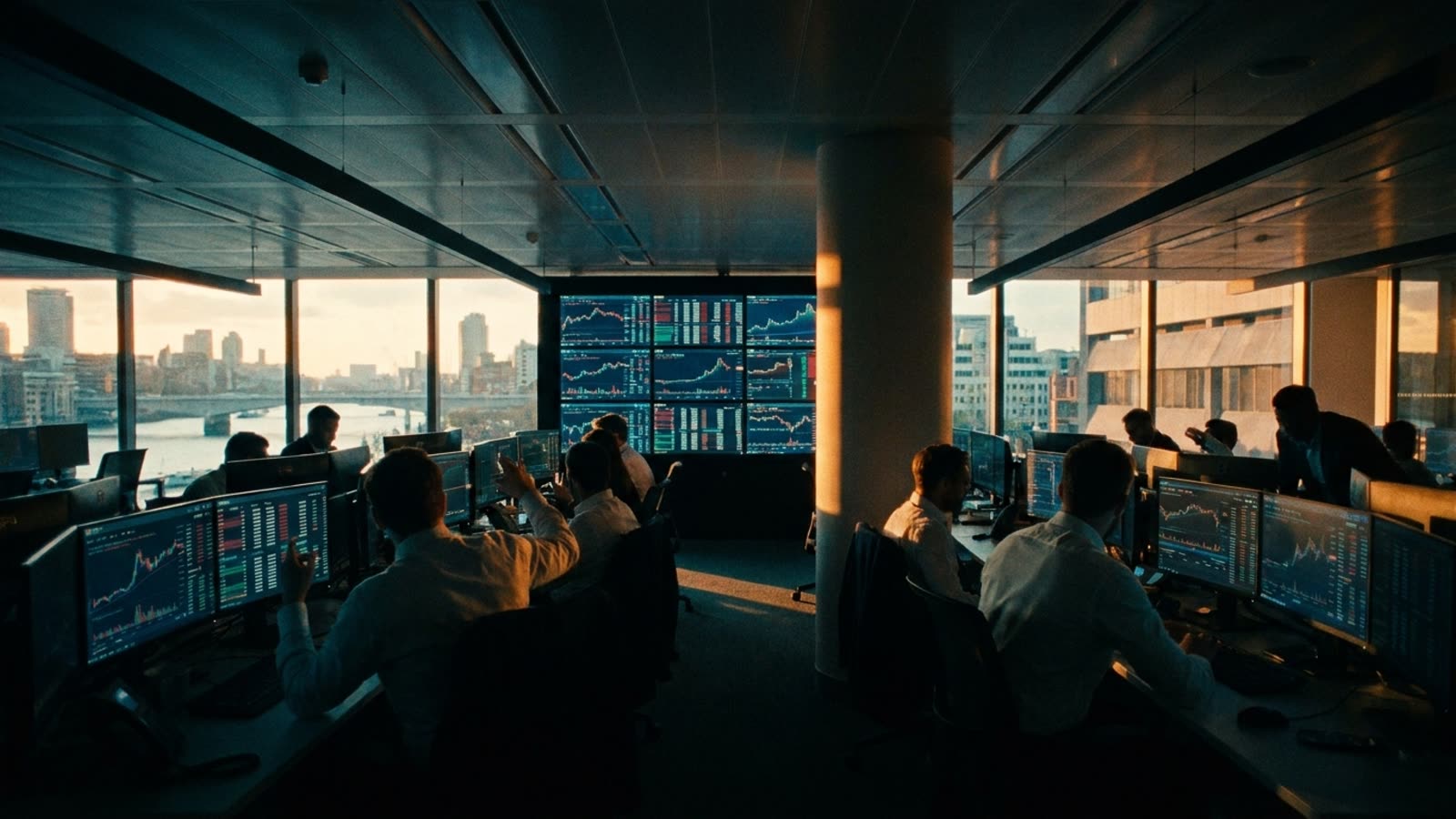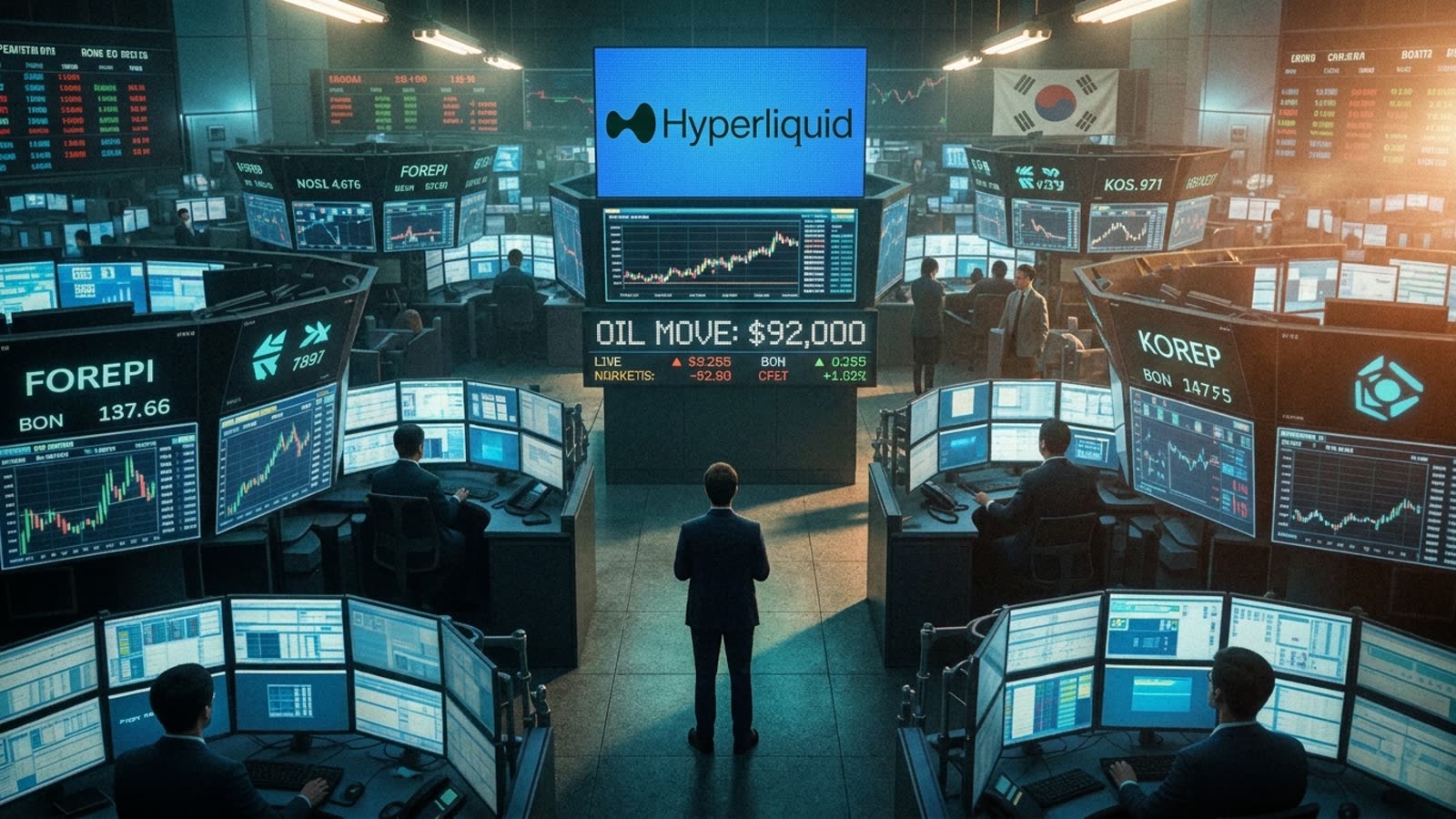
The most interesting oil trade of the quarter didn't happen on the NYMEX or ICE. It happened on a crypto derivatives platform that most energy traders have never heard of, and it was substantially complete before New York's opening bell.
According to an expert report circulating among institutional desks, Hyperliquid's perpetual futures markets predicted roughly 80% of a significant crude oil move before traditional exchanges had even opened for business. The finding is either a statistical curiosity or a canary in a coal mine for how commodity price discovery is evolving—and the answer matters enormously for anyone still assuming that regulated exchanges remain the center of gravity for global markets.
The 24/7 advantage
The mechanics are straightforward, even if the implications are not. Crypto-native perpetual exchanges operate around the clock, without the circuit breakers and session boundaries that define legacy markets. When news breaks at 3 a.m. Eastern—a drone strike, an OPEC statement, a refinery fire—Hyperliquid's oil contracts can reprice immediately. Traditional futures must wait for the opening auction.
This temporal arbitrage has existed in theory since crypto perps began listing commodity-adjacent contracts. What's new is the scale and accuracy of the lead. An 80% anticipation rate suggests these markets aren't just reacting to the same information faster; they may be aggregating information that traditional markets haven't yet incorporated.
Liquidity follows information
The uncomfortable truth for Chicago and London is that liquidity gravitates toward the best price signals, not toward regulatory imprimatur. If crypto venues consistently lead price discovery, sophisticated capital will migrate—first for information, then for execution. The CME's moat has always been its network effects and the legal certainty of its contracts. Neither advantage is permanent if a faster, more accurate signal exists elsewhere.
Skeptics will note that Hyperliquid's volumes remain a fraction of traditional markets, and that one well-timed call doesn't establish a pattern. Both points are valid. But the trajectory matters more than the snapshot. Two years ago, the idea of a crypto exchange leading oil price discovery would have been dismissed as absurd. Today it's a data point in an expert report.
Our take
This isn't a story about crypto triumphalism. It's a story about what happens when legacy infrastructure encounters always-on alternatives. The energy trading establishment can ignore Hyperliquid, mock it, or study it—but the one thing it cannot do is pretend the lead didn't happen. Price discovery is a competitive sport, and the incumbents just learned they're not the only team on the field.