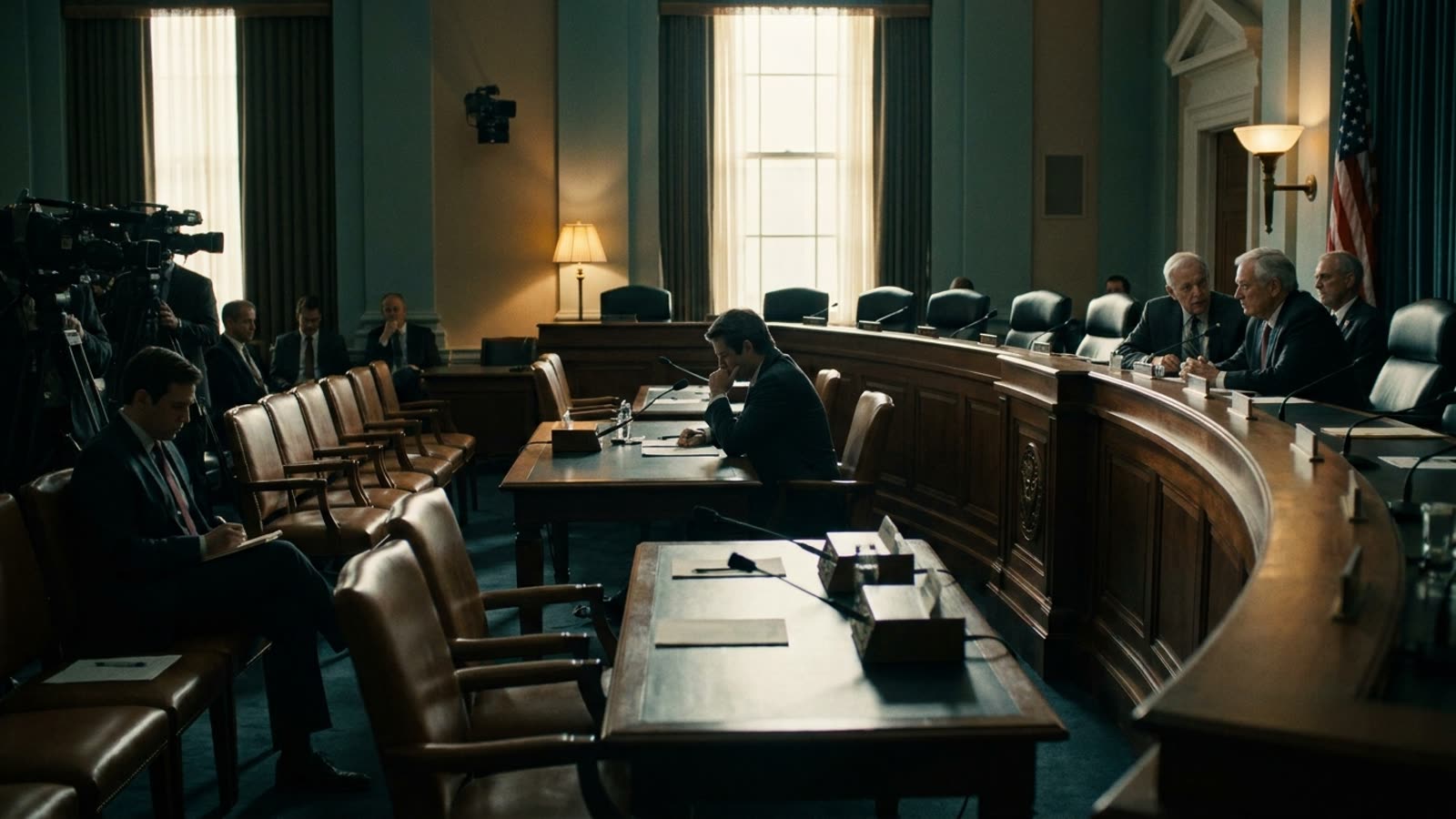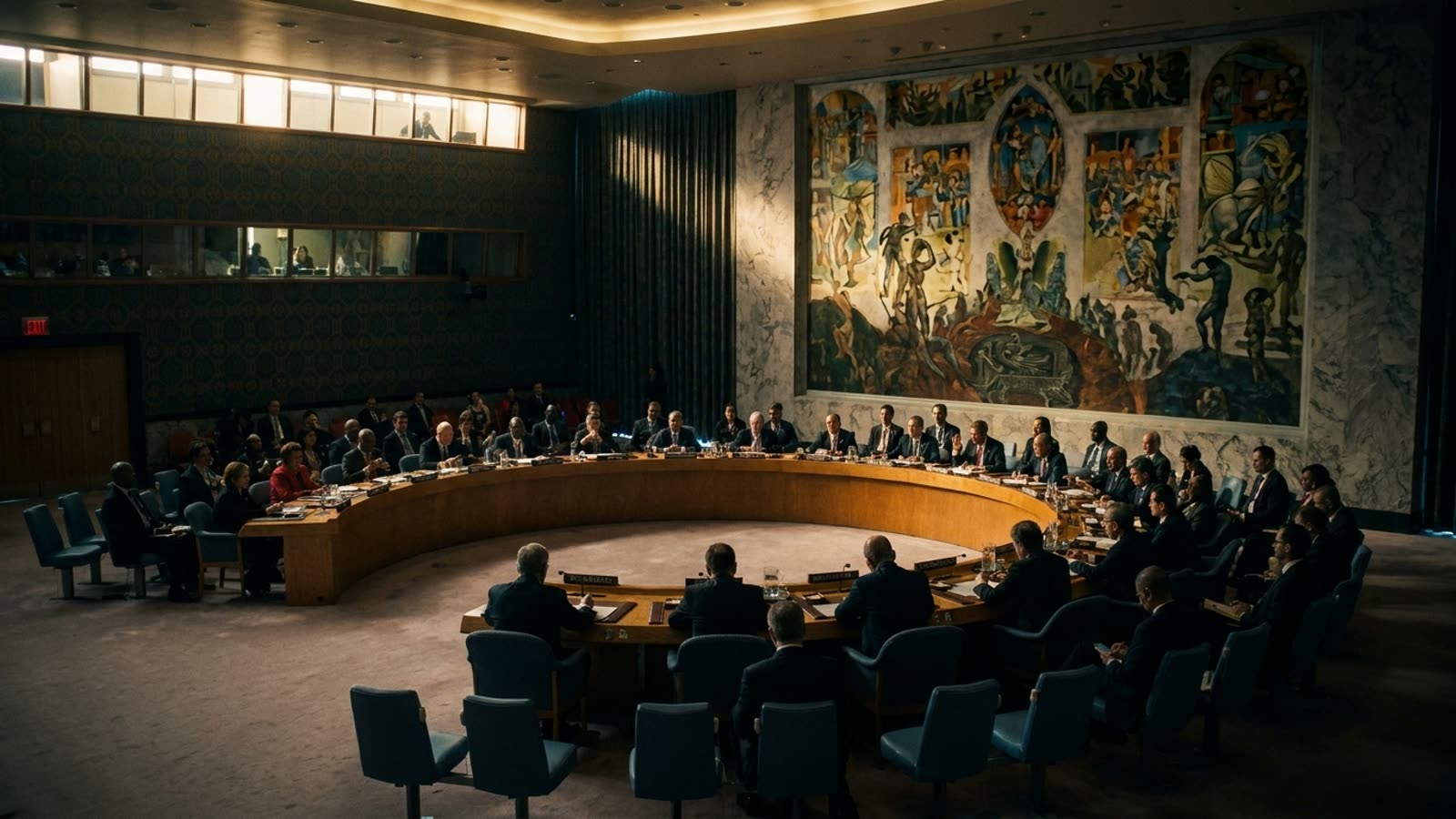
The Security Council meets in a horseshoe-shaped chamber on Manhattan's East Side, and its fifteen members can, in theory, authorize war, impose sanctions, or dispatch peacekeepers anywhere on Earth. In practice, the body is a study in elegant dysfunction — a machine engineered in 1945 to preserve great-power consensus, now grinding against a world that has changed beyond recognition.
The architecture of paralysis is straightforward. Five permanent members — the United States, Russia, China, France, and the United Kingdom — each hold an absolute veto. A single "no" from any of them kills a resolution, regardless of how the other fourteen vote. The remaining ten seats rotate among the broader UN membership, elected for two-year terms, but their voices are advisory in all but name. When the P5 agree, the Council can move with startling speed; when they do not, it becomes a forum for theatrical condemnation and little else.
The veto as insurance policy
The veto was not an accident or a concession wrung from reluctant democracies. It was the price of admission. Franklin Roosevelt and his wartime allies understood that no great power would submit to a body capable of overruling its core interests. The veto guaranteed that the UN could never be turned against its own architects — a feature, not a bug, for the victors of the Second World War. Stalin insisted on it; Churchill endorsed it; the US Senate would never have ratified the Charter without it.
The result is a body that functions well when the permanent members' interests align — authorizing the Gulf War coalition, for instance, or imposing sanctions on North Korea — and freezes when they diverge. The Cold War produced decades of deadlock. The post-Cold War thaw briefly suggested a new era of cooperation, but the return of great-power rivalry has restored the old pattern.
Reform as ritual
Proposals to expand or restructure the Council surface with metronomic regularity. India, Brazil, Germany, and Japan have long sought permanent seats. African nations argue the continent deserves representation commensurate with its population. Yet every reform effort collides with the same obstacle: amending the UN Charter requires ratification by two-thirds of member states, including all five current permanent members. No P5 nation has shown enthusiasm for diluting its own privilege, and several have quietly opposed specific candidates. The veto, in other words, protects itself.
Some scholars advocate procedural workarounds — voluntary restraint on vetoes in cases of mass atrocity, or shifting more authority to the General Assembly. France and Mexico have championed a "responsibility not to veto" initiative, though it remains non-binding and largely symbolic. The Assembly's "Uniting for Peace" resolution allows it to convene when the Council is deadlocked, but its recommendations lack enforcement teeth.
Why it still matters
Despite its limitations, the Council retains unique legal authority. Its resolutions under Chapter VII of the Charter are binding international law; no other body can authorize the use of force with equivalent legitimacy. Peacekeeping missions, arms embargoes, and international criminal referrals all flow through this channel. Even paralysis carries meaning: a vetoed resolution signals where the fault lines lie and shapes the diplomatic terrain for whatever comes next.
The Council also serves as a pressure valve. Adversaries who might otherwise have no structured contact meet regularly in New York, their diplomats sharing elevators and coffee. The chamber's rituals — the rotating presidency, the formal consultations, the carefully choreographed statements — create a grammar for managing conflict short of war. It is an imperfect grammar, but it exists.
Our take
The Security Council is neither the parliament of mankind its idealists hoped for nor the irrelevant debating society its critics dismiss. It is a mechanism calibrated for a world that no longer exists, yet indispensable precisely because no replacement commands comparable legitimacy. Reforming it would require the very consensus it cannot produce. The honest conclusion is unsatisfying but accurate: the Council will continue to function exactly as designed — brilliantly when the great powers agree, and not at all when they do not.