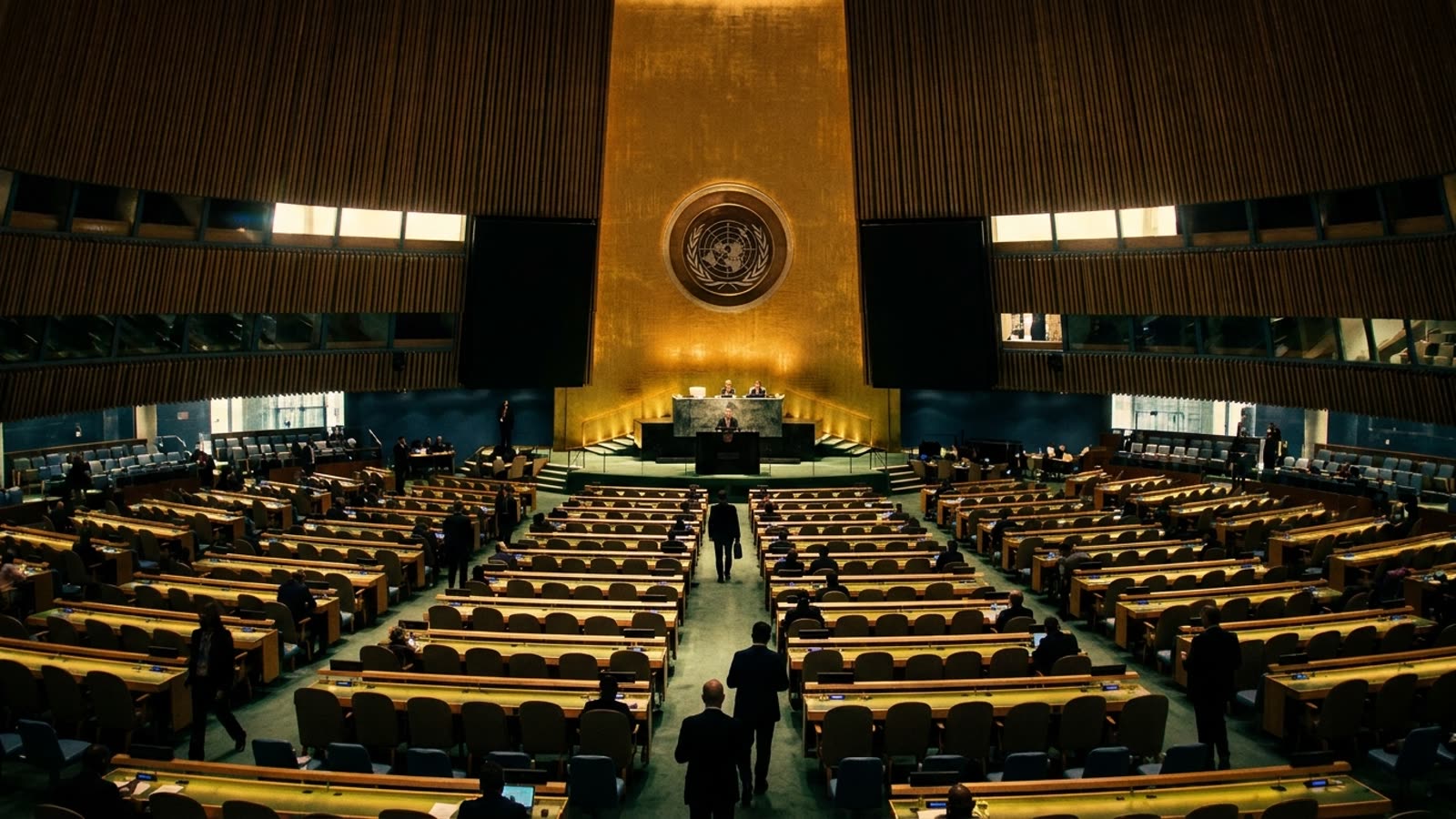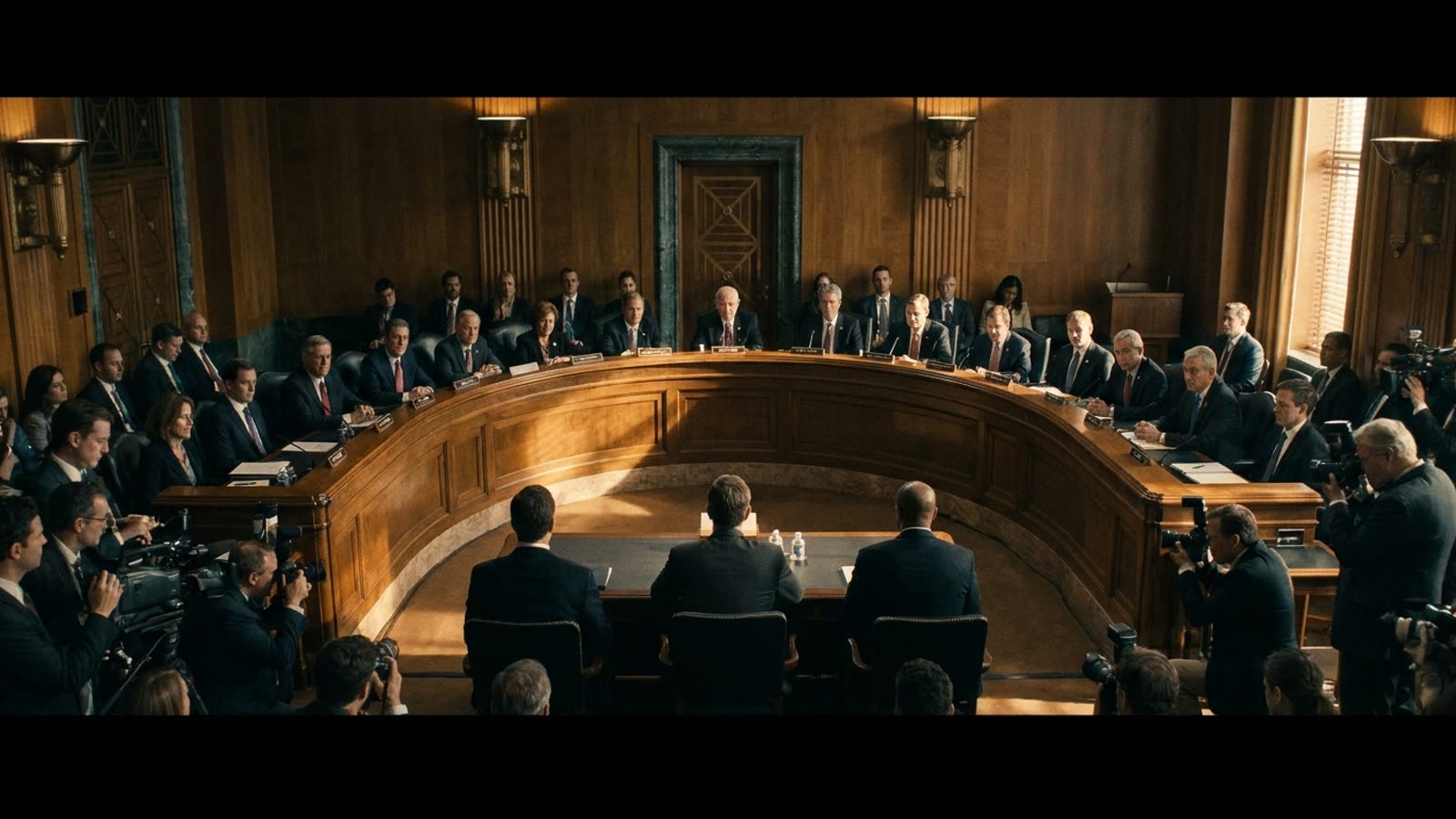
The framers of the Constitution devoted exactly one sentence to Supreme Court nominations: the president "shall nominate, and by and with the Advice and Consent of the Senate, shall appoint" justices. From that sparse instruction emerged a process that now consumes billions of dollars, mobilizes armies of activists, and shapes American law for generations.
The confirmation of a Supreme Court justice is often described as a job interview. This is misleading. It is closer to a political campaign without a popular vote, conducted under the pretense of evaluating legal qualifications while actually litigating the future of contested rights.
The machinery behind the curtain
Long before a nominee faces senators under television lights, a shadow process determines who reaches that stage. Modern presidents inherit shortlists curated by ideological gatekeepers — the Federalist Society on the right, the American Constitution Society on the left — who have spent decades identifying, cultivating, and vetting potential justices. This infrastructure means nominees arrive pre-approved by their ideological coalition, their judicial philosophies already documented across years of speeches, articles, and lower-court opinions.
The Senate Judiciary Committee, which conducts public hearings, operates under rules that have calcified into ritual. Nominees have learned, since Robert Bork's candid 1987 testimony doomed his nomination, to say almost nothing of substance. They praise precedent without committing to it, describe their judicial philosophy in abstractions, and deflect questions about specific cases as hypotheticals they cannot prejudge. Senators, knowing this, ask anyway — performing outrage or admiration for their respective bases rather than extracting information.
When the rules became weapons
The modern confirmation battle traces to a series of norm destructions that each side blames on the other. Democrats point to the Republican Senate's refusal to hold hearings for Merrick Garland in 2016, leaving a seat vacant for nearly a year on the theory that voters should decide in the upcoming presidential election. Republicans counter that Democrats initiated hostilities with the Bork hearings and escalated by eliminating the filibuster for lower-court nominees in 2013, a precedent Republicans extended to Supreme Court nominees in 2017.
What both accounts share is the underlying truth: the filibuster's elimination transformed confirmation from a sixty-vote supermajority requirement — which demanded some bipartisan support — into a simple majority exercise. A president whose party controls the Senate can now confirm any nominee, regardless of opposition. This change converted Supreme Court seats from consensus positions into partisan prizes.
Our take
The confirmation process has become precisely what it pretends not to be: a naked exercise in political power dressed in the robes of judicial temperament. The pretense of evaluating qualifications fools no one, yet all participants maintain it because the alternative — openly acknowledging that courts are political institutions staffed through political combat — would undermine the legitimacy that makes judicial review function. This collective fiction may be the confirmation process's most revealing feature. Everyone knows the game, yet everyone agrees to keep playing it, because the alternative is admitting that nine unelected lawyers wield power that no democratic theory can fully justify.