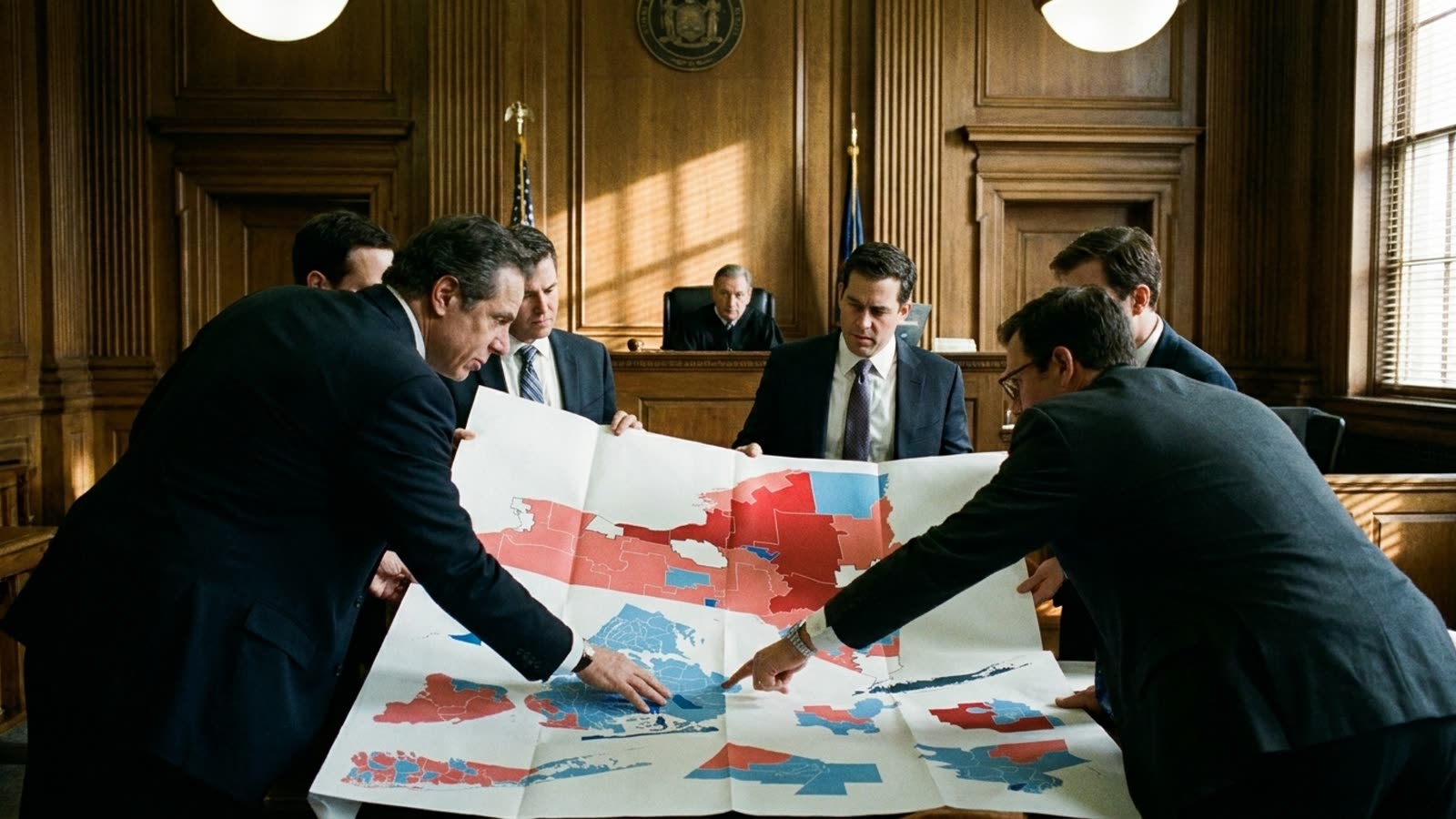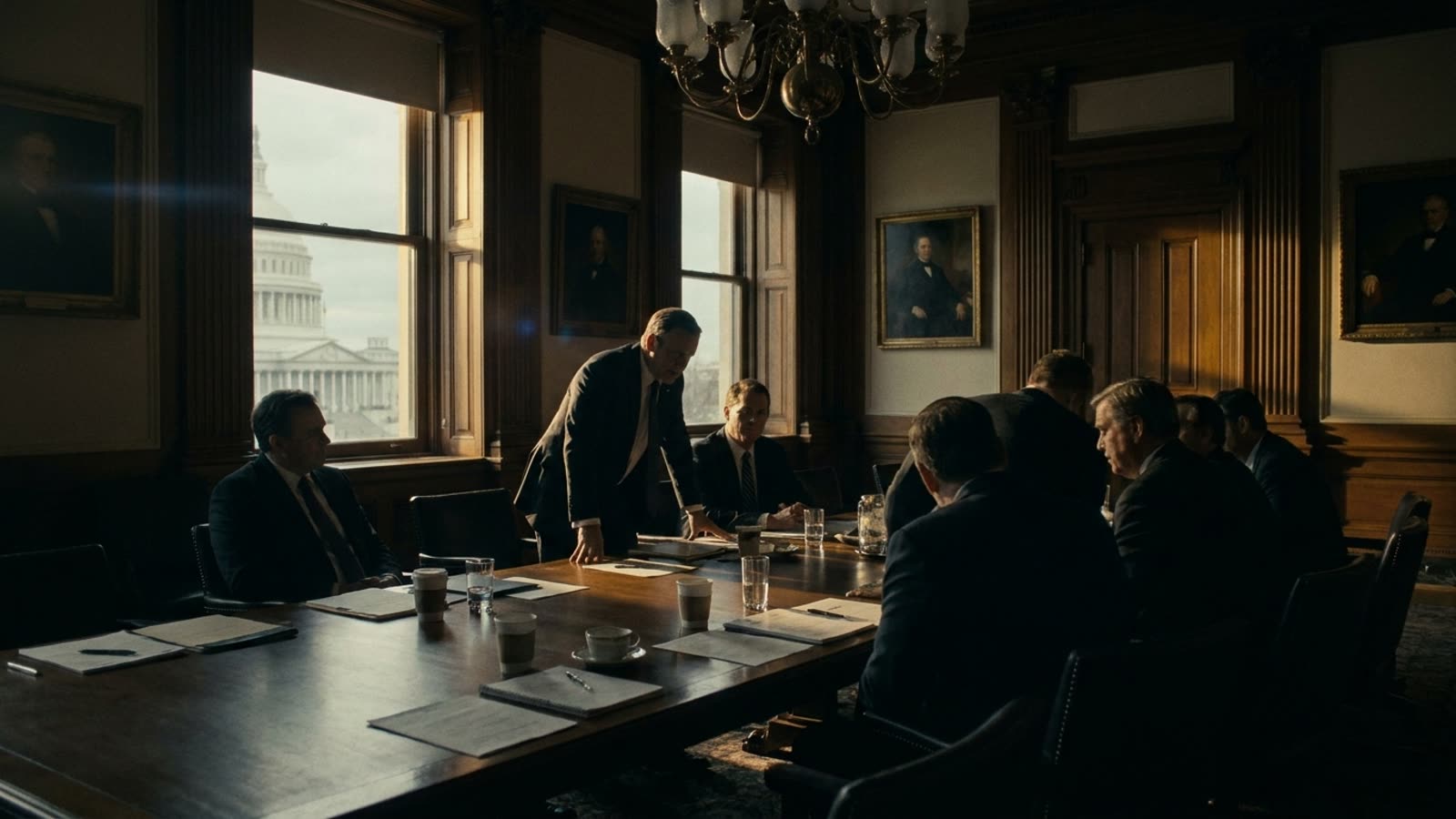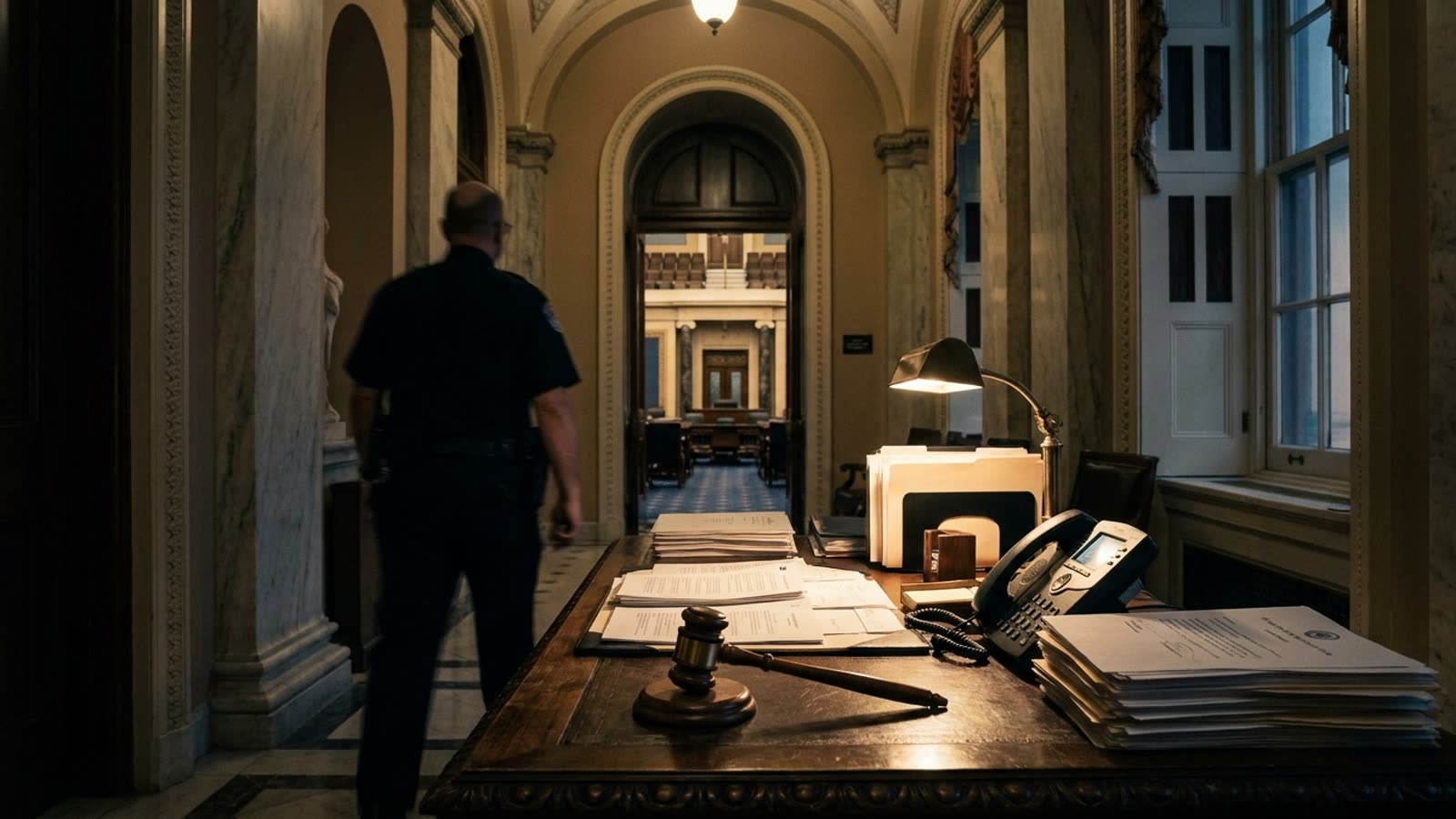
The Speaker of the United States House of Representatives is second in the presidential line of succession, yet most Americans could not explain what the job actually entails beyond banging a gavel and looking stern during State of the Union addresses. This gap between constitutional prominence and public comprehension matters enormously, because the Speaker wields power that shapes legislation more decisively than any committee chair, whip, or even the President in many circumstances.
The role's true authority lies not in what the Speaker does publicly but in what they prevent from happening at all.
The power of the calendar
Every bill that reaches the House floor must be scheduled by the Speaker, either directly or through the Rules Committee, which the Speaker effectively controls. This means that even legislation with overwhelming bipartisan support can languish indefinitely if it conflicts with the Speaker's strategic priorities. The so-called Hastert Rule—an informal practice named after former Speaker Dennis Hastert—dictates that bills should only reach the floor if a majority of the majority party supports them. This gives the Speaker veto power over the legislative agenda that exceeds anything in the formal rules.
Consider what this means in practice: a bill could have enough votes to pass if brought to the floor, yet never receive a vote because the Speaker judges it politically inconvenient for their caucus. The Speaker does not merely preside over debate; they decide whether debate occurs.
Carrots, sticks, and committee assignments
The Speaker's influence extends deep into members' careers. Committee assignments—which determine a representative's policy portfolio, fundraising appeal, and path to prominence—flow through the Speaker's office. A first-term member who defies leadership on a crucial vote may find themselves relegated to oversight of fisheries rather than finance. Conversely, loyalty is rewarded with plum assignments that boost reelection prospects.
This patronage system operates alongside the Speaker's control over campaign resources. The Speaker typically leads fundraising efforts for the party's congressional campaign committee, meaning they can direct money toward allies and away from troublesome backbenchers. In an era when competitive House races cost millions, this financial leverage is not subtle.
The fragility beneath the power
Yet for all this authority, the Speaker occupies a position of peculiar vulnerability. They must be elected by a majority of the full House at the start of each Congress, and they can be removed mid-term through a motion to vacate the chair. This means a Speaker governing with a narrow majority is perpetually hostage to their most extreme members, who can threaten chaos at any moment. The role requires simultaneously projecting strength to the public, flexibility to the caucus, and menace to potential defectors—a combination that exhausts even the most skilled politicians.
Our take
The Speaker's office represents American democracy's most consequential bottleneck, a chokepoint where popular will meets institutional prerogative and frequently loses. Understanding this dynamic is essential for anyone who wonders why broadly supported policies fail to become law while narrow partisan priorities sail through. The gavel is not ceremonial; it is a weapon, and knowing how it gets swung explains more about Washington than any campaign speech ever will.