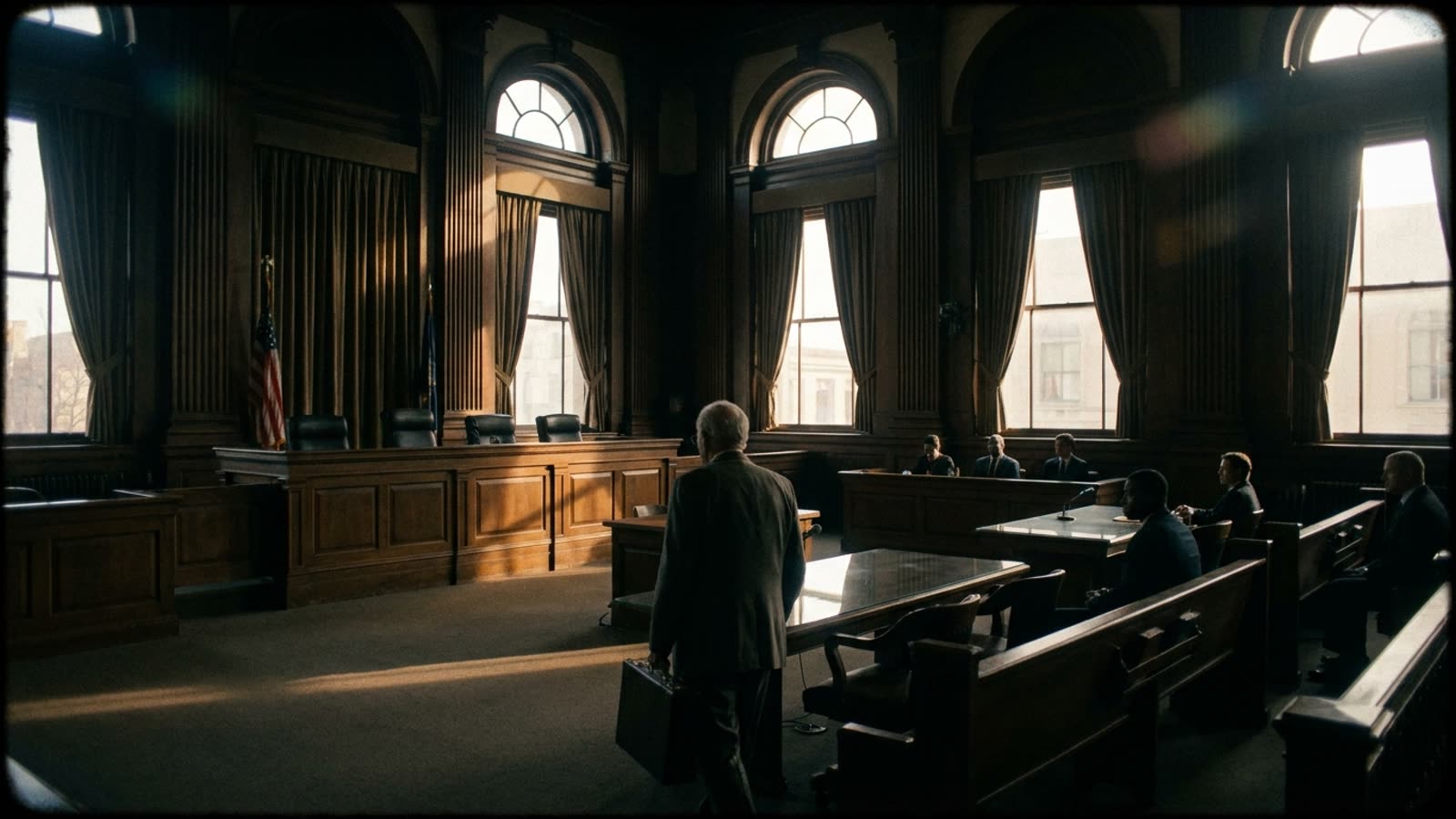
The American political calendar contains a peculiar window of governance that operates under different rules than the rest of the year. Between early November, when voters cast their ballots, and late January, when new officials take office, outgoing legislators and executives wield power without facing electoral consequences. This interregnum has produced some of the most significant—and most contested—acts in American political history.
The term itself derives from eighteenth-century British stock market slang for traders who could not pay their debts, suggesting someone hobbled and ineffective. The American application inverts this meaning entirely. Freed from voter accountability, lame duck sessions often prove remarkably productive, though whether that productivity serves democratic ideals remains perpetually contested.
The constitutional architecture
The original Constitution created an even longer interregnum. Until the Twentieth Amendment's ratification in 1933, presidents were inaugurated on March 4, leaving a four-month gap between election and transition. The amendment's framers explicitly sought to reduce the lame duck period, arguing that defeated legislators should not continue making laws the electorate had implicitly rejected. Yet the compressed timeline that remains—roughly eleven weeks—still provides ample opportunity for consequential action.
Congress typically schedules a lame duck session between Thanksgiving and Christmas, and these sessions have grown more legislatively ambitious over recent decades. The dynamic intensifies when control of a chamber is shifting: outgoing majorities face a use-it-or-lose-it calculation that encourages aggressive action on priorities they know will die under new management.
Historical precedents and patterns
The pattern recurs with striking regularity. Major tax legislation, government funding bills, and judicial confirmations frequently occur during these sessions. Presidents facing term limits or electoral defeat have used the period to issue waves of executive orders, finalize regulations, and grant pardons that would have proved politically costly earlier. The compressed timeline and reduced media attention—the holiday season provides natural cover—enable actions that might otherwise face sustained opposition.
Critics across the political spectrum have objected to this dynamic. The core argument is straightforward: officials who have been voted out, or who will never face voters again, lack democratic legitimacy to make binding decisions. Defenders counter that the Constitution provides fixed terms, not provisional ones, and that elected officials retain full legal authority until their successors are sworn in. Both positions have merit, which is why the debate persists.
Our take
The lame duck session represents a genuine tension in democratic theory between legal continuity and electoral accountability. There is no clean resolution. What observers can do is pay closer attention to this period, which receives far less scrutiny than it deserves given its legislative output. The laws passed between Thanksgiving and New Year's Eve often outlast the politicians who enacted them by decades. That alone should earn the season more than a distracted glance.