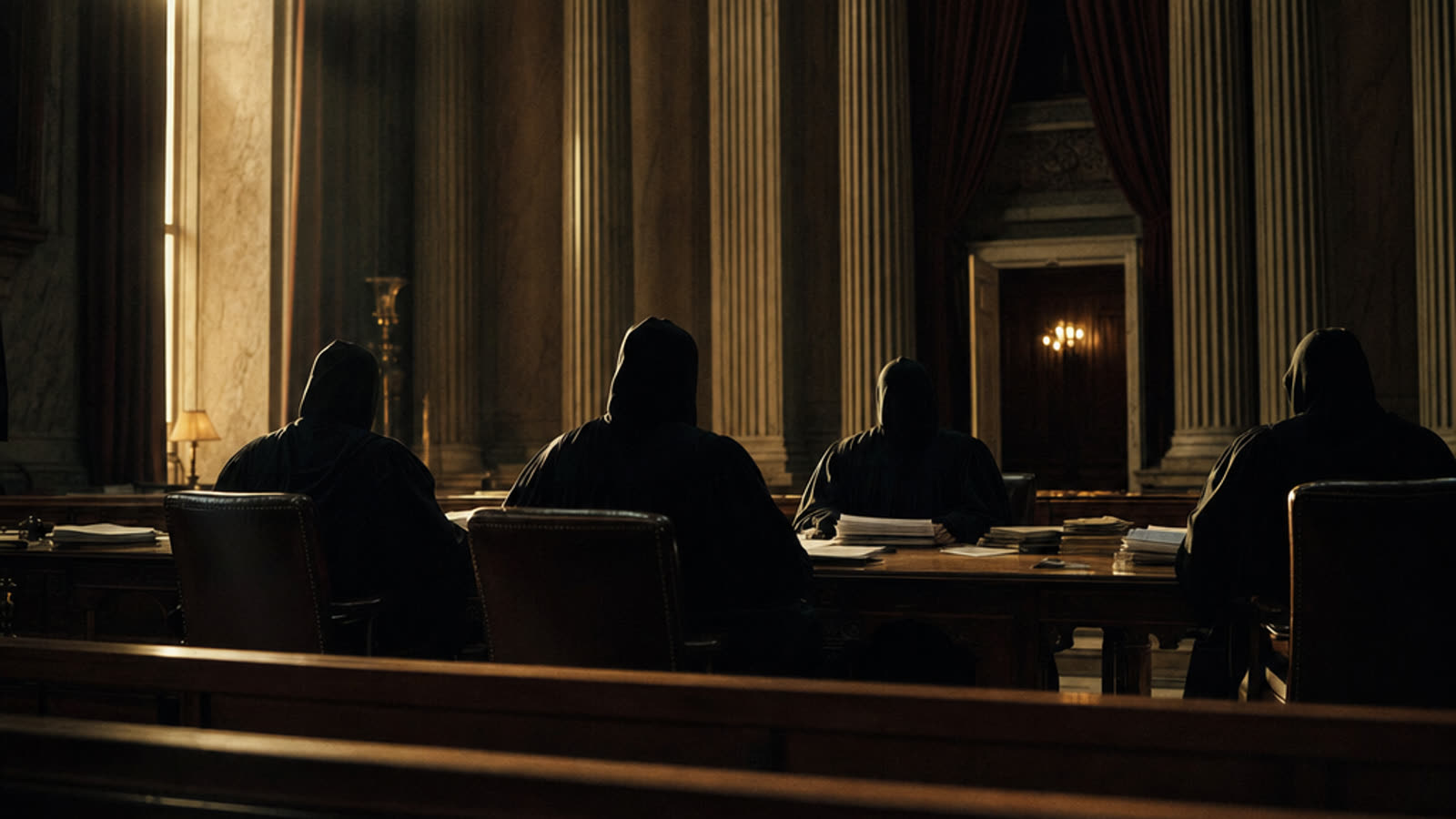
The most consequential foreign policy decisions of the modern era have often been shaped not in cabinet rooms or legislative chambers, but in windowless offices where unelected analysts compile threat assessments that frame what leaders believe is possible.
This is not conspiracy; it is bureaucratic reality. Intelligence agencies occupy a peculiar position in democratic governance: they possess information that elected officials need but cannot independently verify, they cultivate relationships with foreign actors that outlast any administration, and they maintain institutional memories that span decades while political appointees cycle through every few years. The result is a structural asymmetry that tilts the playing field toward the permanent state.
The power of the first draft
Consider how a president or prime minister learns about a foreign crisis. They do not dispatch their own observers or conduct independent research. They receive a briefing—a document prepared by career intelligence officers who decide what information is relevant, how it should be contextualized, and what options merit consideration. This editorial function is enormously powerful. The framing of a threat shapes the range of acceptable responses. An adversary described as irrational invites different policies than one characterized as a rational actor responding to legitimate grievances.
The Central Intelligence Agency's influence over American foreign policy has waxed and waned, but its structural advantages remain constant. The agency maintains stations in nearly every country, cultivates sources across decades, and employs regional specialists who have forgotten more about their portfolios than most political appointees will ever learn. Similar dynamics play out in Britain's MI6, Israel's Mossad, and virtually every major power's intelligence apparatus.
Covert action and policy momentum
Beyond analysis, intelligence agencies conduct operations that create facts on the ground—facts that subsequent administrations must accommodate. A covert program to arm a rebel group generates dependencies and expectations that cannot be easily unwound. A relationship with a foreign intelligence service creates mutual obligations that transcend any single policy dispute. These accumulated commitments constitute a kind of shadow foreign policy that runs parallel to, and sometimes contrary to, the stated positions of elected governments.
The phenomenon is not uniquely American. France's DGSE has maintained relationships in former colonies that have outlasted multiple republics. Russia's intelligence services preserved networks and influence even through the Soviet collapse. The institutional imperative to protect sources, methods, and ongoing operations creates powerful incentives to resist political oversight that might compromise them.
The accountability gap
Democratic theory assumes that voters can hold leaders accountable for policy outcomes. But when significant policy is conducted through classified channels, accountability becomes theoretical. Legislative oversight committees operate under secrecy constraints that prevent them from informing constituents about what they have learned. Whistleblowers face prosecution. Journalists who report on intelligence activities risk criminal liability.
The tension is genuine and perhaps irresolvable. Effective intelligence requires secrecy; democratic accountability requires transparency. Every democracy has attempted some balance, but the scales consistently tip toward the agencies, which control the information needed to evaluate their own performance.
Our take
None of this means intelligence agencies are malevolent or that their influence is necessarily harmful. Many interventions have prevented conflicts; many assessments have been accurate and valuable. But the structural reality deserves more attention than it receives. When we debate foreign policy, we are often debating the visible portion of an iceberg whose mass lies beneath the waterline. The permanent intelligence bureaucracy is not a conspiracy—it is simply how modern states actually function, whether we acknowledge it or not.