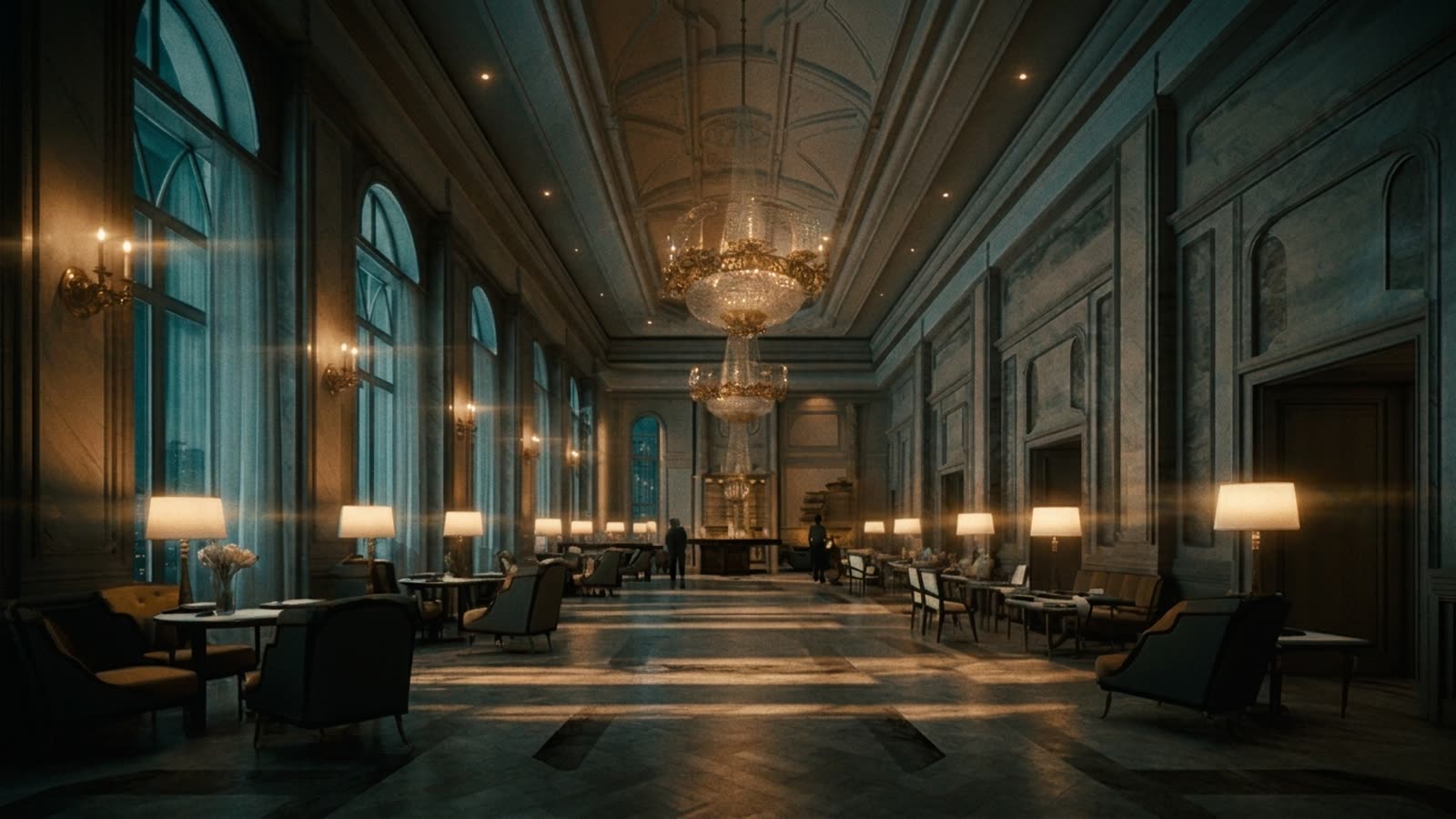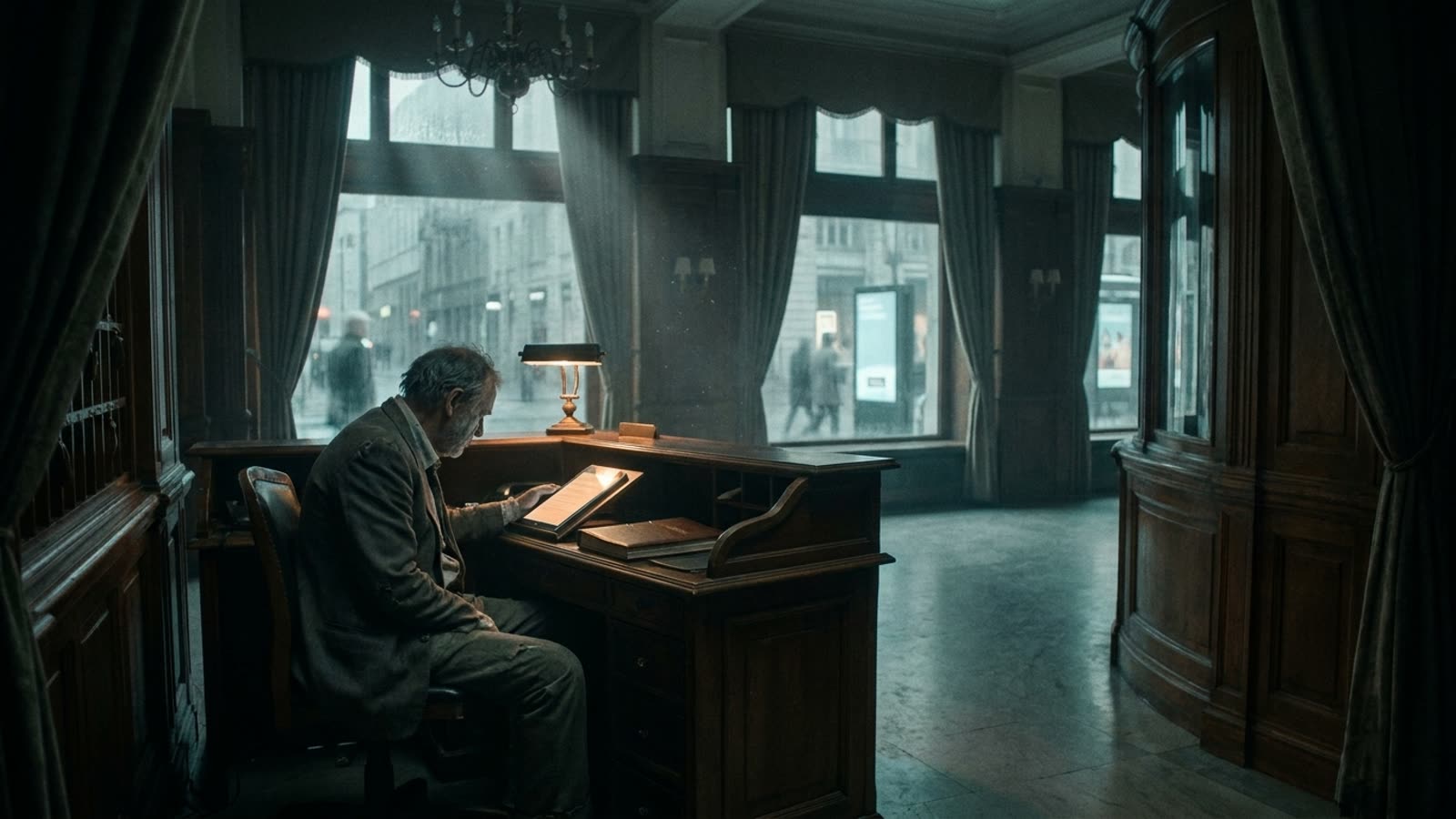
The great concierges were never merely helpful. They were urban intelligence officers operating from mahogany desks, maintaining mental databases of restaurant maître d's, theater box office managers, florists who could produce peonies at midnight, and doctors who made house calls to hotel suites. Their power derived from knowing things that couldn't be Googled—because nothing could be Googled.
The profession emerged in its modern form from the grand European hotels of the late nineteenth century, though its roots trace to the medieval French keepers of castle keys. By the mid-twentieth century, the concierge desk had become a kind of shadow embassy within the hospitality world, a place where the right introduction could secure impossible dinner reservations or last-minute opera tickets. The best practitioners cultivated networks over decades, trading favors with headwaiters and theater managers, building the social capital that allowed them to work small miracles for guests.
The smartphone disruption
The iPhone arrived and rewrote the entire value proposition. Suddenly every traveler possessed instant access to restaurant reviews, real-time availability, and the collective wisdom of millions of previous visitors. The concierge's informational monopoly—knowing which bistro served the best sole meunière, which museum closed early on Tuesdays—evaporated almost overnight. Hotels began quietly reducing concierge staffing or eliminating dedicated desks entirely, replacing them with "guest experience" roles that blurred into general front-desk functions.
The numbers tell a stark story. Les Clefs d'Or, the international association of professional concierges whose members wear the distinctive crossed golden keys on their lapels, has watched its membership in some markets decline substantially over the past fifteen years. Younger travelers often bypass the desk entirely, preferring to curate their own experiences through apps and social media recommendations from strangers whose taste they trust more than a hotel employee's.
What algorithms cannot replicate
Yet something valuable is being lost in this efficiency gain. A skilled concierge practices a form of applied psychology, reading guests within moments of their approach—assessing whether they want adventure or comfort, whether they're celebrating or escaping, whether they need to impress a client or reconnect with a spouse. The best recommendations emerged not from comprehensive data but from human judgment about what a particular person actually needed, which was often different from what they asked for.
There's also the matter of accountability. A concierge who sends you to a disappointing restaurant has failed in a way that matters to their professional reputation and ongoing relationship with that establishment. An algorithm that surfaces a mediocre option has no such stake. The concierge system, at its best, was a web of mutual obligation and earned trust that produced genuinely curated experiences rather than optimized search results.
The luxury market's bet
The highest-end hotels are making a calculated wager that the concierge function will survive as a luxury good precisely because it has become unnecessary for most travelers. When information is free, human attention becomes the scarce commodity. Properties like the Aman resorts and certain Rosewood hotels have actually expanded their concierge services, positioning deep local knowledge and personal relationships as part of the premium experience—the hospitality equivalent of a bespoke suit in an era of fast fashion.
Whether this market is large enough to sustain the profession's traditional training pipelines remains uncertain. Becoming a skilled concierge once meant years of apprenticeship, learning a city's hidden geography and cultivating relationships that took decades to mature. If only a handful of ultra-luxury properties maintain serious concierge programs, the craft may survive but the depth of expertise could shallow out.
Our take
The concierge's decline reflects a broader cultural shift toward self-service that we've embraced in nearly every domain, from banking to travel booking to medical diagnosis. We've gained convenience and lost something harder to name—the experience of being genuinely taken care of by someone whose job is to know more than we do about where we are. The smartphone made us all capable amateurs, which is fine until you realize that amateur knowledge and professional judgment are not the same thing. The last great concierges are retiring now, taking with them mental maps of their cities that no database will ever fully replicate.