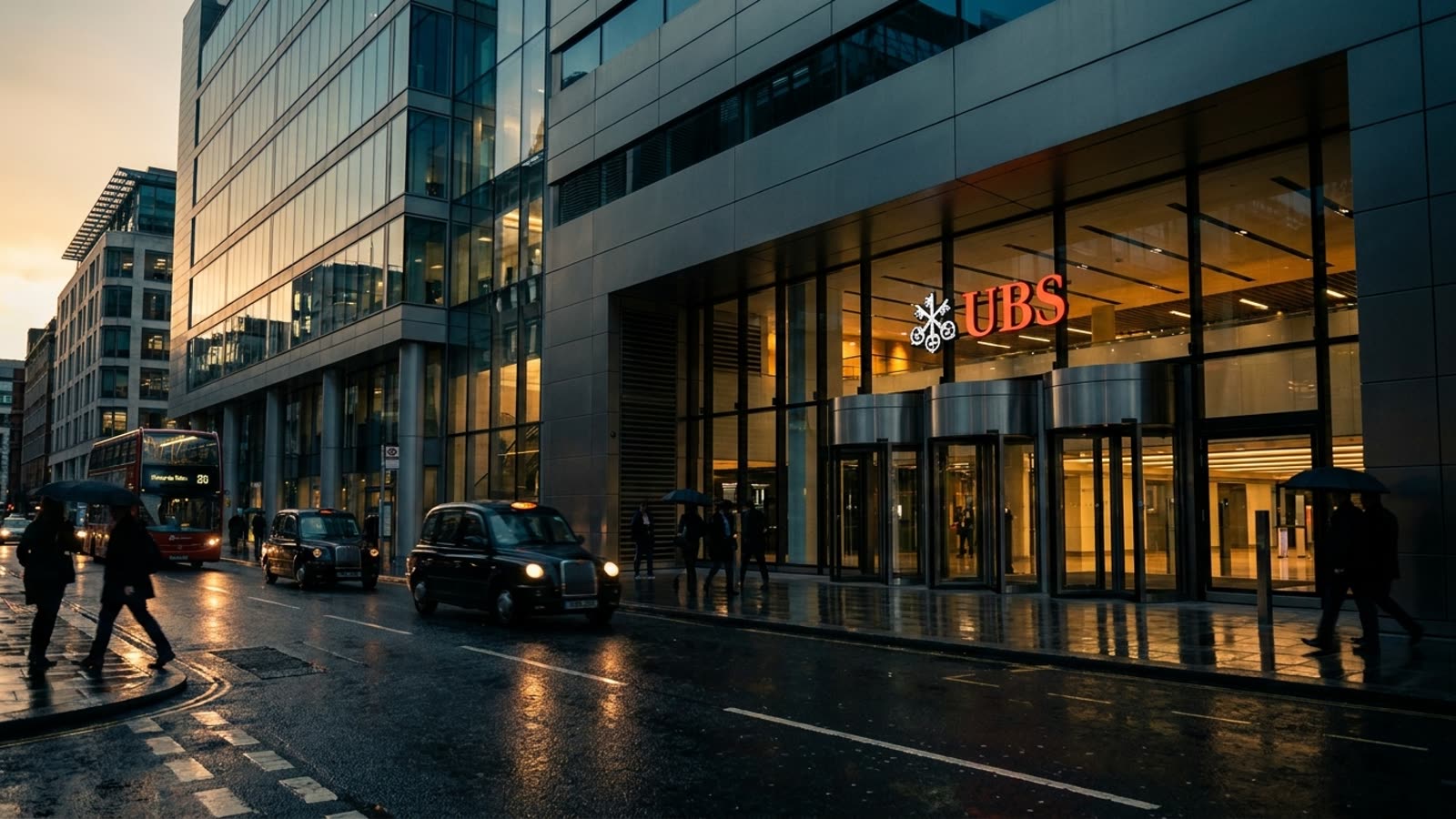
The choreography of a British Budget leak is a minor art form: ministers float ideas through sympathetic journalists, gauge the backlash, then proceed anyway. This week's preview is unusually blunt. Rachel Healey, the Chancellor of the Exchequer, has all but confirmed that UK banks will face higher levies on their profits when she delivers her fiscal statement later this month. Senior banking executives have told reporters they expect to be "on the menu." The only remaining question is portion size.
The likely mechanism is an increase to the bank surcharge—the additional corporation tax layer applied to banking profits above £100 million. Currently set at 3%, the surcharge was already trimmed from 8% in 2023 as part of a broader corporate tax simplification. Healey appears ready to reverse some of that generosity. A move back toward 5-6% would raise several hundred million pounds annually without requiring new legislation, making it an administratively tidy revenue grab.
Why banks, why now
The political logic is straightforward. UK lenders have reported bumper profits for three consecutive years, buoyed first by rising interest rates and then by resilient consumer lending. Barclays, NatWest, and Lloyds have all announced share buybacks and dividend increases while ordinary households struggle with mortgage costs those same rate rises helped inflate. The optics write themselves.
Healey also faces a genuine fiscal bind. The Labour government inherited a structural deficit and has committed to not raising income tax, VAT, or National Insurance on workers—the three big revenue levers. That leaves her hunting for money in places voters won't miss: non-doms, private equity carried interest, and now bank profits. Each target is chosen as much for its political palatability as its fiscal yield.
The City's diminished leverage
A decade ago, this kind of move would have triggered apocalyptic warnings about London's competitiveness, relocation threats, and hurried meetings at Number 11. The response this time has been notably muted. Banks have grumbled privately but offered no coordinated public pushback. The implicit threat—that higher taxes will drive business to Frankfurt, Dublin, or New York—has lost its menace.
Partly this reflects post-Brexit exhaustion; the relocations that were going to happen have already happened. Partly it reflects a sector that has spent fifteen years since the financial crisis failing to rebuild public trust. Mis-selling scandals, LIBOR manipulation, and the persistent sense that bailout costs were socialized while profits remained private have left banks with few political allies outside their own lobbying shops. When the Chancellor comes for your margins, it helps to have friends. The City doesn't.
Our take
Healey's bank tax raid is less a bold policy choice than an inevitability. When you rule out taxing workers and need money fast, you tax capital—and you start with the capital that voters actively resent. The banks will absorb the hit, pass some of it to customers, and carry on. The more interesting question is what comes next. If the surcharge hike doesn't close the fiscal gap—and it won't—Healey will need another target by spring. The City should worry less about this Budget and more about the one after it.