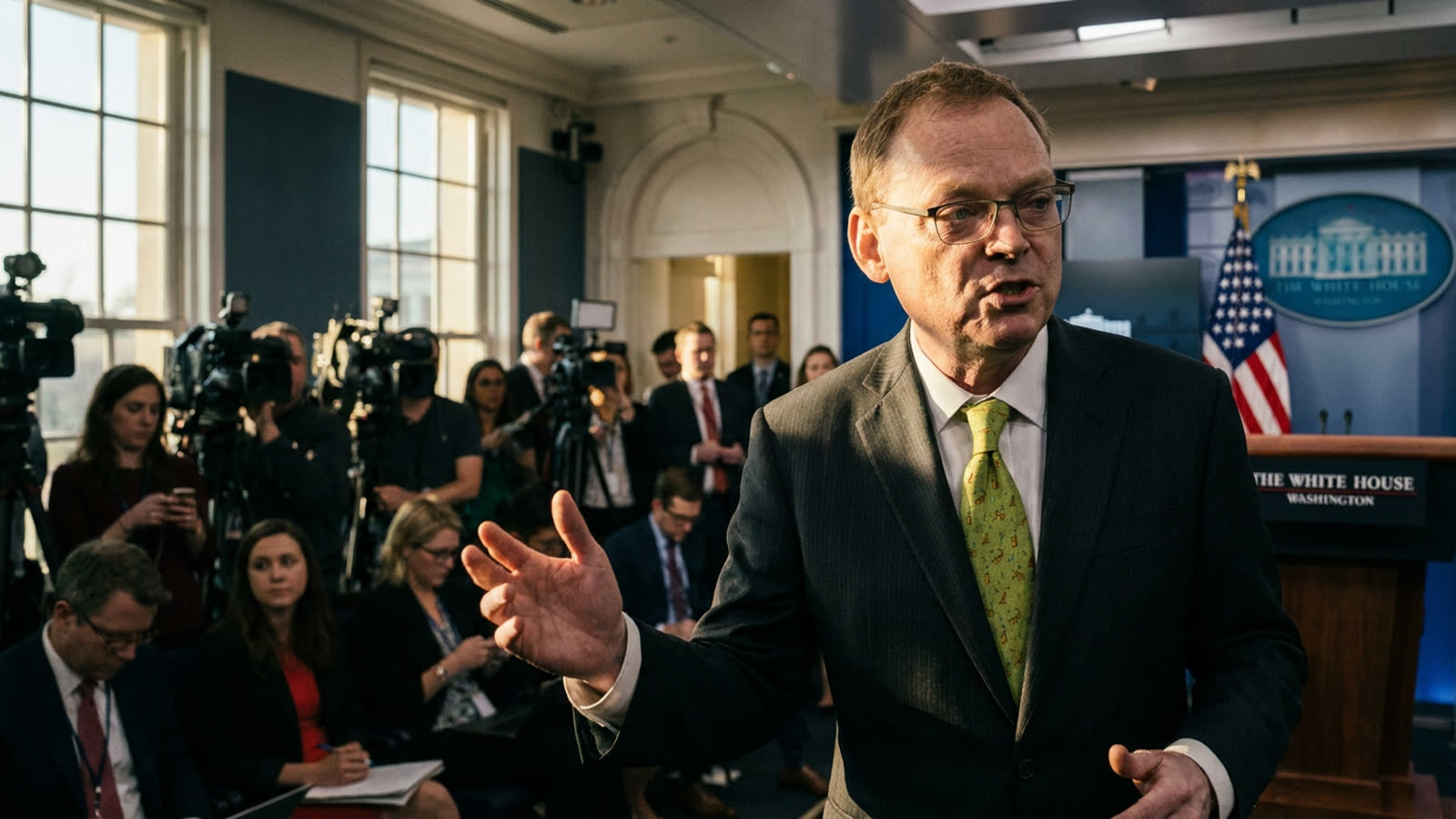
The White House's chief economic advisor has decided that bond markets are stupid. Kevin Hassett, speaking to reporters on Saturday, declared that traders pricing in a Federal Reserve rate increase are "terribly wrong" about the trajectory of monetary policy—a bold claim from an administration that has spent months insisting the economy is fundamentally sound while oil prices remain elevated and consumer prices refuse to cooperate.
Hassett's confidence is notable for its timing. Fed funds futures have been steadily pricing in a 25-basis-point hike at the July meeting, with probability now sitting above 60 percent. The market's logic is straightforward: the Strait of Hormuz crisis has kept energy costs elevated, core inflation has proven stickier than the Fed's models predicted, and Chair Powell has repeatedly signaled that the committee will not hesitate to act if price stability demands it.
The administration's bind
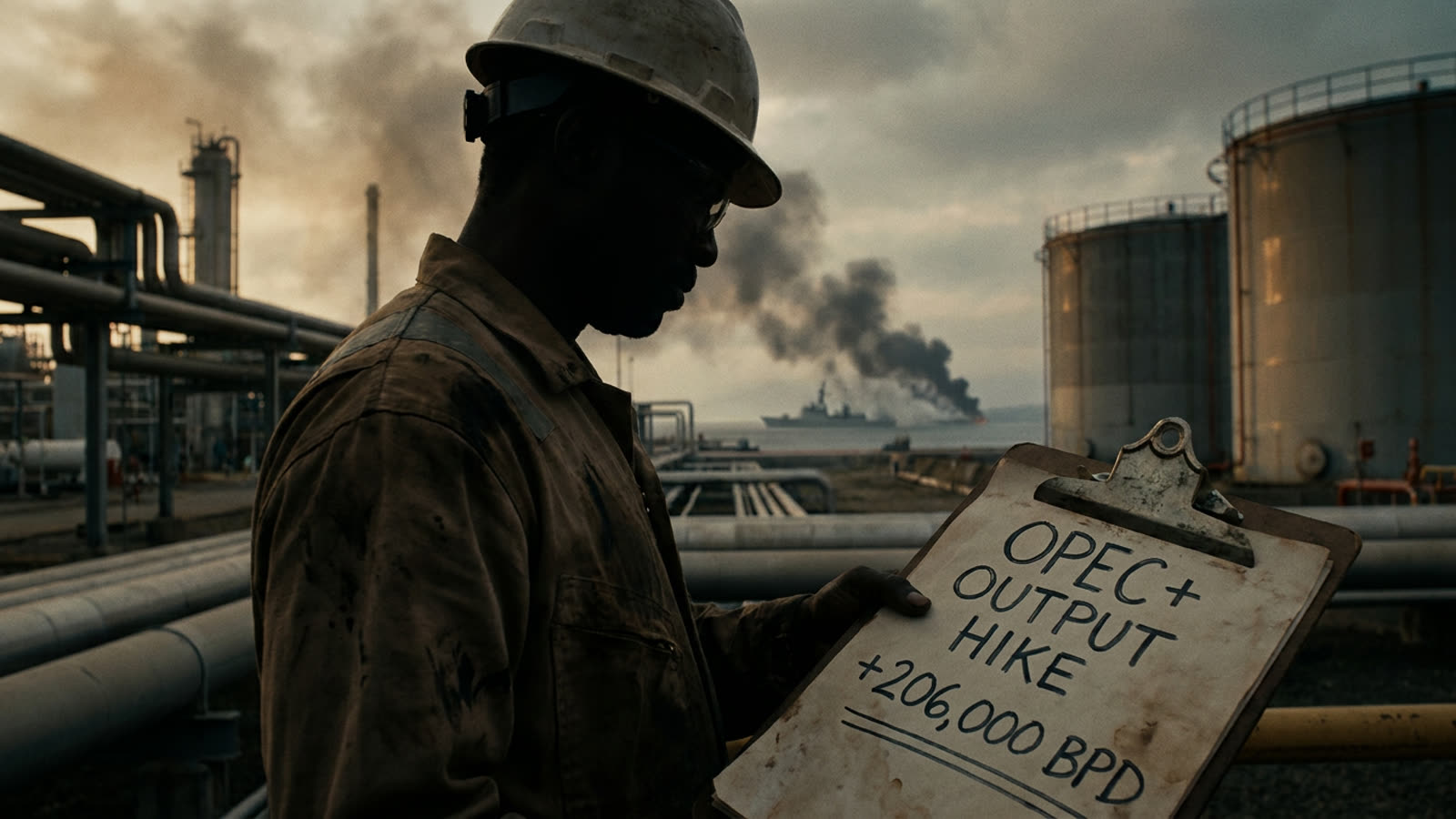
Hassett finds himself in an unenviable position. The Trump administration entered 2026 promising that tariff-induced price pressures would prove transitory and that energy independence would insulate American consumers from Middle Eastern turmoil. Neither prediction has aged well. The OPEC+ decision to increase quotas has done little to calm markets still jittery about supply disruptions, and the Fed's preferred inflation gauge remains a full percentage point above target.
Rather than acknowledge these headwinds, Hassett is choosing confrontation. His argument appears to rest on the belief that the labor market's gradual cooling will do the Fed's work for it—that wage growth is moderating sufficiently to obviate the need for further tightening. It's a defensible thesis in isolation, but one that ignores the Fed's institutional memory of the 1970s, when premature declarations of victory allowed inflation expectations to become unanchored.
What markets actually see
Bond traders are not, as a rule, ideological actors. They are paid to be right, and their collective judgment reflects a synthesis of economic data, Fed communications, and geopolitical risk that no single forecaster can replicate. When the market prices in a rate hike, it is not making a political statement—it is expressing a probability-weighted view of what the Federal Open Market Committee will actually do.
Hassett's dismissal of this signal carries echoes of previous administrations that tried to jawbone the Fed into submission. The results have rarely been pretty. Markets tend to interpret such interventions as evidence that policymakers are more concerned with short-term political optics than long-term price stability, which paradoxically increases the pressure on the central bank to demonstrate its independence.
Our take
There is something almost quaint about a White House economist insisting that bond markets have it all wrong. The Fed will do what the Fed will do, and Powell has shown little appetite for accommodating political preferences. Hassett may ultimately be vindicated—inflation could surprise to the downside, the labor market could cool faster than expected, and the July meeting could come and go without action. But betting against the collective wisdom of fixed-income markets is a game that has humbled smarter people than any administration's economic team. The phrase "terribly wrong" has a way of aging poorly.