Hasan Piker represents something the media establishment finds genuinely uncomfortable: a political commentator who built his audience entirely outside their ecosystem and now commands more live viewers than most cable news programs.
The 34-year-old nephew of Cenk Uygur has transformed from a Young Turks segment producer into perhaps the most influential leftist voice in digital media, streaming to hundreds of thousands of concurrent viewers who tune in for his particular cocktail of socialist politics, reaction content, and the occasional video game. His Twitch channel has become appointment viewing for a generation that considers CNN an artifact.
The attention economy's new math
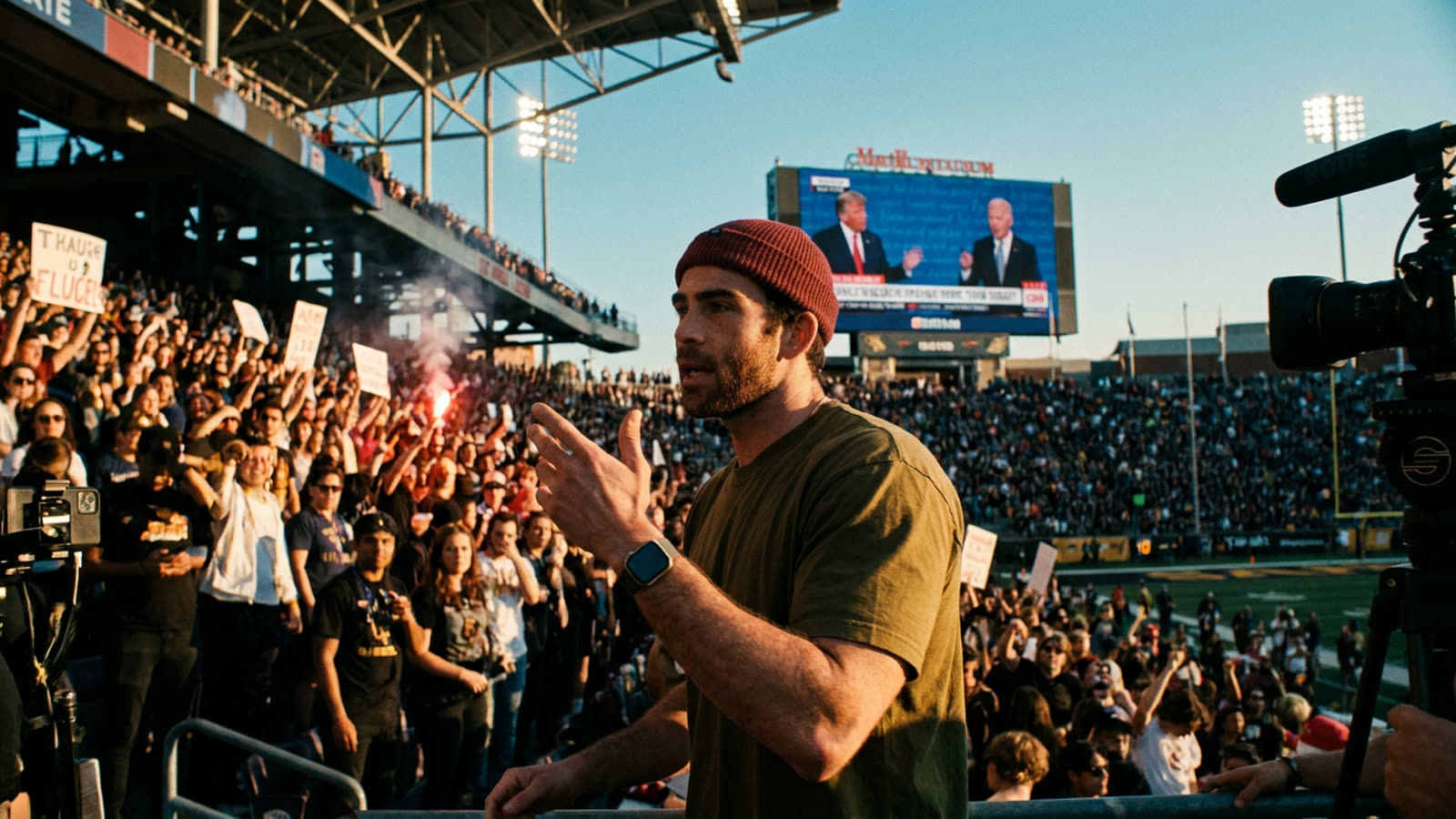
Piker's numbers would make television executives weep. His streams regularly pull six-figure concurrent viewership, with major political events—debates, elections, breaking news—pushing those figures even higher. More importantly, his audience skews young, male, and politically engaged, a demographic that traditional news organizations have essentially written off as unreachable.
The business model is elegantly simple: subscriptions, donations, and sponsorships, all flowing directly to the creator without the overhead of a newsroom, fact-checkers, or editorial standards beyond Piker's own judgment. It's media entrepreneurship stripped to its chassis.
The authenticity paradox
What makes Piker compelling to his audience is precisely what makes him suspect to media traditionalists. He's openly ideological, frequently profane, and operates without the performative neutrality that mainstream journalism treats as sacred. He'll spend eight hours reacting to content, ranting about capitalism, and playing Elden Ring, and his audience considers this more honest than a polished thirty-minute broadcast.
This is the paradox of parasocial politics: viewers trust Piker because he seems unfiltered, even as that lack of filtration means they're consuming one man's opinions packaged as analysis. The intimacy of the streaming format—the chat interaction, the marathon sessions, the sense of hanging out—creates a bond that no anchor desk can replicate.
Our take
Piker isn't the future of political media so much as evidence that political media has already fractured beyond recognition. He's built something real, with genuine cultural influence among viewers who will never watch Meet the Press. Whether that influence is healthy for democratic discourse is a separate question, and probably the wrong one. The better question is why legacy media ceded this territory so completely, and whether they even noticed it happening.