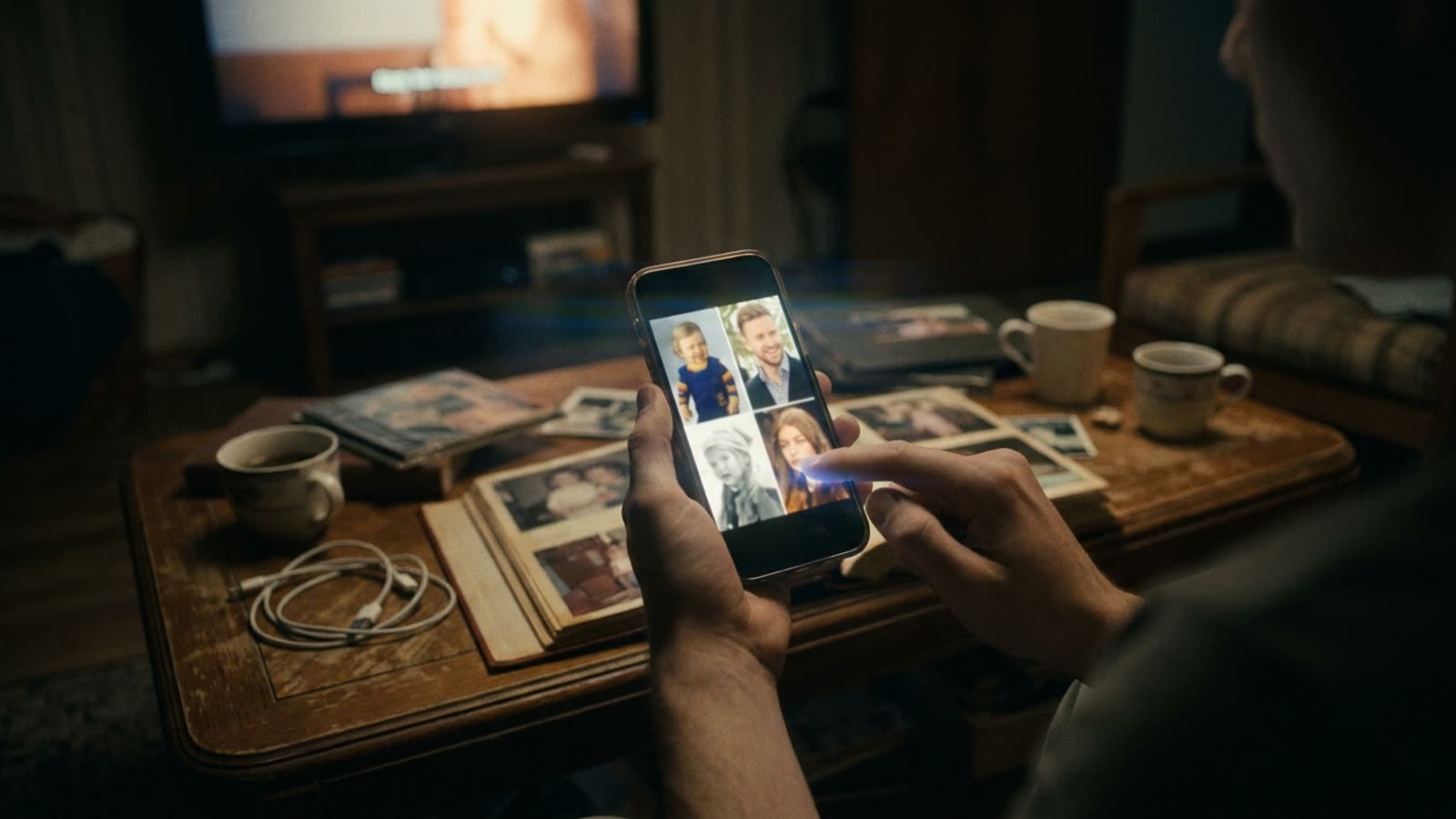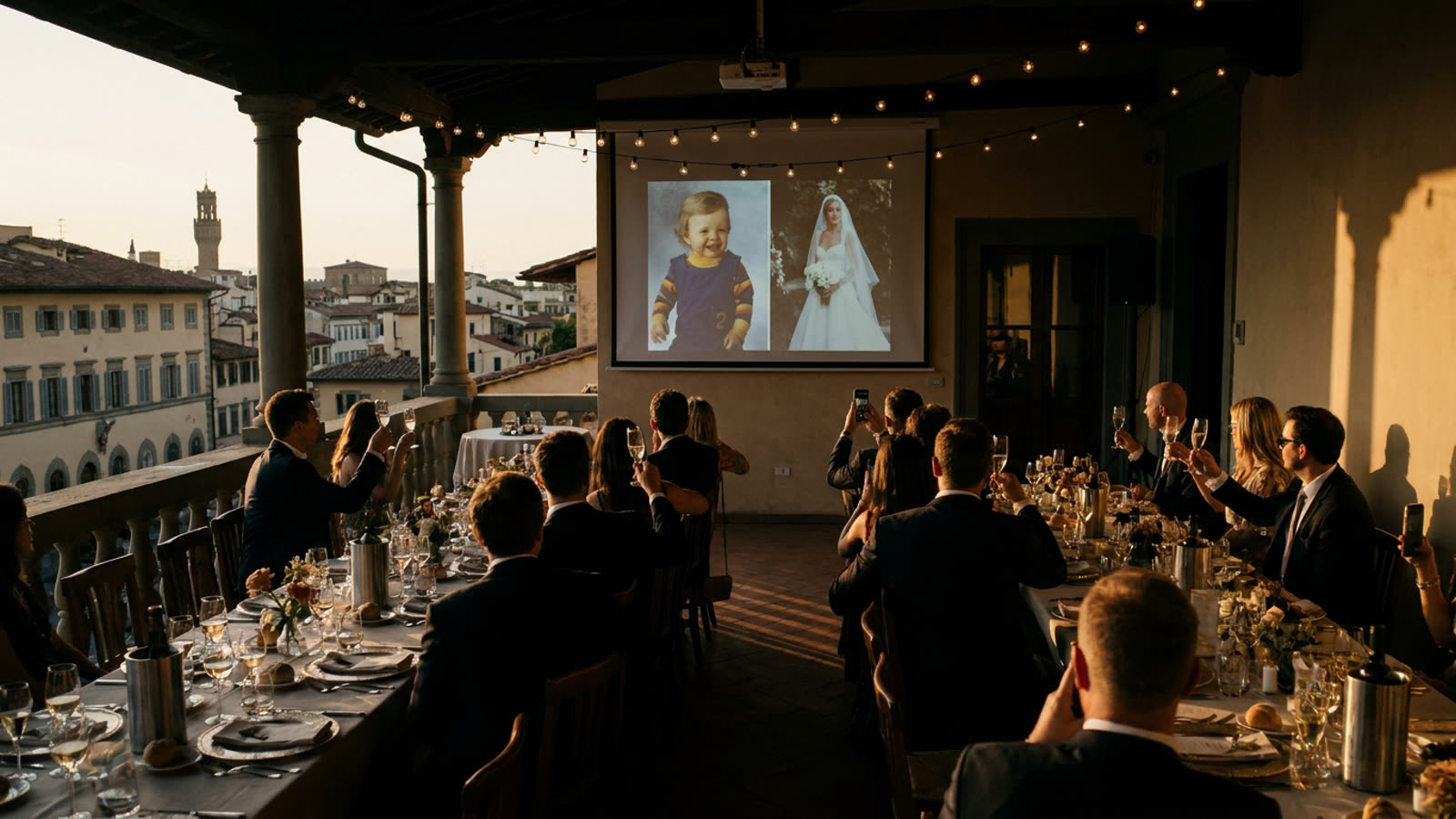
The formula is so familiar it barely registers as content anymore: a grainy snapshot of a towheaded child in an oversized polo, a coy caption inviting guesses, and then the reveal—some famous face you half-recognize from a streaming series or a fragrance campaign. TMZ published two such items on the same day this week, suggesting the editorial well has run dry or, more likely, that the format simply works too well to abandon.
The "Guess Who" genre has migrated from magazine back pages to algorithmic catnip. It requires almost nothing—a publicist's cooperation, a family photo album, and the audience's willingness to play along. The game flatters readers into believing they possess insider knowledge while delivering the comforting message that celebrities were once ordinary, just like us, before becoming extraordinary in ways we will never be.
The mechanics of manufactured intimacy
What makes these posts durable is their frictionlessness. They demand no reporting, generate no controversy, and age well in archives where they continue to surface via search. For outlets operating on razor-thin margins, the cost-benefit calculus is irresistible. The celebrity gets a soft-focus humanizing moment; the publication gets engagement metrics; the audience gets a dopamine hit dressed up as nostalgia.
The doubling-down—two reveals in one news cycle—hints at saturation. When a format proliferates this aggressively, it typically means either the audience appetite is bottomless or the content pipeline is desperately thin. Likely both.
Why we keep clicking
There is something almost archaeological about the exercise. We sift through the image for clues—the bone structure, the smile, the setting—as if decoding celebrity DNA. The reveal confirms our pattern-recognition skills and rewards us with the minor thrill of being right. It is parasocial interaction reduced to its most transactional form: zero emotional risk, zero information gained, maximum fleeting satisfaction.
The format also functions as a subtle form of mythmaking. By showing us the "before," it reinforces the inevitability of the "after." That preppy kid was always destined for fame; we just needed the photo to prove it.
Our take
Two childhood photo reveals in a single day is not a programming glitch—it is a confession. The celebrity-industrial complex has discovered that nostalgia is infinitely renewable and that audiences will consume the same product in endless variations. The format will persist until something cheaper and more engaging comes along, which, given the current trajectory of content economics, may be never. We will keep guessing, they will keep posting, and everyone will pretend this counts as entertainment.