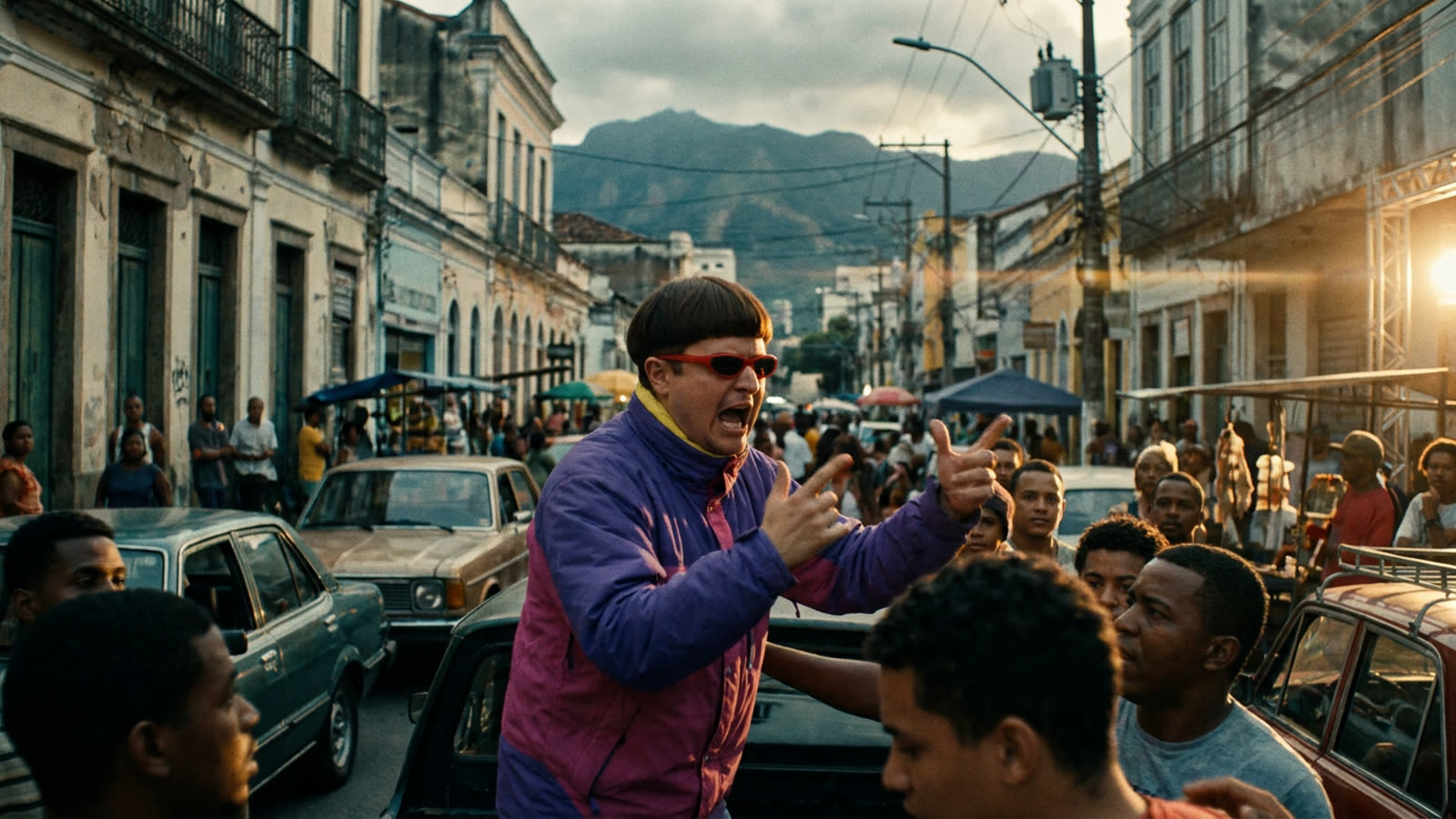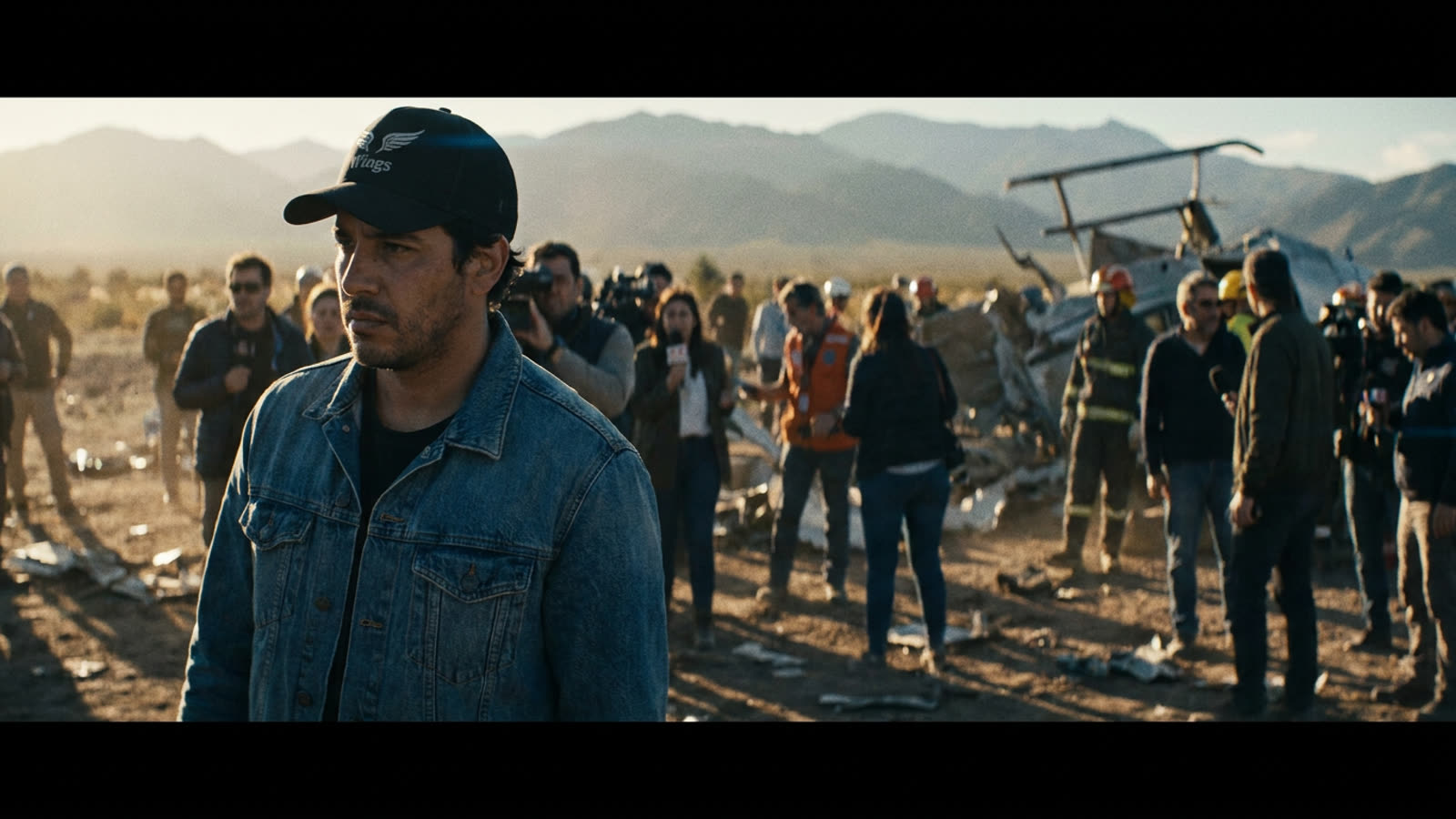
The helicopter that went down in Brazil this week carried two creators from different corners of the internet, but both understood the same arithmetic: attention compounds, caution doesn't. Thiago Gaspar de Oliveira Marques, the Argentine YouTuber known as Gaspi, was 23. He had built an empire on pranks, stunts, and the relentless documentation of a life lived at volume. Now he is among the six dead, alongside American musician Oliver Tree, in a crash that has left the influencer world performing its familiar ritual of grief-posting and view-counting.
Gaspi's death arrives at a moment when the creator economy has never been larger or more lethal. The helicopter wasn't a random conveyance; it was content. The trip was content. The destination was content. For creators at Gaspi's level—millions of subscribers, brand deals, a lifestyle predicated on perpetual escalation—the vehicle is always secondary to the footage it might yield.
The economics of escalation
YouTube's algorithm doesn't reward consistency; it rewards novelty. A creator who posts the same format indefinitely watches their views decay. The platform's recommendation engine hungers for the unprecedented, which means successful creators must continuously raise stakes. Gaspi understood this intuitively. His content evolved from bedroom pranks to elaborate productions involving travel, vehicles, and increasingly expensive set pieces. Each video had to outperform the last, or the algorithm would bury it beneath competitors willing to go further.
This isn't unique to Gaspi. The past decade has produced a grim catalog of creator deaths linked to content production: falls from cliffs during photo shoots, drownings during underwater stunts, car crashes during street racing videos. Insurance actuaries have begun treating "professional influencer" as a risk category distinct from traditional entertainment, with premiums reflecting the statistical reality that young people with cameras and audiences die at elevated rates.
The parasocial grief economy
Within hours of the crash confirmation, tribute posts began accumulating across platforms. Fellow creators posted reaction videos. Fans organized memorial hashtags. The machinery of parasocial mourning activated with practiced efficiency—the same infrastructure that processes celebrity deaths now handles influencer losses with industrial regularity.
What distinguishes influencer grief is its intimacy and its monetization. Gaspi's audience didn't watch him through the mediated distance of traditional celebrity; they watched him eat breakfast, fight with friends, narrate his anxieties in real time. His death doesn't feel like losing a performer. It feels like losing someone you knew, even though you didn't. And because the platforms that hosted his life continue operating after his death, his content remains accessible, algorithmically surfaced, generating posthumous views that will enrich his estate and the platforms themselves.
Our take
Gaspi was talented, charismatic, and operating within a system that made his death statistically predictable. The creator economy has produced extraordinary wealth and cultural influence, but it has also constructed incentive structures that treat young lives as acceptable inputs. No one forced Gaspi onto that helicopter, but the logic of his profession made the flight feel necessary. Until platforms redesign algorithms to reward sustainability over escalation, we will keep writing obituaries for twenty-somethings who understood the game perfectly and lost anyway.