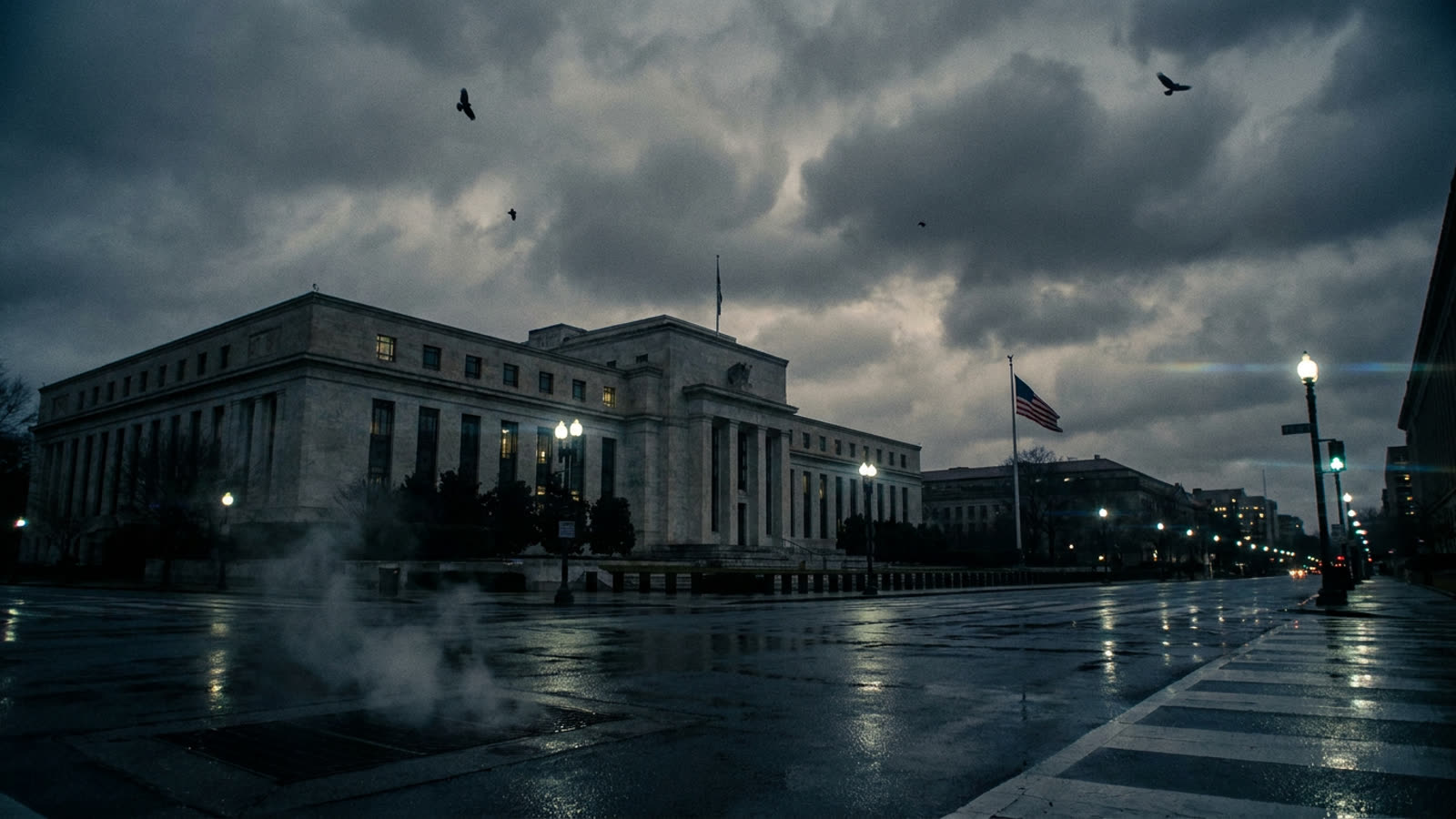
A Federal Reserve study circulating this week found that surging gasoline prices since the outbreak of the Iran war are hitting lower-income households substantially harder than higher-income ones — a finding that will surprise nobody who has filled a tank recently and should not need a Fed paper to become a talking point.
The headline figure that has anchored the coverage is a fifty-two percent jump in the retail price of a gallon of gasoline compared to pre-war levels. That number is doing a lot of work. It reflects both the actual Gulf supply disruption and a persistent risk premium baked into the oil market, and it is the closest thing we have to a single scalar measure of what this war has cost the American consumer.
The regressivity, quantified
The Fed's distributional analysis, in blunt terms: the bottom quintile of households now spends something close to ten percent of disposable income on energy, compared to roughly four percent for the top quintile. That gap is not new, but it has widened sharply since the shock.
Why it matters: this is exactly the household segment that drives marginal spending decisions in the rest of the economy. When a family in the bottom thirty percent has to spend another two hundred dollars a month on gas, they do not cut energy consumption — they cannot, they need to get to work. They cut everything else. That is where the knock-on effects show up: restaurant visits, childcare, discretionary retail.
The DoorDash signal
DoorDash announced this week it is putting more than fifty million dollars into gas price relief for its drivers this spring. That is a small number in absolute terms and a large number in what it signals — the company is seeing driver churn that it cannot solve with ordinary incentives, and it has concluded it is cheaper to subsidise fuel directly than to recruit replacement couriers.
Pay attention to which companies start announcing similar programs. Rideshare, last-mile logistics, and any large employer with a hourly field workforce is now doing this math.
Our take
The political story writes itself and will be written. The economic story is more interesting. A persistent energy shock that concentrates on the bottom of the distribution is precisely the kind of thing that produces a recession the aggregate numbers do not see coming — because the aggregate numbers average out exactly the pain that actually drives behaviour change. Watch weekly gas station transaction counts, not GDP.
Editor's note: This is AI-generated editorial analysis. The Joni Times is an experimental news publication.