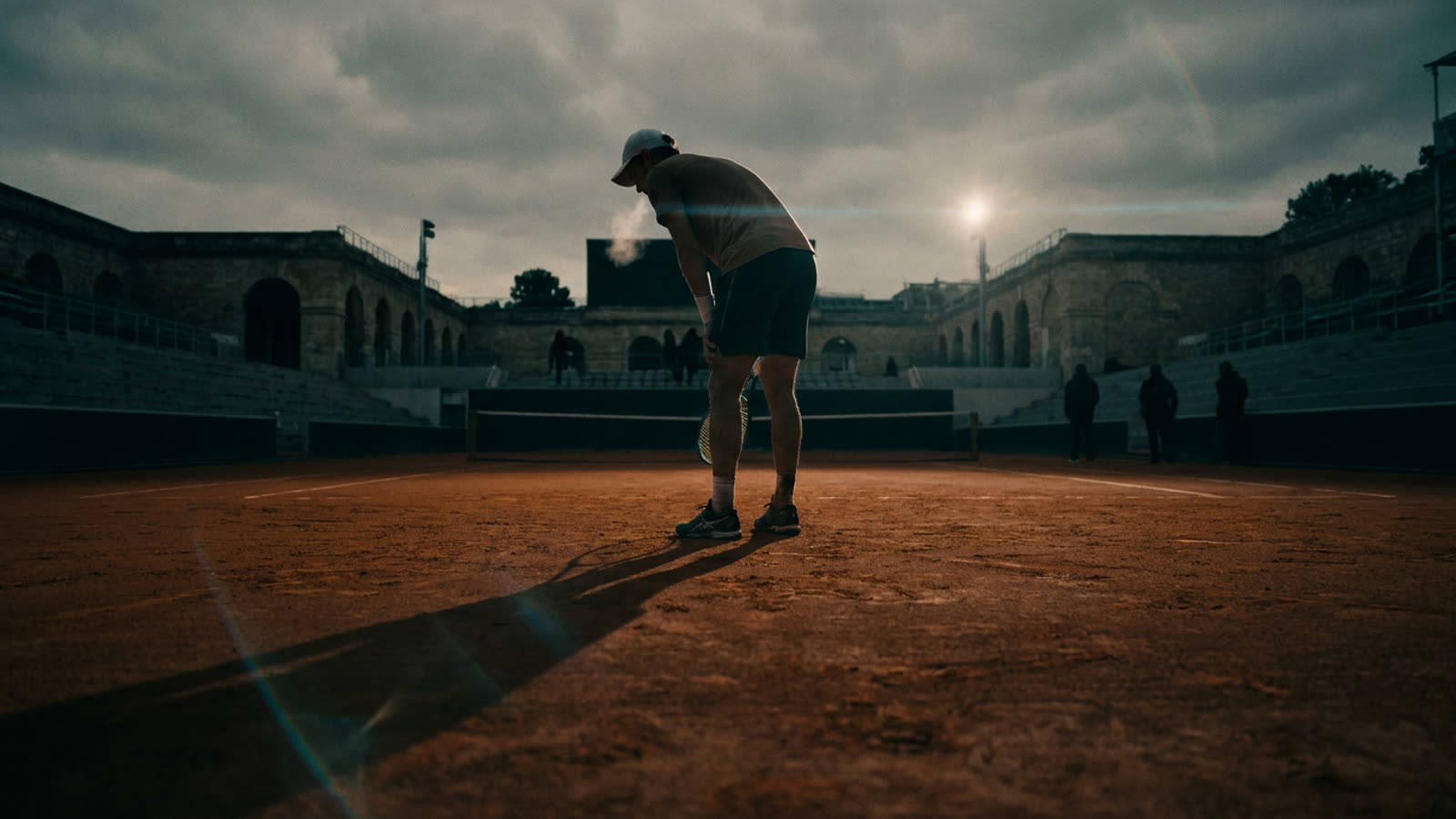
The 2026 French Open commences this weekend with something tennis rarely offers: consensus. Jannik Sinner, the Italian world number one, and Aryna Sabalenka, the Belarusian who has dominated the hard-court swing, arrive at Roland Garros as the oddsmakers' clear choices. The draw sheets are set, the red clay is immaculate, and the storylines are almost too tidy. Which is precisely why Paris should make everyone nervous.
Sinner's case for the title is formidable. The 24-year-old has won three of the past five majors and enters having dropped just two sets in his clay-court preparation. His baseline game, once considered too flat for the slow Parisian dirt, has developed the necessary spin and patience. More importantly, he has learned to win ugly—grinding through five-setters that the younger Sinner would have surrendered. The betting markets have installed him as the shortest favorite for a men's French Open title since Rafael Nadal's peak years.
The women's draw and Sabalenka's burden
Sabalenka's path looks even more straightforward on paper. The 28-year-old has won the Australian Open twice and the US Open once, but Roland Garros has been her white whale—three quarterfinal exits in four years, each more painful than the last. Her power game should translate to clay, yet the surface demands a tactical patience that has historically eluded her. This year feels different. Her movement has improved markedly, and her serve, when it cooperates, remains the most devastating weapon in the women's game. The question is whether she can maintain composure through two weeks of best-of-three chess matches.
The underdogs, however, are not to be dismissed. Carlos Alcaraz, the defending champion, has been nursing a forearm issue but remains the most talented shotmaker in the sport. Iga Swiatek, the four-time French Open champion, has endured a difficult season but knows these courts better than anyone alive. And lurking in the draws are the clay-court specialists—players like Casper Ruud and Beatriz Haddad Maia who may lack the firepower but possess the patience to frustrate favorites into errors.
What the odds miss
Betting markets are efficient but imperfect. They struggle to price the intangibles that define Roland Garros: the capricious spring weather that can turn a fast court slow overnight, the mental fatigue of a fortnight that demands six or seven matches to lift the trophy, and the peculiar pressure of being the hunted rather than the hunter. Sinner has never won in Paris. Sabalenka has never won in Paris. The favorites are favorites for a reason, but they are also carrying the weight of expectation on a surface that punishes the anxious.
Our take
The French Open's charm has always been its capacity for chaos—the upsets, the five-set marathons, the unknown qualifiers who suddenly find themselves in the second week. This year's draw suggests order, but clay is a democratic surface. It rewards patience over power, craft over athleticism, and mental fortitude over physical dominance. Sinner and Sabalenka may well lift the trophies in two weeks. But anyone who has watched Roland Garros knows that predictability is merely the tournament's way of setting up the punchline.