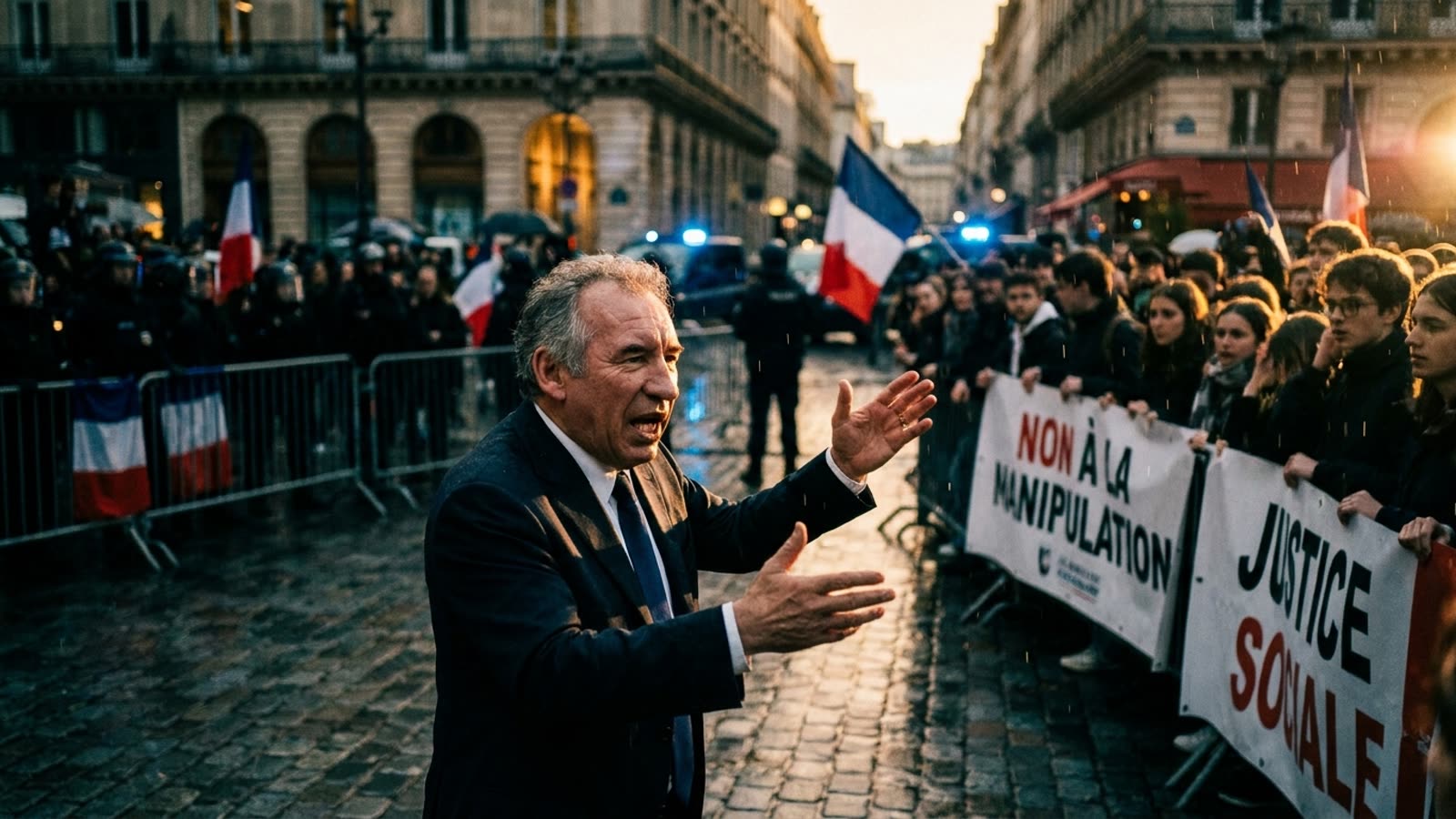
The French government has settled on a familiar explanation for why thousands of students are blocking university entrances and marching through provincial cities: someone else is pulling the strings.
Prime Minister François Bayrou suggested this week that student anger over tuition hikes, housing costs, and diminished job prospects is being "weaponised" by forces seeking to destabilize France ahead of next year's presidential election. The accusation—vague on specifics but heavy on implication—has become the Élysée's preferred framing as unions prepare to join the students in nationwide demonstrations.
The Grievances Are Real
French students have watched their purchasing power erode steadily since the pandemic. University housing costs in Paris have risen nearly 40 percent since 2020, while the government's modest scholarship increases have failed to keep pace with inflation. Youth unemployment, though improved from its 2015 peak, remains above 17 percent—roughly double the national average. The protests began at Sciences Po and the Sorbonne in late September before spreading to Lyon, Bordeaux, and Toulouse.
Bayrou's manipulation theory rests on circumstantial timing: the protests have intensified as Marine Le Pen's Rassemblement National consolidates its lead in early polling, and as Jean-Luc Mélenchon's La France Insoumise has thrown its organizational weight behind the student movement. But correlation is not conspiracy. Student unions have their own reasons to mobilize, and Mélenchon's involvement is opportunistic politics, not evidence of a hidden hand.
The Macron Legacy Problem
The government's defensiveness reflects a deeper anxiety. Emmanuel Macron's chosen successor—whoever that turns out to be—will inherit a record that includes pension reforms that sparked months of strikes, a cost-of-living crisis that never quite resolved, and a perception among younger voters that the president's technocratic centrism delivered more for shareholders than for graduates. Dismissing protesters as pawns allows the government to avoid engaging with the substance of their complaints.
French intelligence services have reportedly found no credible evidence of foreign coordination behind the student movement, though officials continue to cite unspecified "information warfare" concerns. The rhetorical move echoes similar claims made during the gilets jaunes protests, which were eventually traced to domestic economic frustration rather than Russian bots.
Our Take
When a government's first instinct is to question the authenticity of dissent, it has already lost the argument. France's students may be disorganized, their demands may be maximalist, and their timing may benefit the political extremes—but their anger is homegrown. Bayrou would be better served addressing why a generation feels economically abandoned than speculating about who might be exploiting that abandonment. The presidential election is thirteen months away; the grievances will not age well if ignored.