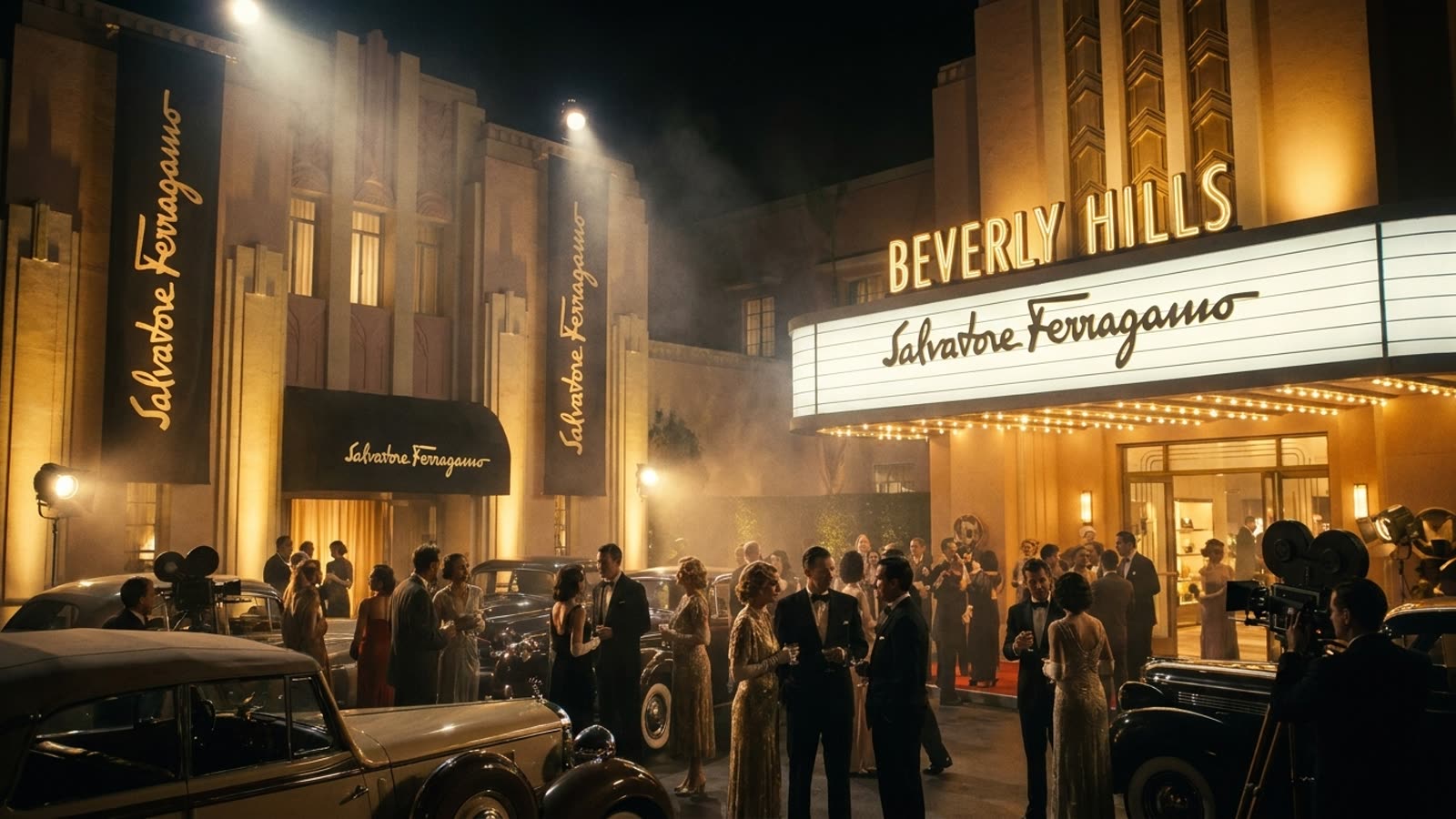
Salvatore Ferragamo arrived in California in 1914, a teenage cobbler from Naples who would spend the next decade fitting shoes for Mary Pickford, Gloria Swanson, and the Barrymores. More than a century later, his descendants gathered at the Beverly Hills Hotel's Polo Lounge to remind everyone that before Ferragamo was a Florentine luxury conglomerate, it was a Hollywood story.
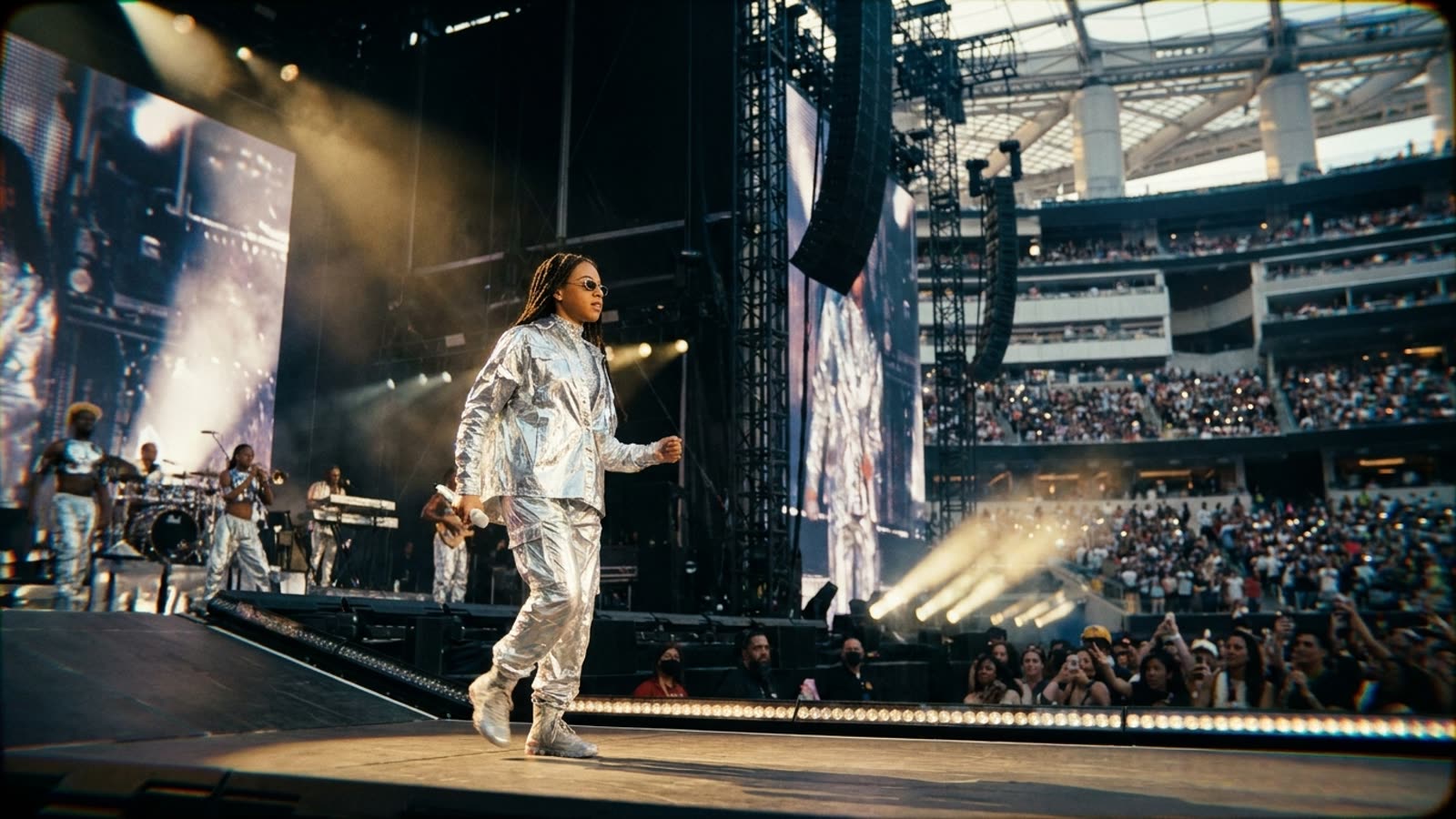
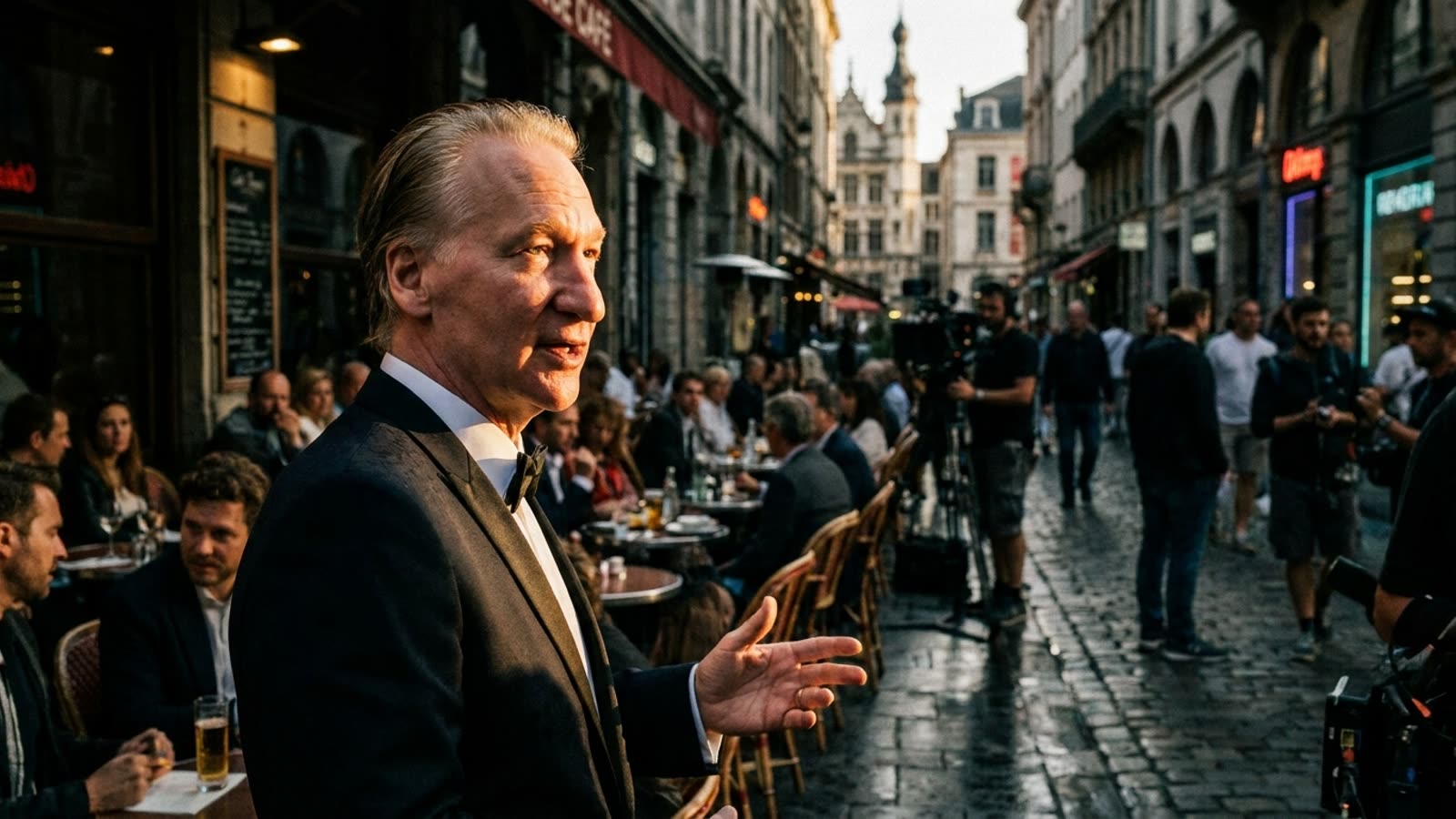
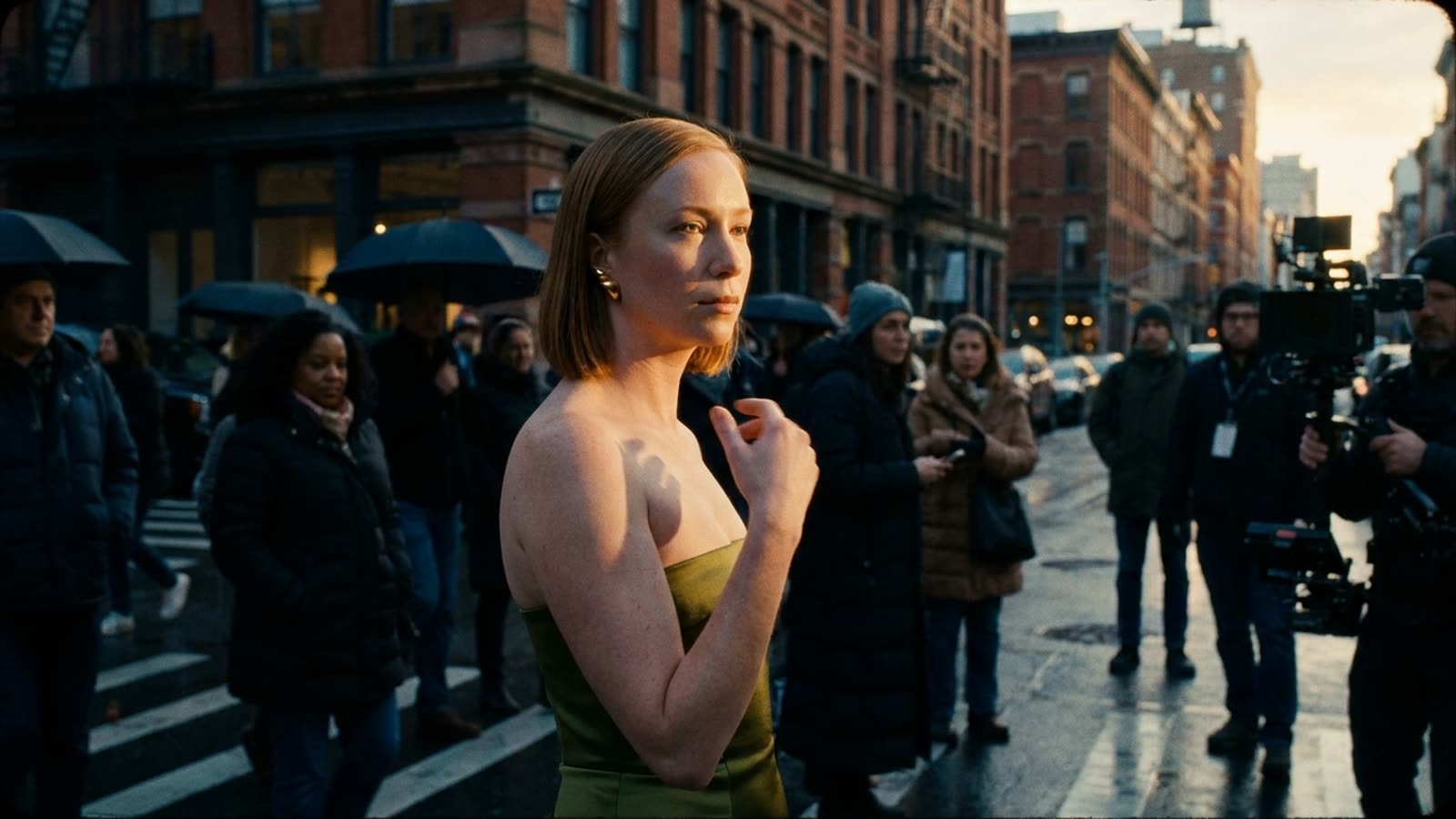
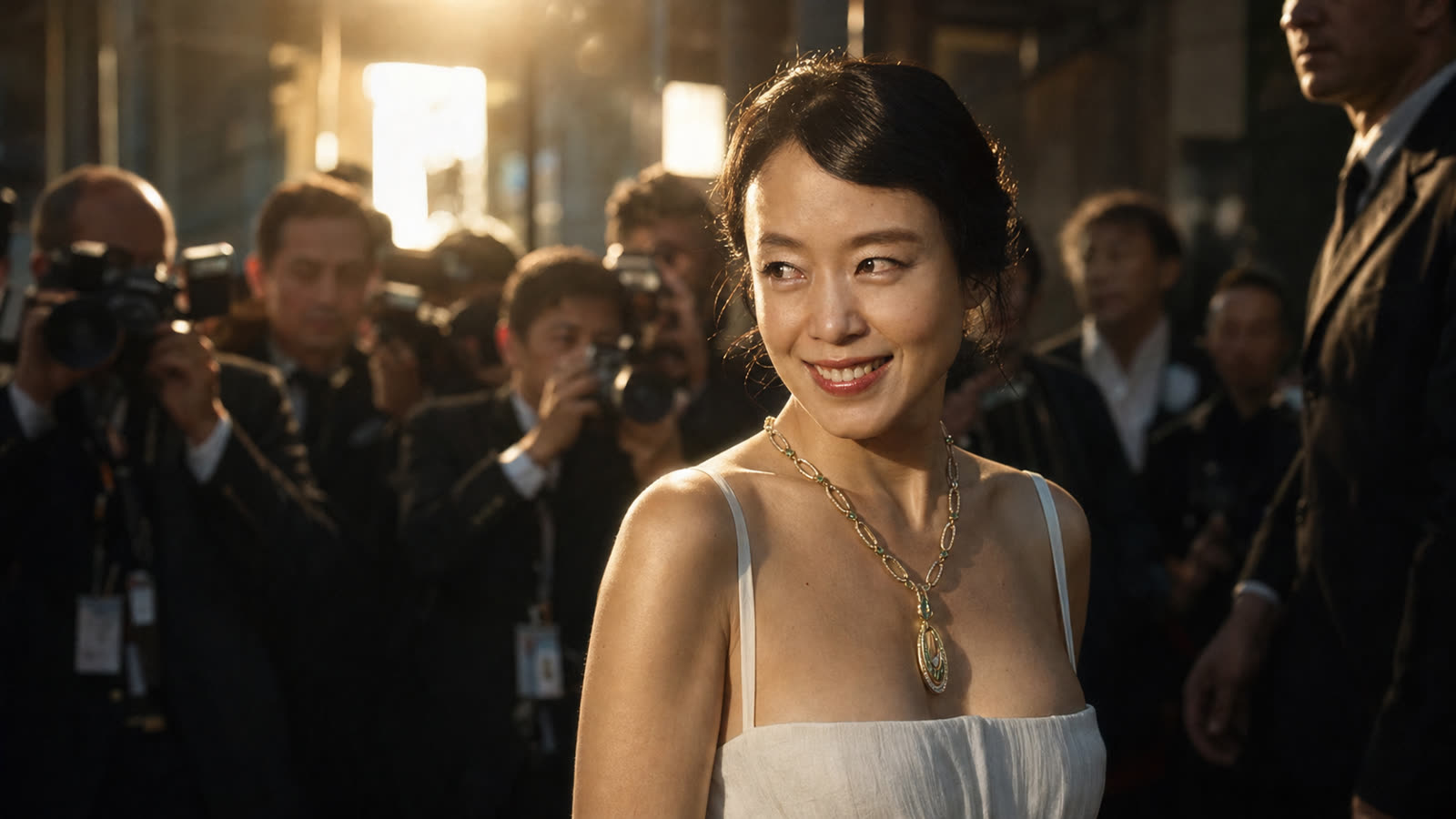
The occasion was the opening of Ferragamo's new West Coast flagship, a store that signals the brand's renewed interest in American retail after years of European retrenchment. Andrew Garfield and Gabrielle Union were among the guests who turned out in looks that leaned into the house's archival vocabulary—lots of Gancini hardware, restrained color palettes, the kind of quiet signifiers that say money without shouting it.
The strategic pivot
Ferragamo has spent the past several years in a curious limbo. Under creative director Maximilian Davis, the brand has sharpened its aesthetic considerably, moving away from the logo-heavy maximalism that defined much of 2010s luxury toward something sleeker and more austere. But the commercial results have been uneven. Revenue has stabilized rather than surged, and the brand remains overshadowed by its Italian peers—Prada's intellectual cool, Gucci's mainstream dominance, Bottega Veneta's stealth-wealth cachet.
The Beverly Hills store represents a bet that Ferragamo's origin story can become a differentiator. No other major Italian house can claim such deep roots in American popular culture. Salvatore literally built the shoes that walked across silent-film sets; his workshop in the basement of the Hollywood Hotel was where he developed the anatomical last that became his signature innovation.
Why Hollywood, why now
The timing is deliberate. Luxury brands are scrambling to find authentic narratives as consumers grow weary of manufactured heritage and influencer-driven hype. Ferragamo's Hollywood connection is genuinely historical rather than retrofitted—a rare asset in an industry that routinely invents traditions.
The Polo Lounge setting was itself a statement. The Beverly Hills Hotel remains one of the few venues in Los Angeles where old money and new fame still intersect naturally, where the aesthetic is frozen somewhere around 1955 and everyone pretends not to notice who's at the next table. For a brand trying to evoke timelessness without appearing dusty, it was the right room.
Our take
Ferragamo's Hollywood gambit is smarter than it might appear. The luxury market is saturated with brands chasing the same young, logo-hungry consumer; there's real white space in appealing to buyers who want something with actual provenance. Whether Davis can translate that heritage into product that feels contemporary rather than nostalgic remains the open question. But at minimum, Ferragamo has remembered something its competitors never knew: it was famous before fashion became an industry.