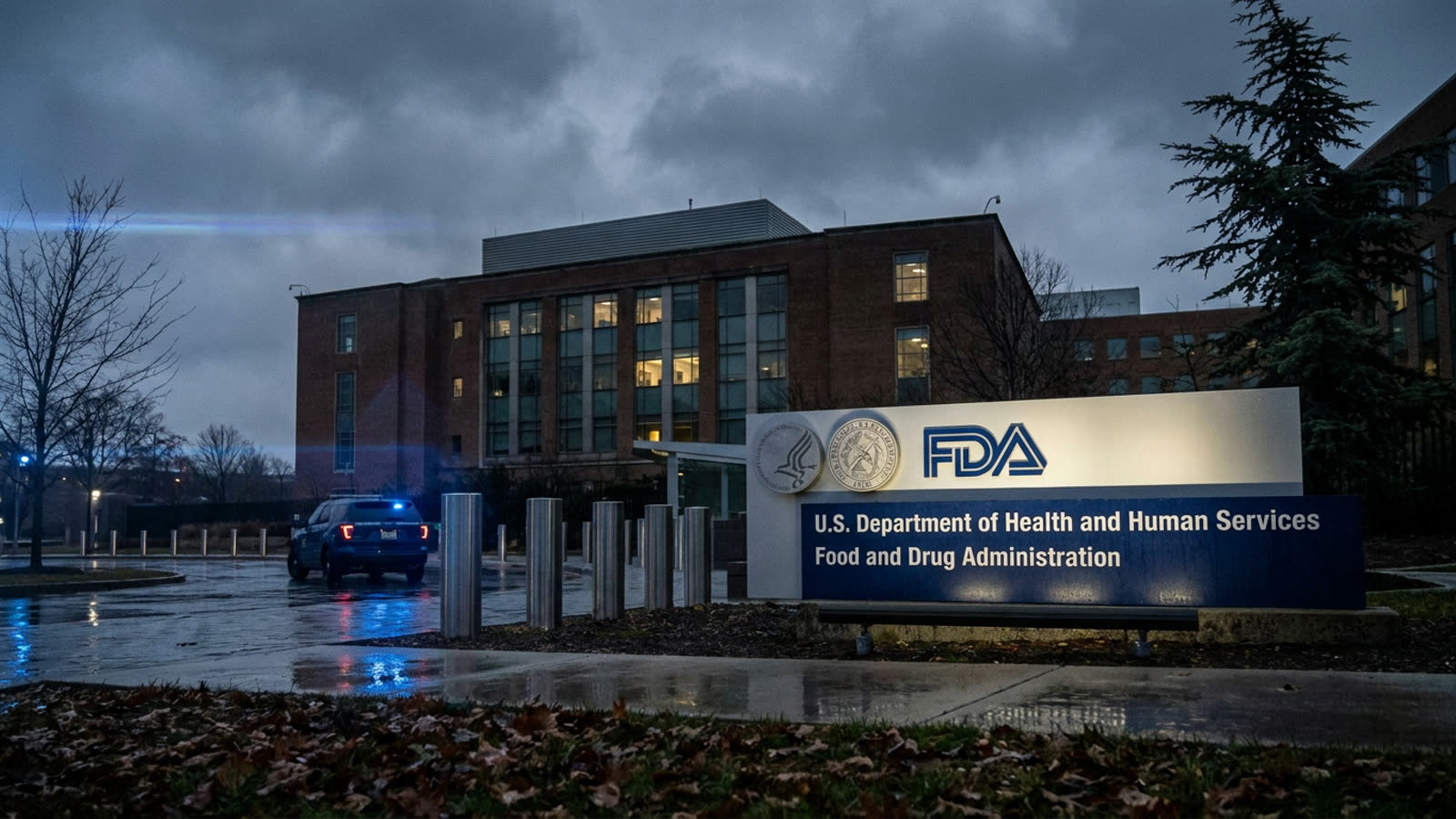
The resignation of the Food and Drug Administration's commissioner could not have come at a worse moment. With hantavirus cases spreading across the American Southwest and public anxiety rising, the nation's primary guardian of pharmaceutical and food safety is now led by an acting chief whose expertise lies in litigation, not epidemiology.
Kyle Diamantas, elevated to the role of acting FDA commissioner, inherits an agency already stretched thin by budget pressures and a broader exodus of senior officials across the federal regulatory apparatus. His appointment follows a pattern that has become distressingly familiar in Washington: critical technical agencies being helmed by interim leaders while permanent nominees languish in confirmation limbo or never materialize at all.
The hantavirus complication
The timing transforms what might otherwise be routine bureaucratic churn into something more consequential. Hantavirus, transmitted primarily through contact with infected rodents, carries a mortality rate that can exceed thirty percent in its pulmonary form. While not transmissible between humans, outbreaks require precise coordination between federal regulators, state health departments, and medical providers—exactly the kind of institutional choreography that suffers when leadership is unsettled.
The FDA's role in any outbreak response extends beyond the obvious. The agency must evaluate diagnostic tests, assess potential therapeutics, and ensure that public communications strike the right balance between urgency and calm. An acting commissioner, particularly one without a scientific background, faces an immediate credibility deficit with the career staff who must execute these functions.
A government running on empty
The FDA vacancy is symptomatic of a deeper malaise. Across the federal government, acting officials now occupy positions that previous administrations treated as essential enough to warrant Senate-confirmed leadership. The compounding effect is significant: agencies without permanent leaders struggle to set long-term strategy, retain top talent, or push back against political pressure from the White House.
For the FDA specifically, the consequences ripple through the pharmaceutical and food industries. Drug approvals, already subject to lengthy review processes, face additional uncertainty when companies cannot predict who will be making final decisions or what priorities will guide them. The agency's credibility with international counterparts—essential for coordinating on everything from drug imports to pandemic preparedness—erodes with each month of interim leadership.
Our take
There is something almost darkly comic about a lawyer being handed the keys to America's medical regulatory apparatus during a disease outbreak. But the joke stops being funny when you consider that the FDA's decisions in the coming weeks could materially affect whether hantavirus remains a contained regional concern or becomes something worse. The administration's apparent indifference to filling critical scientific posts is not merely an administrative failing—it is a policy choice with potential body counts. Washington's tolerance for regulatory vacancy has become its own kind of public health risk.