Dustin Poirier spent fifteen years learning how to take a punch. What nobody taught him, apparently, was how to take a retirement.
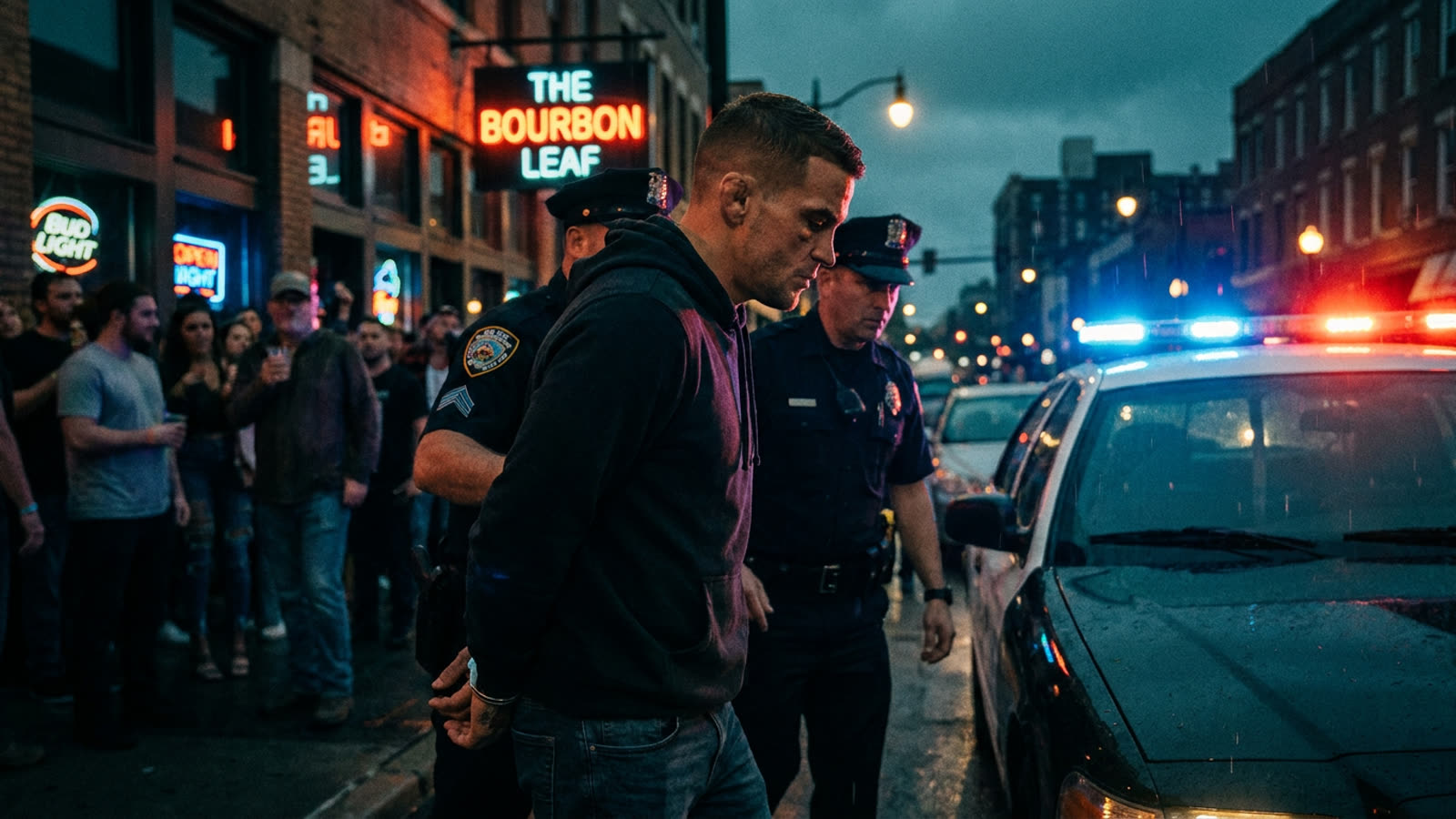
The Lafayette, Louisiana native—who hung up his four-ounce gloves earlier this year after a storied career that included wars with Conor McGregor, Khabib Nurmagomedov, and a brief reign as interim lightweight champion—was arrested this weekend on suspicion of public intoxication, according to reports. The details remain sparse, but the optics are unmistakable: one of mixed martial arts' most respected figures, a man who built a charitable foundation and cultivated an image as the sport's good guy, now has a booking photo.
The retirement problem nobody discusses
Combat sports have an ugly secret. The transition from active fighter to civilian is brutally difficult, and the industry has done almost nothing to address it. Poirier, who earned millions in his final years competing, is better positioned than most. But money doesn't fill the void left when your entire identity—the training camps, the weigh-ins, the adrenaline of walking to the cage—suddenly evaporates.
Former champions from boxing and MMA have spoken candidly about depression, substance issues, and the disorientation of post-career life. The brain that spent years being conditioned for violence doesn't simply switch off. Poirier, at 37, faces decades of figuring out who he is without the sport that defined him.
Context matters, but so do choices
One arrest does not make a pattern. Poirier has no known history of legal trouble, and public intoxication—while embarrassing—is hardly a serious offense. He may have simply had a rough night. Athletes, like everyone else, are entitled to their stumbles.
But the timing is notable. Retirement announcements in combat sports are often followed by a period of drift. The structure disappears. The entourage thins. The phone stops ringing with the same urgency. Poirier's charitable work with his Good Fight Foundation suggests he has purpose beyond fighting, but purpose and peace are not the same thing.
Our take
This is not a story about a fall from grace—not yet, anyway. It's a story about the void that elite athletes face when the cheering stops, and about an industry that chews fighters up and offers little guidance on what comes next. Poirier deserves the benefit of the doubt and the space to address whatever led to this moment. But the UFC, which profited handsomely from his wars, might consider whether its responsibilities to fighters extend beyond the final bell. They almost certainly do.