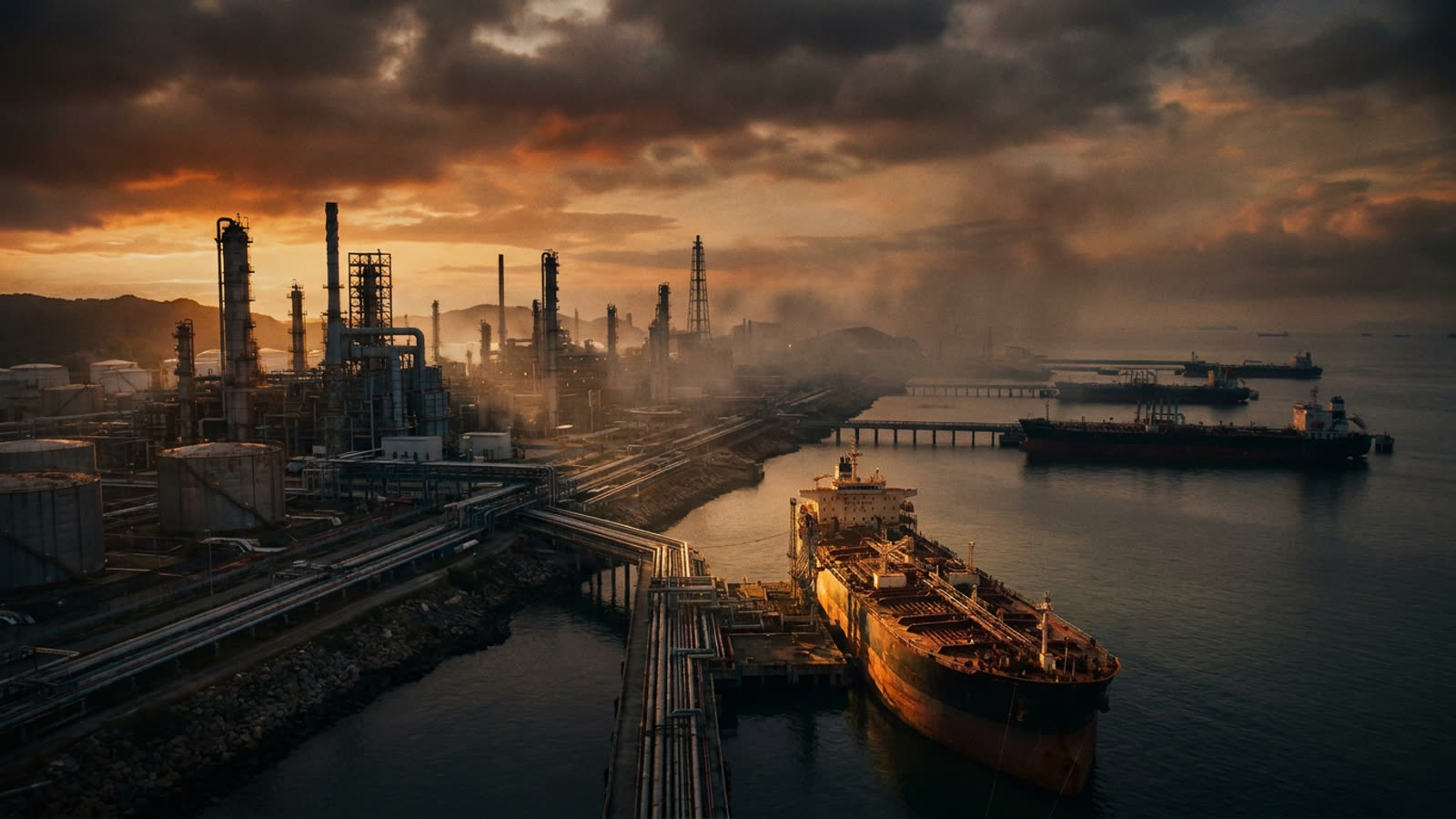
Financial markets have a habit of front-running history, and this weekend they're sprinting. The dollar drifted lower against major currencies on Sunday while Brent crude extended its slide, both responding to the same catalyst: growing optimism that the United States and Iran are inching toward a security framework for the Strait of Hormuz.
The correlation is telling. A weaker dollar and cheaper oil don't usually travel together — the greenback typically strengthens when risk appetite fades and crude prices fall. But this move reflects something more structural: the unwinding of a geopolitical premium that has been baked into energy markets since hostilities escalated earlier this year.
The Hormuz premium evaporates
For months, traders have priced in the possibility that the world's most critical oil chokepoint could become a theater of direct confrontation. Roughly a fifth of global petroleum consumption passes through the strait daily. Any sustained disruption would send shockwaves through supply chains from Seoul to Stuttgart.
That fear premium is now deflating. While diplomats in Washington and Tehran are publicly tempering expectations — both sides emphasized over the weekend that a deal could take days to finalize — markets are reading the trajectory, not the timeline. The logic is straightforward: if a framework is even plausible, the tail risk of a Hormuz closure drops dramatically.
Currency markets follow the energy trade
The dollar's softness is partly mechanical. Lower oil prices reduce demand for dollar-denominated commodity transactions and ease inflation expectations, which in turn dampens the case for the Federal Reserve to maintain its hawkish posture. But there's a subtler dynamic at play.
A de-escalation in the Middle East would remove one of the few remaining arguments for holding dollars as a pure safe-haven asset. With equity markets rallying and volatility compressing, the opportunity cost of parking capital in low-yielding dollar instruments rises. Currency traders appear to be repositioning accordingly.
Our take
Markets are doing what they do best: pricing in a future that hasn't arrived yet. The risk is that diplomacy disappoints — negotiations have collapsed before, and the domestic political obstacles on both sides remain formidable. But the speed of this repricing suggests that investors had been quietly waiting for an exit from the geopolitical trade. If a Hormuz deal materializes, the current moves will look like a prelude. If it doesn't, the snapback could be vicious.