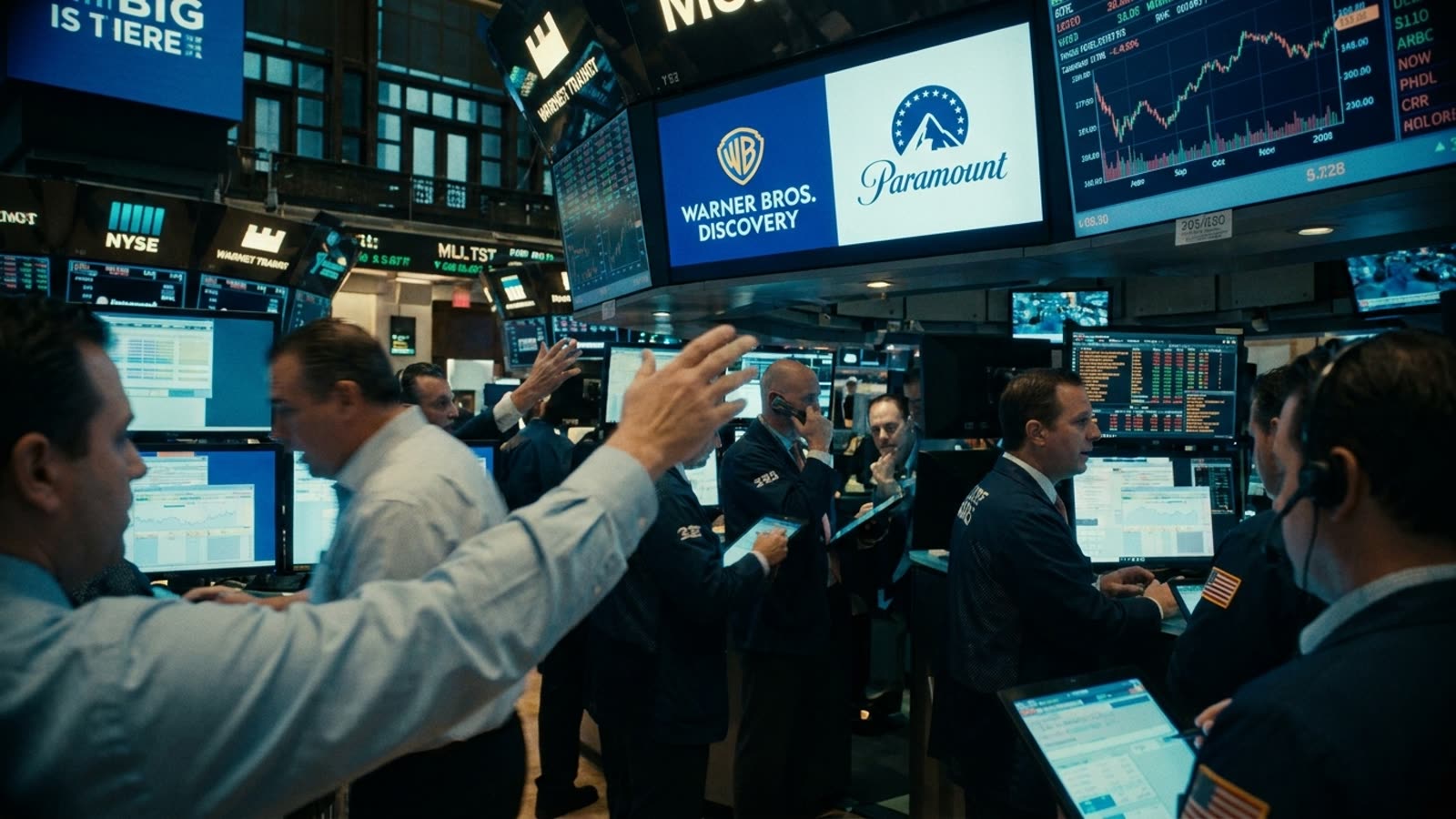
The Department of Justice's decision to approve the merger of Paramount Global and Warner Bros. Discovery represents either a pragmatic recognition of streaming economics or a capitulation to corporate consolidation, depending on whom you ask. What it definitively represents is a starting gun.
The combined entity would control CBS, CNN, HBO, Paramount Pictures, Warner Bros. studios, and a streaming portfolio spanning Paramount+ and Max—a concentration of content and distribution that would have been unthinkable before the streaming wars hollowed out both companies' balance sheets. The DOJ's antitrust division, under the Trump administration's appointees, concluded that the deal poses no substantial threat to competition, citing the dominance of Netflix, Amazon, and Apple as evidence that the legacy players need scale to survive.
The state-level wildcard
But federal approval is only half the battle. Attorneys general in California, New York, and at least three other states have signaled they may file independent antitrust challenges—a legal strategy that has gained traction since states successfully blocked or modified several tech mergers in the early 2020s. California's AG, in particular, has jurisdiction over both companies' substantial production operations and has publicly questioned whether the combination would reduce competition for creative talent and independent producers.
The legal theory is straightforward: even if national streaming competition remains robust, regional markets for content production, local broadcasting, and advertising could suffer meaningful harm. Whether courts buy that argument is another matter entirely.
What the deal actually means
Strip away the regulatory drama and the merger reflects a grim consensus among legacy media executives: the streaming transition has been a value-destruction event, not a growth story. Paramount and Warner Bros. Discovery have shed a combined $80 billion in market capitalization since their respective streaming pivots. The merger is less a bold strategic vision than a defensive crouch—two wounded giants hoping that combined scale might produce the profitability that neither achieved alone.
For consumers, the implications are murky. Consolidation typically means higher prices and fewer choices, but it might also mean better-funded content and fewer subscription services to juggle. The streaming landscape of 2026 already looks more like the cable bundle than the à la carte paradise that cord-cutters were promised.
Our take
The DOJ's approval tells us more about the current administration's antitrust philosophy than about the merger's actual merits. This is a deal born of weakness, not strength—two companies that failed to compete independently now hoping that bigness alone will save them. The state challenges are unlikely to succeed, but they serve a useful purpose: forcing the combined company to make public commitments about jobs, local news, and creative independence that it might otherwise quietly abandon. Whether those commitments survive the first round of cost-cutting is the question that matters.