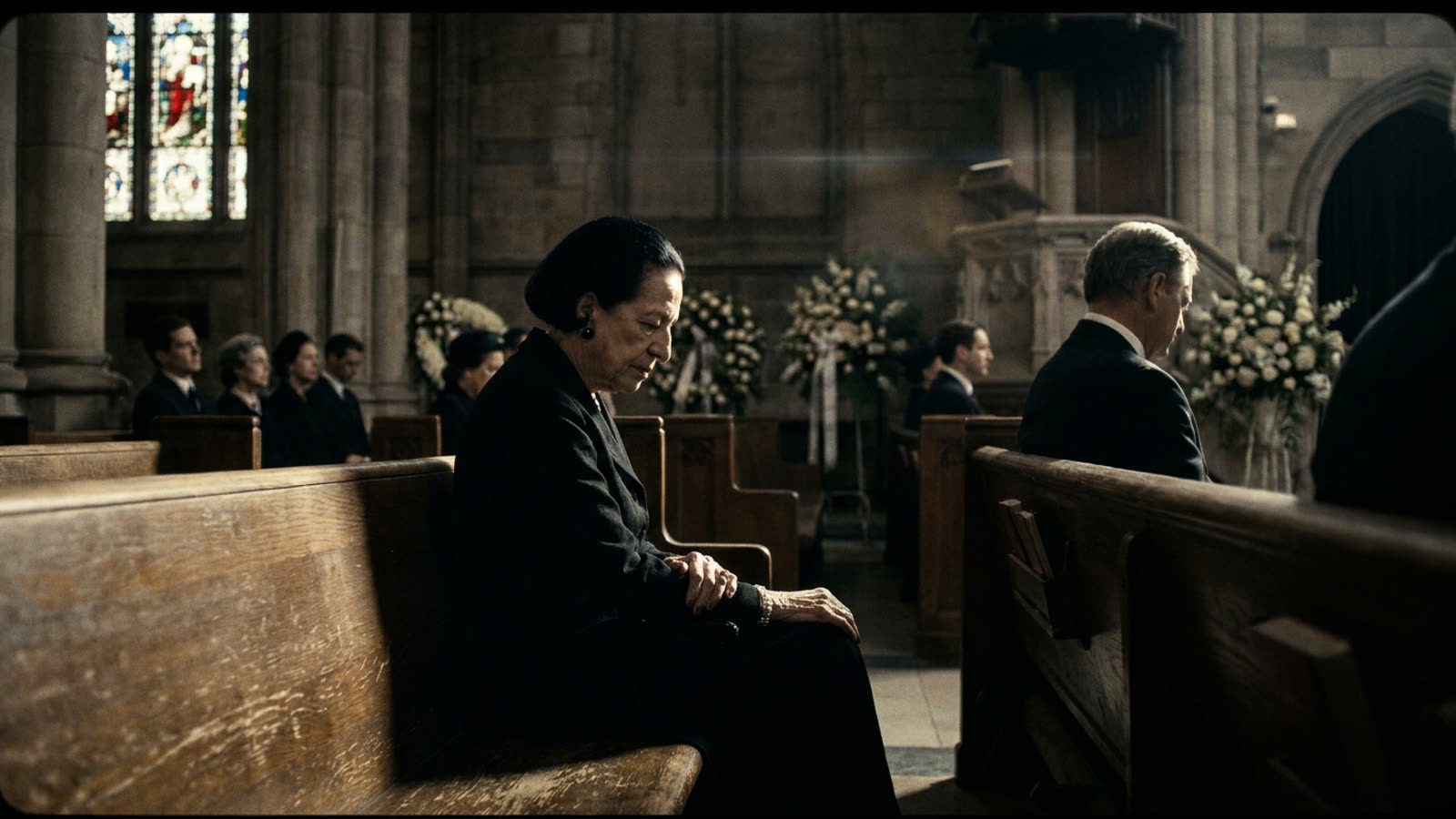
The fashion industry has spent decades searching for the next Diana Vreeland, which is rather like searching for the next Shakespeare — a category error dressed up as ambition. Vreeland didn't just edit magazines; she conjured entire aesthetic universes from cigarette smoke and conviction, transforming fashion journalism from society-page filler into cultural commentary. That no successor has emerged says less about the talent pool than about how completely she redefined the position.
Vreeland's genius was recognizing that fashion photography could be art, that clothing could tell stories, and that a magazine editor could be an auteur rather than a traffic cop. At Harper's Bazaar and later Vogue, she championed photographers like Richard Avedon and Irving Penn, understanding that their images would outlast any hemline. She sent models to exotic locations when the industry standard was studio work. She published the unconventionally beautiful when conventional beauty was all that sold.
The philosophy of excess
Her editorial philosophy can be summarized in a single Vreelandism: "Exaggeration is my only reality." This wasn't mere flamboyance. She grasped that fashion magazines sell aspiration, and aspiration requires distance from the ordinary. The mundane was her enemy. When she described the ideal red as "the red of a child's cap in a Vermeer painting," she wasn't being precious — she was teaching an industry to see.
The practical results were revolutionary. Under her direction, Vogue featured its first African American cover model. She championed Mick Jagger and the counterculture when such coverage seemed commercially suicidal. She understood that fashion reflects society before society understands itself, and she had the institutional power to act on that insight.
Why the throne remains empty
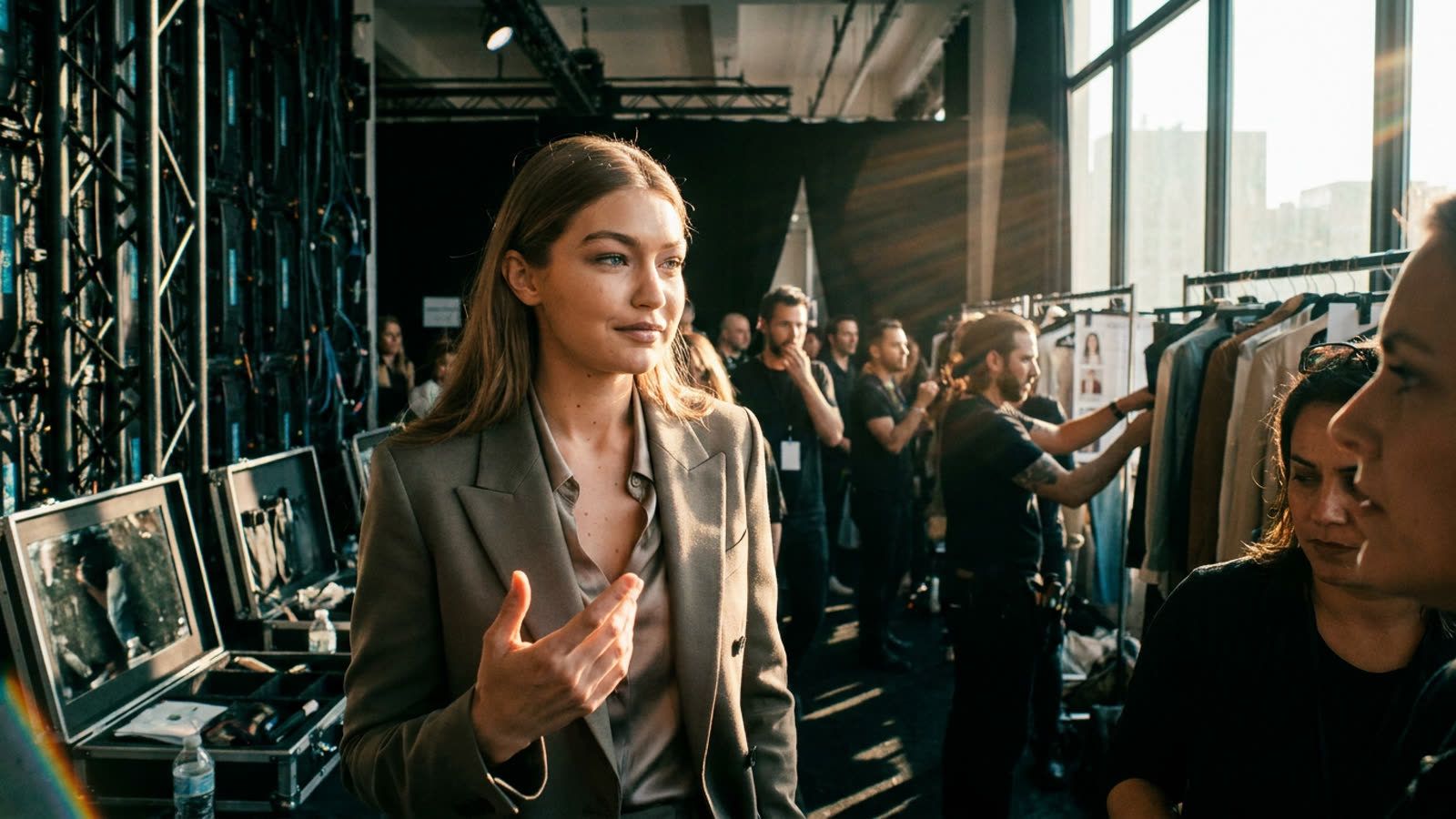
Contemporary fashion media operates under constraints Vreeland never faced. Advertisers exercise more influence. Social media democratizes taste-making but fragments authority. The economics of print have collapsed. Today's editors must be content strategists, brand ambassadors, and digital natives simultaneously. The role has been subdivided into a dozen lesser positions.
More fundamentally, Vreeland possessed a quality that cannot be hired or trained: absolute certainty about her own taste. She famously had her Park Avenue apartment lacquered entirely in red, including the ceiling. She wore the same style of black sweater for decades. This was not eccentricity but conviction — the same conviction that allowed her to declare what was beautiful and have an industry believe her.
Our take
The fashion industry's Vreeland nostalgia reveals its deeper anxiety: that the age of the singular tastemaker has passed, replaced by algorithms and influencers and the endless scroll. Perhaps this is democratization; perhaps it is merely fragmentation. What's certain is that Vreeland's approach — treating fashion as worthy of the same intellectual seriousness as literature or painting — elevated the entire enterprise. The industry she shaped still trades on the cultural capital she accumulated. It just hasn't figured out how to generate more.