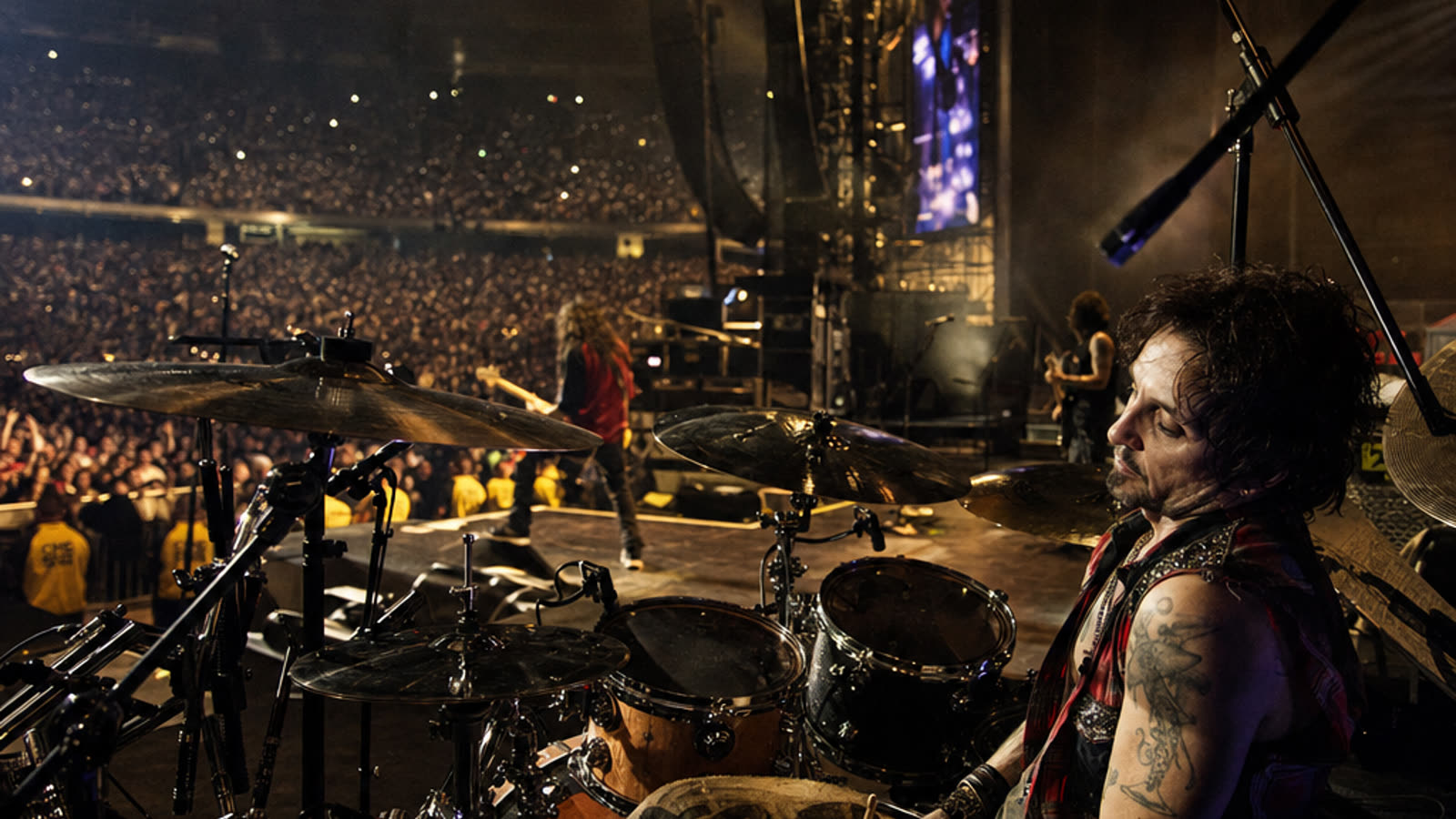
When Deen Castronovo was wheeled offstage during a Journey concert this week, the band did what arena rock acts have always done: they found another drummer and finished the set. The medical emergency—details of which remain undisclosed—transformed a nostalgia tour stop into an uncomfortable reminder that the classic rock industrial complex runs on increasingly fragile machinery.
Castronovo, 60, has been behind Journey's kit for the better part of three decades, his thunderous fills anchoring hits that predate most of the audience members who now pay premium prices to hear them. His hospitalization mid-song wasn't just a personal health crisis; it was a stress test for an entire business model built on the assumption that musicians in their sixties and seventies can deliver the same pyrotechnic performances they managed in their thirties.
The Economics of Never Stopping
Legacy touring has become the primary revenue stream for acts whose catalog sales have migrated to streaming's penny-per-play economics. Journey reportedly commands seven figures per show, and a typical summer run might include fifty dates across three months. The math is simple and merciless: canceled shows mean forfeited guarantees, disappointed promoters, and insurance complications that can haunt future bookings. So when a drummer goes down, you find another drummer.
This isn't callousness—it's contractual reality. Venues have their own staffing costs, concession agreements, and scheduling constraints. The audience has driven hours, booked hotels, hired babysitters. The show must go on because too much money has already been spent assuming it will.
Bodies as Business Assets
The physical demands of drumming at arena volume are genuinely athletic. A two-hour set can burn over a thousand calories; the cardiovascular stress rivals competitive sports. Now multiply that by decades of touring schedules that would exhaust performers half these musicians' ages. Add the cumulative damage of road life—irregular sleep, recycled airplane air, catering that prioritizes convenience over nutrition—and you have a population of performers whose bodies are both their primary business assets and their most significant liabilities.
Castronovo's emergency joins a growing list of onstage medical incidents among touring veterans. The industry's response has been to add more medical personnel to tour riders and negotiate better insurance terms, but the fundamental tension remains: audiences want to see the original members, and original members are mortal.
Our take
There's something almost Roman about watching septuagenarians perform "Don't Stop Believin'" to crowds who weren't alive when it charted, then expressing shock when one of them requires hospitalization. We've built a concert economy that treats aging musicians as animatronic attractions—expected to deliver identical performances night after night until they physically cannot. Castronovo's collapse isn't an aberration; it's the inevitable consequence of an industry that has decided legacy acts are too profitable to let rest. The show went on. It always does. Until one night it won't.