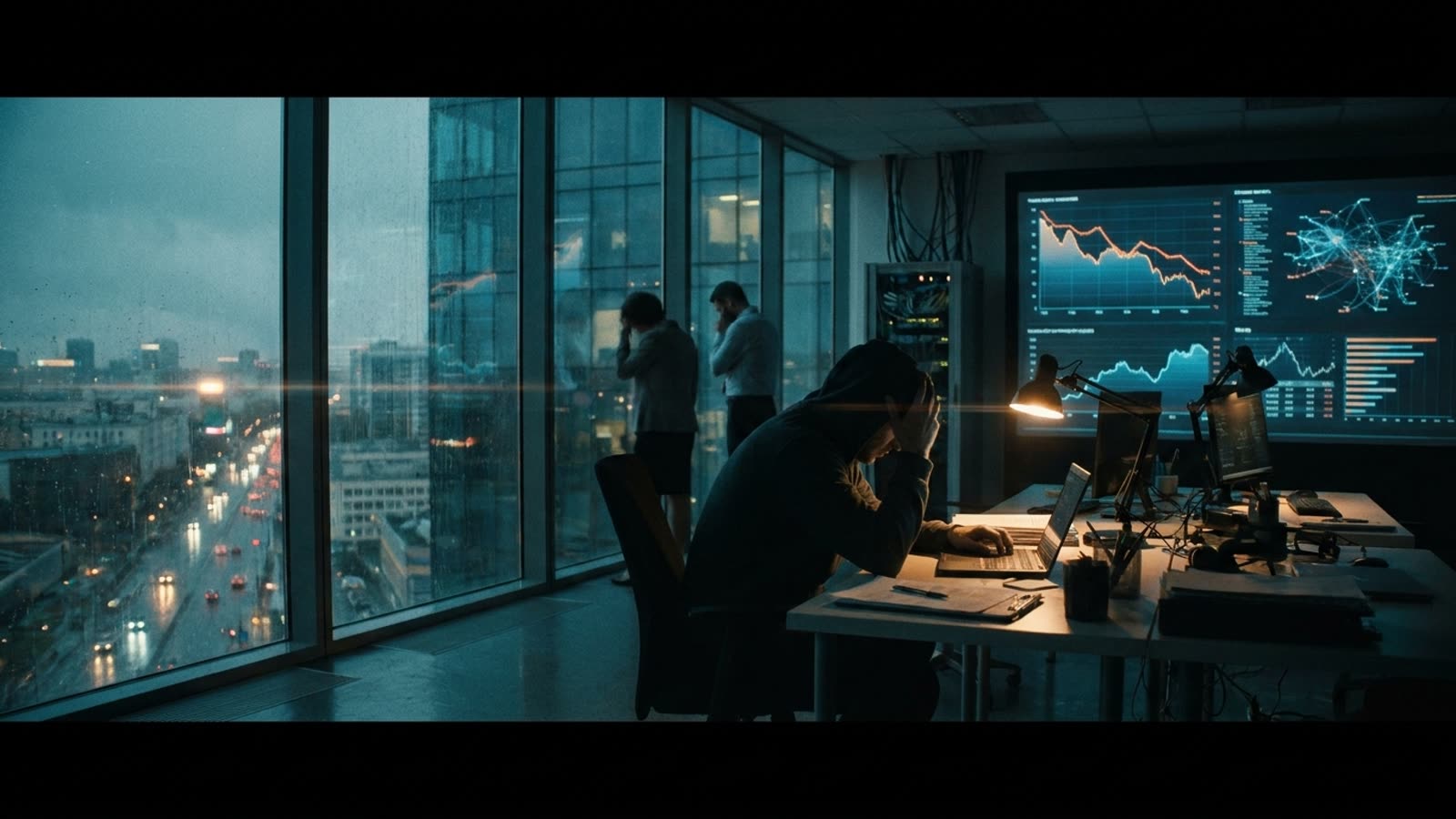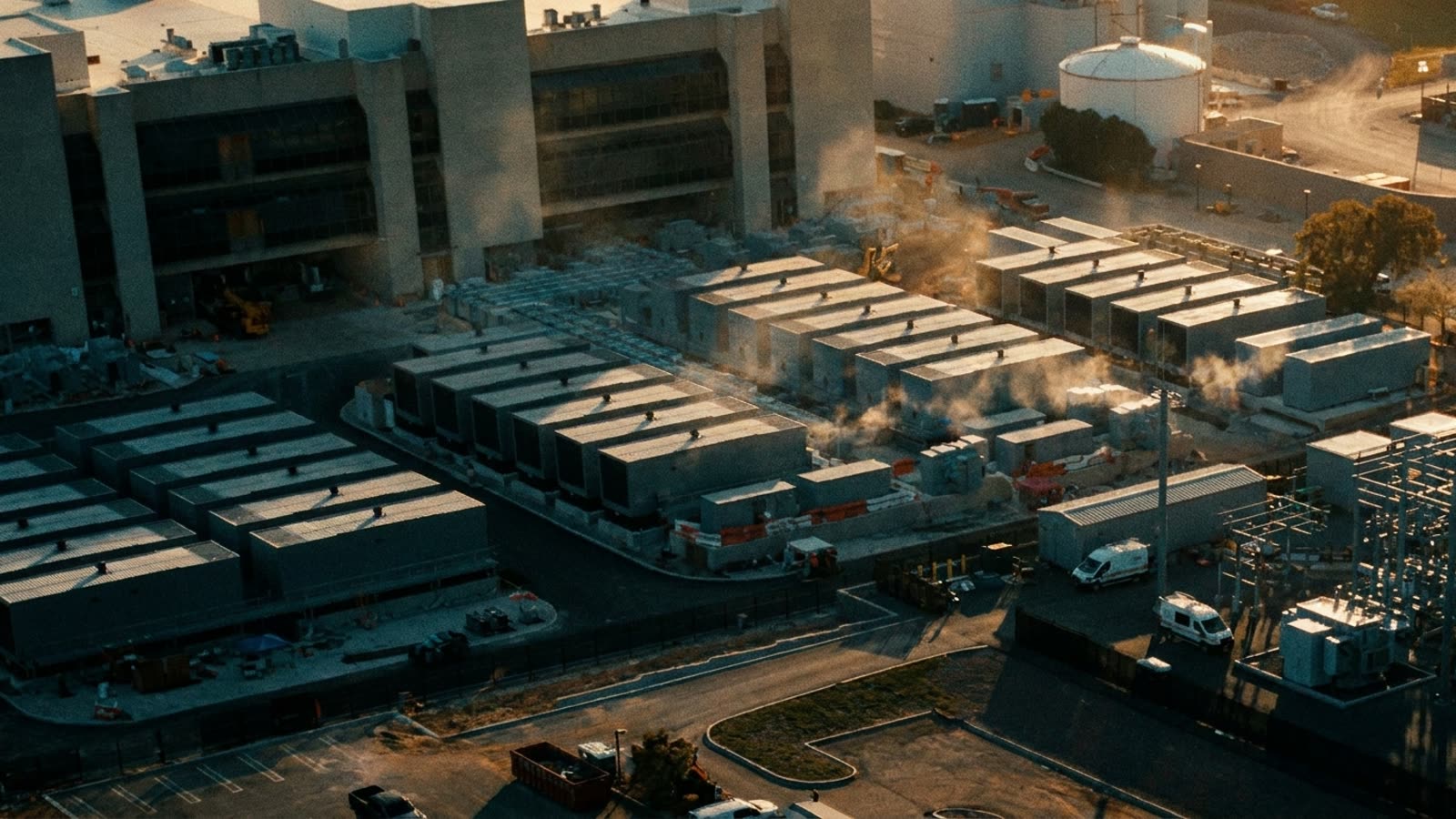
The most telling detail from a Brooklyn midterm party this weekend was not the policy debates or the candidate endorsements — it was the fact that every conversation, whether with a city council member or a housing activist, eventually circled back to data centers. In one of America's most politically engaged zip codes, the abstract promise of artificial intelligence has collided with the concrete reality of where all that compute actually lives.
This is the AI boom's political coming-of-age moment. For years, the technology industry sold machine learning as a weightless miracle, something that happened in "the cloud" — a metaphor designed to obscure the very physical infrastructure required to train and run large language models. Now, as hyperscalers race to build out capacity, communities from rural Virginia to urban New York are discovering that the cloud has a postal address, and it wants a lot of electricity.
The infrastructure becomes visible
Data centers have traditionally been invisible political actors, tucked into industrial zones or rural counties grateful for the tax revenue and the modest job creation. That calculus is shifting. The power demands of AI workloads have grown so dramatically that facilities are now competing with residential customers for grid capacity. In some regions, utilities are warning that new data center approvals could delay the retirement of coal plants or crowd out renewable energy projects meant to serve homes and businesses.
For Brooklyn progressives, this creates an uncomfortable tension. The same constituency that embraces AI tools for organizing, research, and creative work is now being asked to weigh the environmental and infrastructural costs of the systems they rely on. The cloud, it turns out, has a carbon footprint and a substation.
A new kind of NIMBY
What makes the Brooklyn conversation notable is that it represents a new strain of infrastructure skepticism — not the traditional NIMBY opposition to housing or transit, but a more technologically literate concern about the allocation of public resources. The questions being asked are sophisticated: Should data centers receive the same tax incentives as manufacturing? Should AI companies be required to purchase renewable energy credits, or actually build new clean generation? Who benefits when a neighborhood's grid capacity is allocated to a corporate tenant rather than electrified public transit?
These are not fringe concerns. They are appearing in local races across the country, from Virginia's Loudoun County — home to the densest concentration of data centers on Earth — to Oregon and Texas, where utility commissions are grappling with unprecedented demand forecasts.
Our take
The Brooklyn midterm party is a preview of a political realignment that the technology industry has not adequately prepared for. For a decade, Big Tech enjoyed a kind of infrastructural invisibility, its physical footprint hidden behind the pleasant abstraction of cloud services. That era is ending. As AI compute requirements continue to grow — and as the debt loads of data center operators swell into the tens of billions — the industry will increasingly find itself in direct competition with voters for scarce public goods like electricity, water, and land. The companies that figure out how to make that case to skeptical communities will thrive. The ones that assume the cloud metaphor still provides cover will discover that politics, unlike machine learning, does not scale.