The AI boom's most inconvenient truth is not about sentient machines or job displacement—it is about electricity, water, and the very American places being asked to supply both.
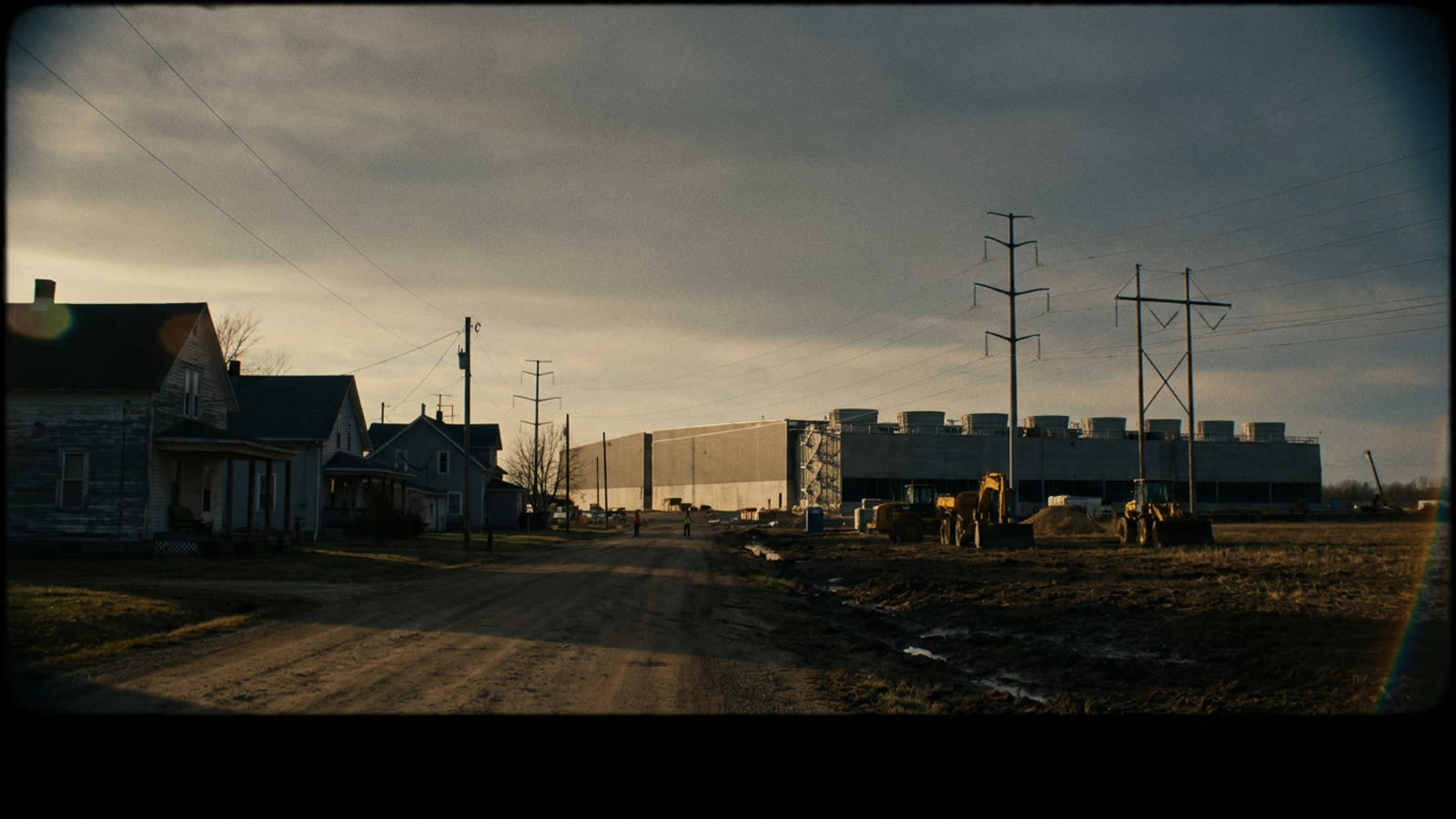
In Pennsylvania, residents packed a recent town hall to denounce the proliferation of data centers across the state's rural corridors. Their complaints were prosaic but urgent: industrial-scale noise, strained water tables, tax abatements that shift burdens onto homeowners, and the creeping realization that these facilities employ remarkably few people relative to their footprint. Meanwhile, in Nevada, Lake Tahoe communities have lost their energy supplier entirely, as utilities redirect capacity toward the insatiable server farms multiplying across the region.
The arithmetic of artificial intelligence
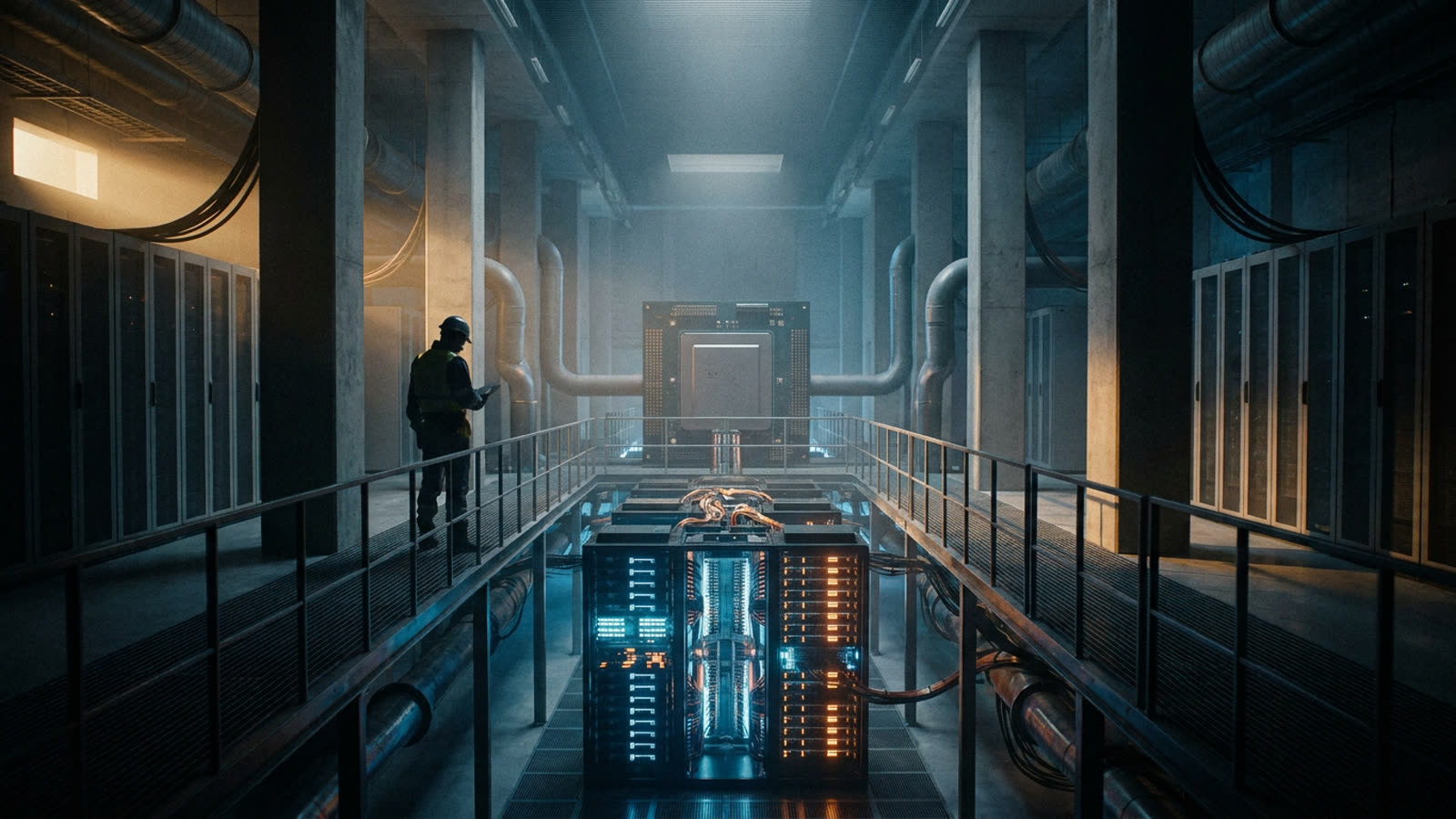
A single large data center can consume as much electricity as a small city. The industry's power demand is projected to more than double by the end of the decade, driven almost entirely by AI workloads that require exponentially more computation than traditional cloud services. Nvidia's latest GPUs—the engines of the generative AI era—draw substantially more power than their predecessors, and the models they train grow larger with each iteration.
This creates a zero-sum game in regions with constrained grids. When a hyperscaler secures a gigawatt of capacity, that power is no longer available for residential customers, hospitals, or existing manufacturers. In Lake Tahoe, the departure of the local energy provider means residents must now navigate a patchwork of alternatives, often at higher cost and lower reliability.
The political economy of server farms
Data centers have become the new stadium deals: governors and mayors compete to offer tax incentives, expedited permitting, and infrastructure subsidies, while the actual economic benefits remain contested. The facilities are capital-intensive but labor-light; a billion-dollar campus might employ a few hundred technicians. Local governments often discover that the promised property tax revenues evaporate through abatement clauses, while the costs of road maintenance, water treatment, and grid upgrades land on existing taxpayers.
Pennsylvania's town hall was notable for its bipartisan fury. Residents who disagree on nearly everything else found common cause in opposing facilities that consume resources without contributing proportionally to the community. Similar scenes have played out in Virginia, Arizona, and Oregon—anywhere the AI gold rush has arrived.
Our take
The AI industry's resource appetite is a genuine policy problem, not a NIMBY tantrum. If the technology is as transformative as its boosters claim, society will need to build the infrastructure to support it—but that infrastructure cannot be sited exclusively in communities with the least political power to resist. The current model, in which tech giants extract favorable terms from desperate localities while externalizing environmental and social costs, is neither sustainable nor equitable. Someone will have to pay the true price of artificial intelligence; the question is whether that burden will be distributed fairly or simply dumped on the places least able to refuse.