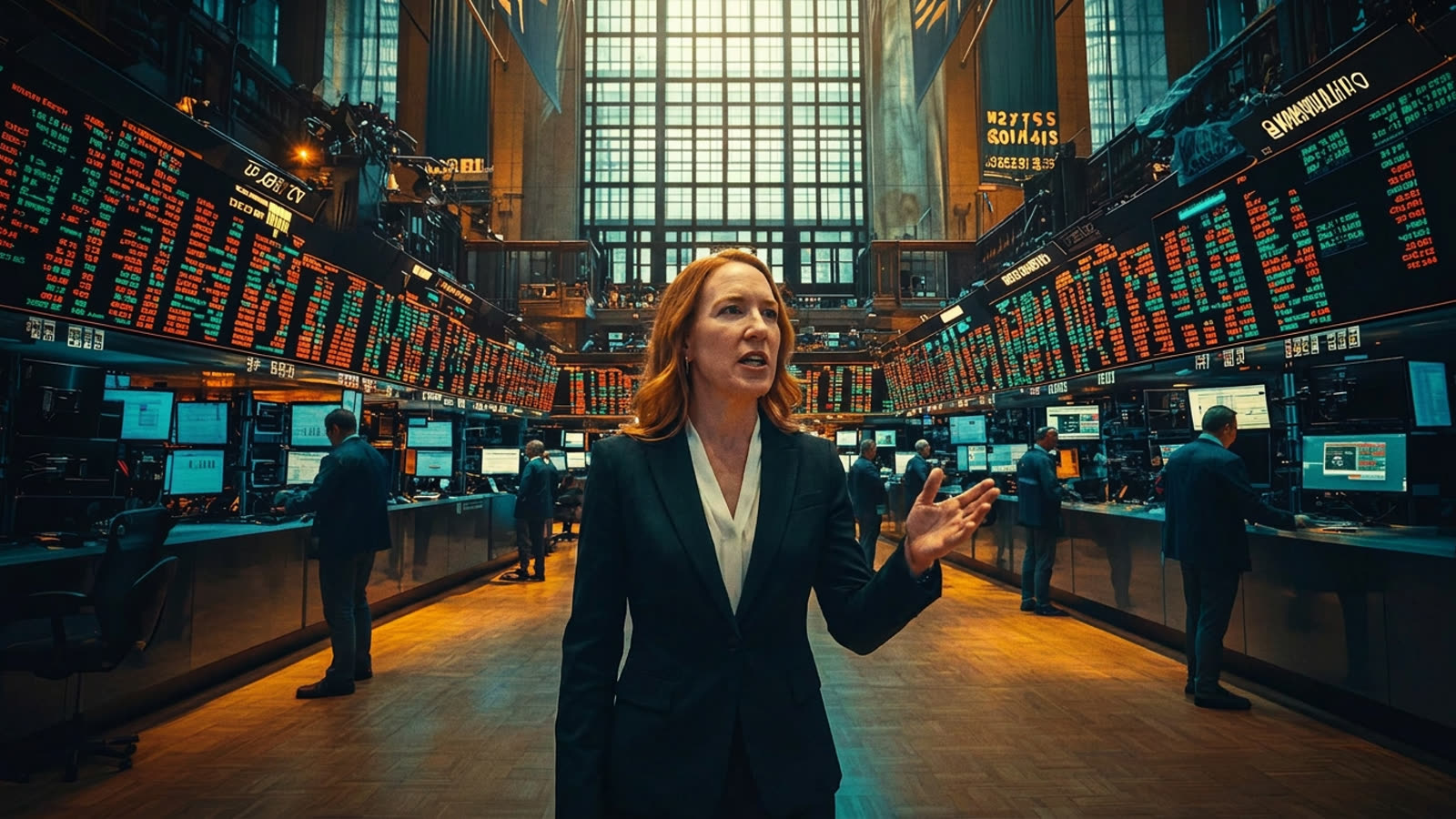
The crypto market has developed a peculiar split personality. Bitcoin hovers in a narrow band, Ethereum refuses to break out, and yet beneath the surface, a familiar frenzy is building in the altcoin trenches.
This is the quiet before something—though whether that something is a breakout or a breakdown remains the market's central question. What's clear is that traders, bored by majors that won't move, have rediscovered their appetite for risk in the long tail of the token universe.
The range that won't break
Bitcoin has spent the better part of May oscillating within a band so tight it would make a bond trader yawn. The world's largest cryptocurrency by market cap has failed to convincingly challenge recent highs, yet has also refused to capitulate toward the support levels that bears have been eyeing. Ethereum tells a similar story—stuck in a holding pattern that has frustrated both bulls expecting post-ETF momentum and shorts betting on macro headwinds.
The stasis isn't random. Macro uncertainty—from Federal Reserve policy ambiguity to geopolitical tensions affecting risk assets broadly—has kept institutional flows cautious. The spot Bitcoin ETFs that were supposed to provide endless bid support have seen inconsistent inflows, with some weeks showing net redemptions. Large holders appear content to wait.
Where the action actually is
Retail traders, however, are not content to wait. The rotation into altcoins has accelerated markedly, with mid-cap and small-cap tokens seeing volume spikes that dwarf their activity from earlier in the year. Memecoins, layer-2 tokens, and various DeFi plays have all caught bids, often with little fundamental justification beyond momentum and narrative.
This is a pattern crypto veterans recognize well: when majors consolidate, speculative capital doesn't sit idle—it hunts for volatility wherever it can find it. The result is a two-tier market where Bitcoin's implied volatility sits at multi-month lows while certain altcoins swing double digits in a single session.
The danger, of course, is that altcoin rallies built on rotation rather than conviction tend to unwind violently. When Bitcoin eventually picks a direction, the capital parked in smaller tokens will rush for the exits—or pile in further, depending on which way the wind blows.
Our take
This is the crypto market in waiting-room mode, and the waiting room has a casino attached. The majors' consolidation is probably healthy—a pause that digests earlier gains—but the altcoin rotation has the unmistakable scent of late-cycle speculation. Traders chasing 50% moves in tokens they can't explain are playing a game that works until it doesn't. When Bitcoin finally breaks its range, the altcoin reckoning will be swift. The smart money is watching the majors and letting the degens have their fun—for now.